Korva is a scroll of the internet’s best ideas.
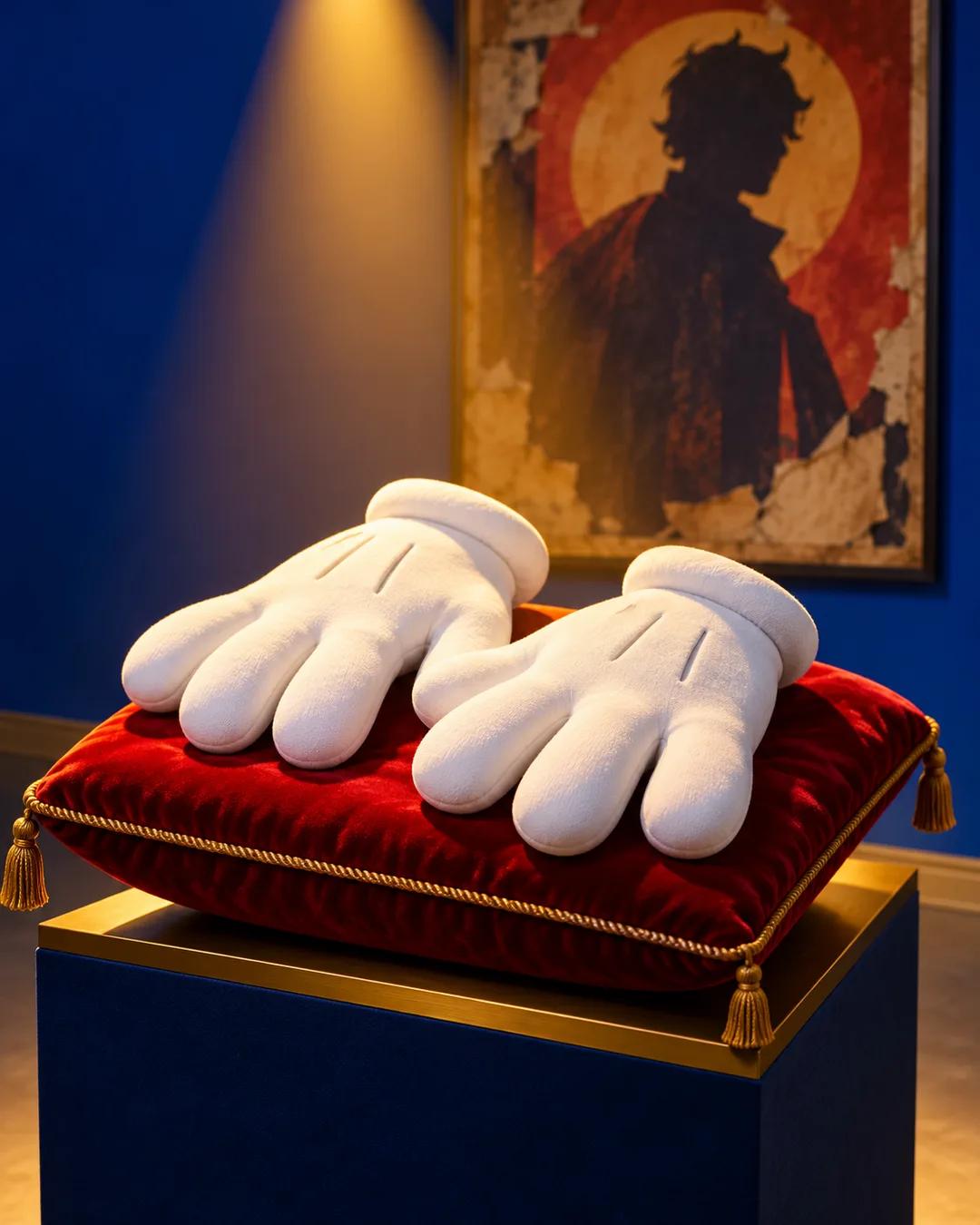
Mickey doesn't age or ask for pay

A live-action character is bound up in the actor who plays it. A studio ends up paying its stars so much that a large part of the margin goes to the person who helped create the character. Mickey works for free, he is always available, and he does not age.
Live action also belongs to its moment. Davy Crockett was a heartthrob obsession in 1955 and great IP for the moment, but at some point watching him became completely uninteresting. James Bond has survived only through six or seven actors and repeated reboots. Live-action IP, with very few exceptions, rarely holds an audience across decades and generations the way animation does, and Mickey can always exist in the present.
Why do live-action franchises recast heroes?
Actors age, and a character tied to one face has to change faces eventually. Six actors played James Bond in the Eon film series between 1962 and 2021. Each change required a new audience pitch. A drawn character such as Mickey can keep the same look indefinitely.
Who voiced Mickey for so long?
Walt himself voiced Mickey from 1928 until 1947. Jimmy MacDonald, a Disney sound-effects artist, took over the role. Voice actors have followed since. The look of the character stayed the same through each change.
How did stars start earning a share of revenue?
In the studio era, actors worked under multi-year contracts at fixed salaries. In 1950 James Stewart negotiated a percentage of the profits for Winchester '73 in place of a large salary. The deal became a landmark for star compensation. Percentages of revenue grew common for top stars in the following decades.
More from Acquired