Korva is a scroll of the internet’s best ideas.
Mickey's first cartoons found no buyer

A bet on sound
In the summer of 1928, every major distributor passed on the silent Mickey shorts, which included Plane Crazy. One of the crew remembered that a cartoon had screened alongside The Jazz Singer, the first popular movie with synchronized dialogue and sound. Walt put the two ideas together.
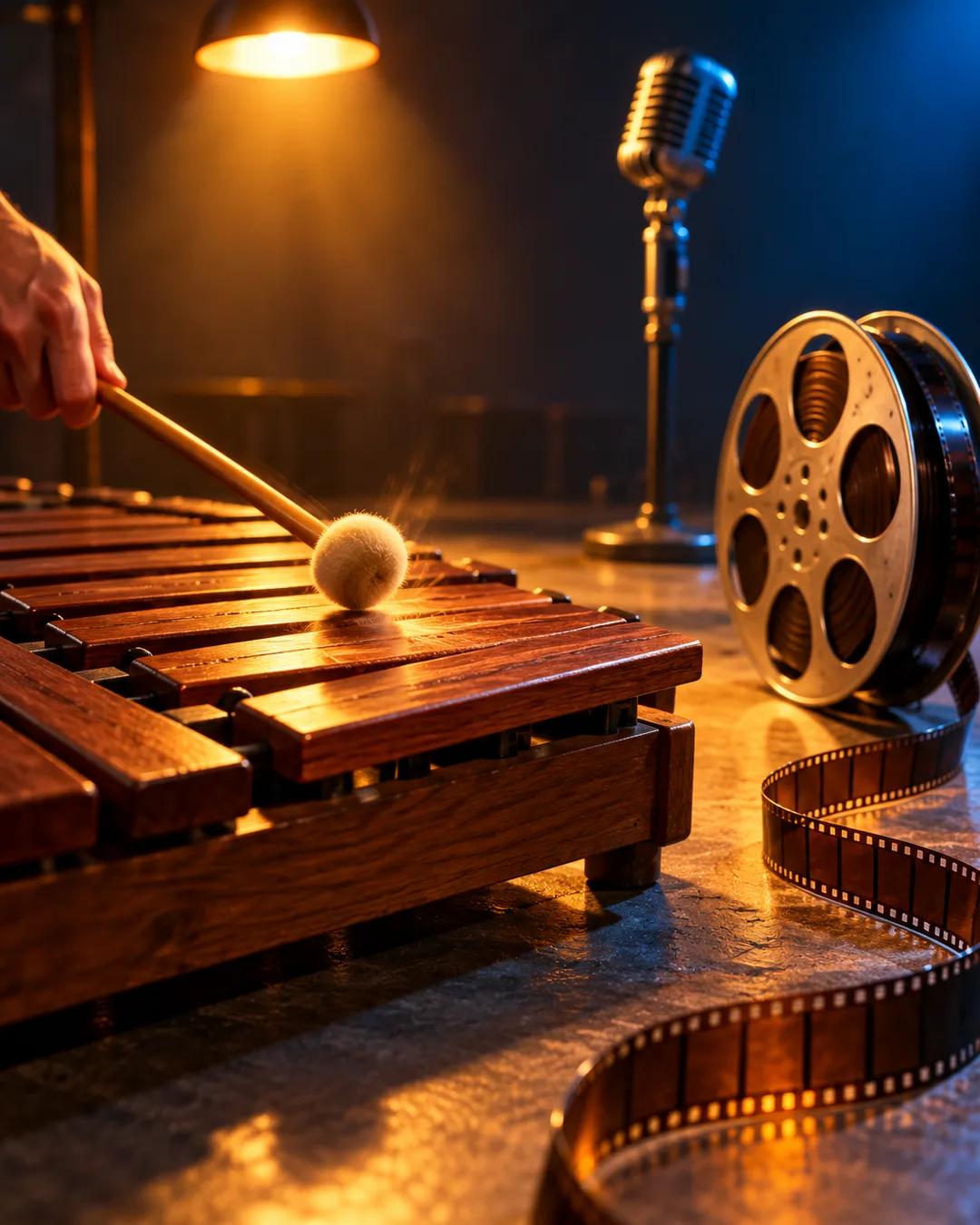
Cartoons with sound already existed, but the music was only loosely attached. Walt wanted the sound to feel as if it came from the action, so that when Mickey bops into something, a xylophone hits a note on the same downbeat.
Walt lined up a recording system from Pat Powers, and the crew animated a test and screened it for their wives and girlfriends. Walt later wrote that he had never seen such a reaction from an audience in his life.
A paid premiere
Making the full cartoon was a struggle. Walt traveled to New York over and over, bet every dollar he had, and invented new processes as he went, including a bouncing ball animated on screen to keep an orchestra in time. The conductor would not use it, and the orchestra fell out of sync with the screen.
New York's distributors wanted a test first, so Walt went around them and paid the manager of the Colony Theater $1,000 to run the cartoon before its features. Steamboat Willie premiered there on November 18, 1928, before a film called Gang War. Critics and audiences loved it.
How does sound on film stay synchronized?
Sound-on-film systems print the audio as a track alongside the picture, so the projector reads both from the same strip. That avoids the drift of sound-on-disc systems, where a record could fall out of step with the film. The recording system Pat Powers supplied to Disney, called Cinephone, was a sound-on-film design. Sound film settled at 24 frames per second in the late 1920s.
Why did The Jazz Singer change movies?
Warner Bros. released it in October 1927 with synchronized songs and a few lines of spoken dialogue. It used Vitaphone, which played sound from discs. Its strong box office pushed the other studios to convert to sound. Within a few years silent features were vanishing from major theaters.
How does a bouncing ball keep an orchestra in time?
Musicians need a visual beat, and a ball bouncing on screen shows each beat at the exact moment it should be played. Later cartoon scoring used click tracks, series of audible clicks spaced to match a chosen tempo. At 24 frames per second, a click every 12 frames gives a steady 120 beats per minute. Click tracks became standard in film scoring.
More from Acquired