Korva is a scroll of the internet’s best ideas.
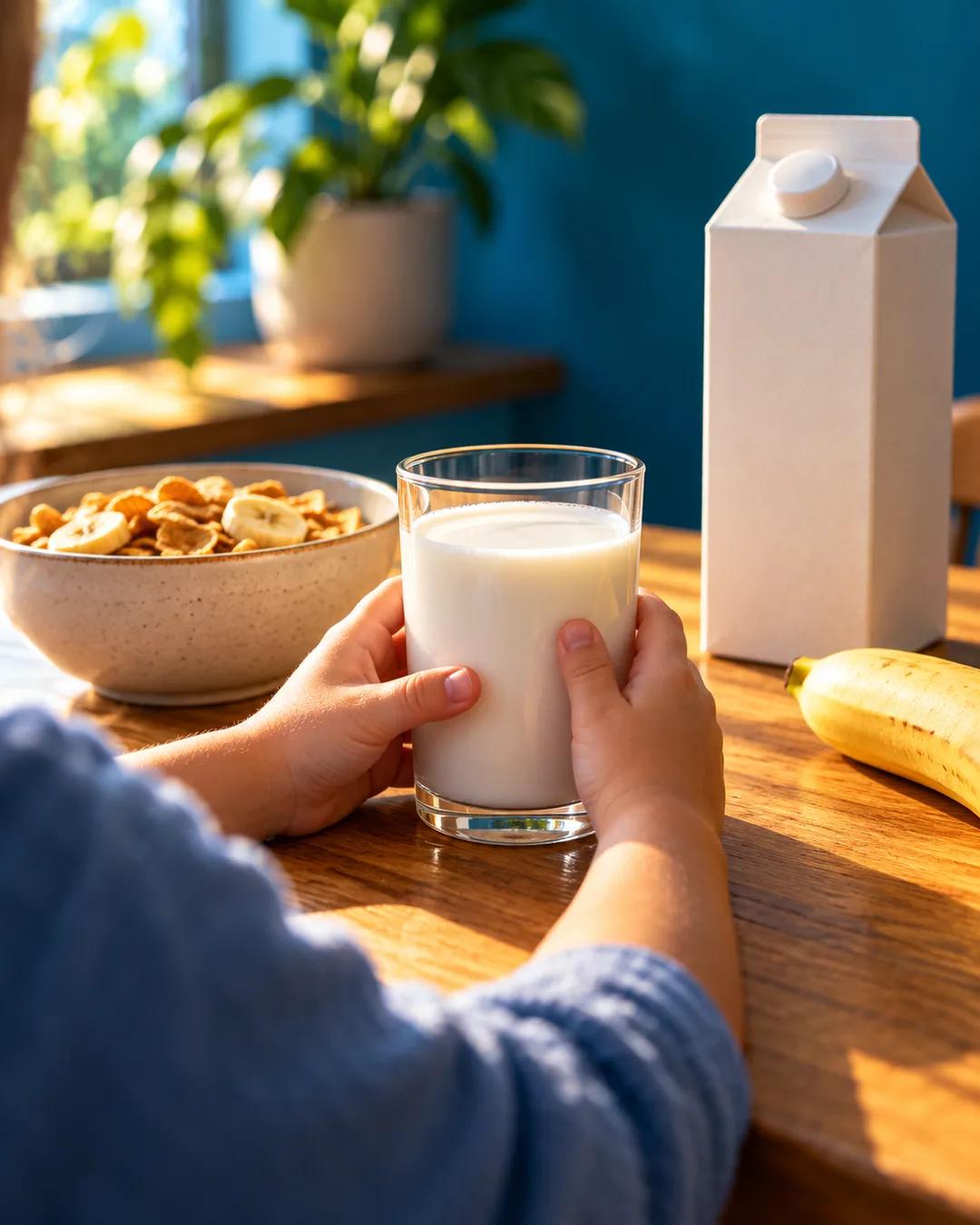
Milk matters most for kids
Milk and children
Cow's milk gives children protein, calcium, vitamin D, magnesium, potassium, and vitamin A, and it is significantly associated with height, weight, and bone mineral density in kids who drink it. For adults the benefits are more limited and harder to separate from other diet and lifestyle factors.
What plant milks offer
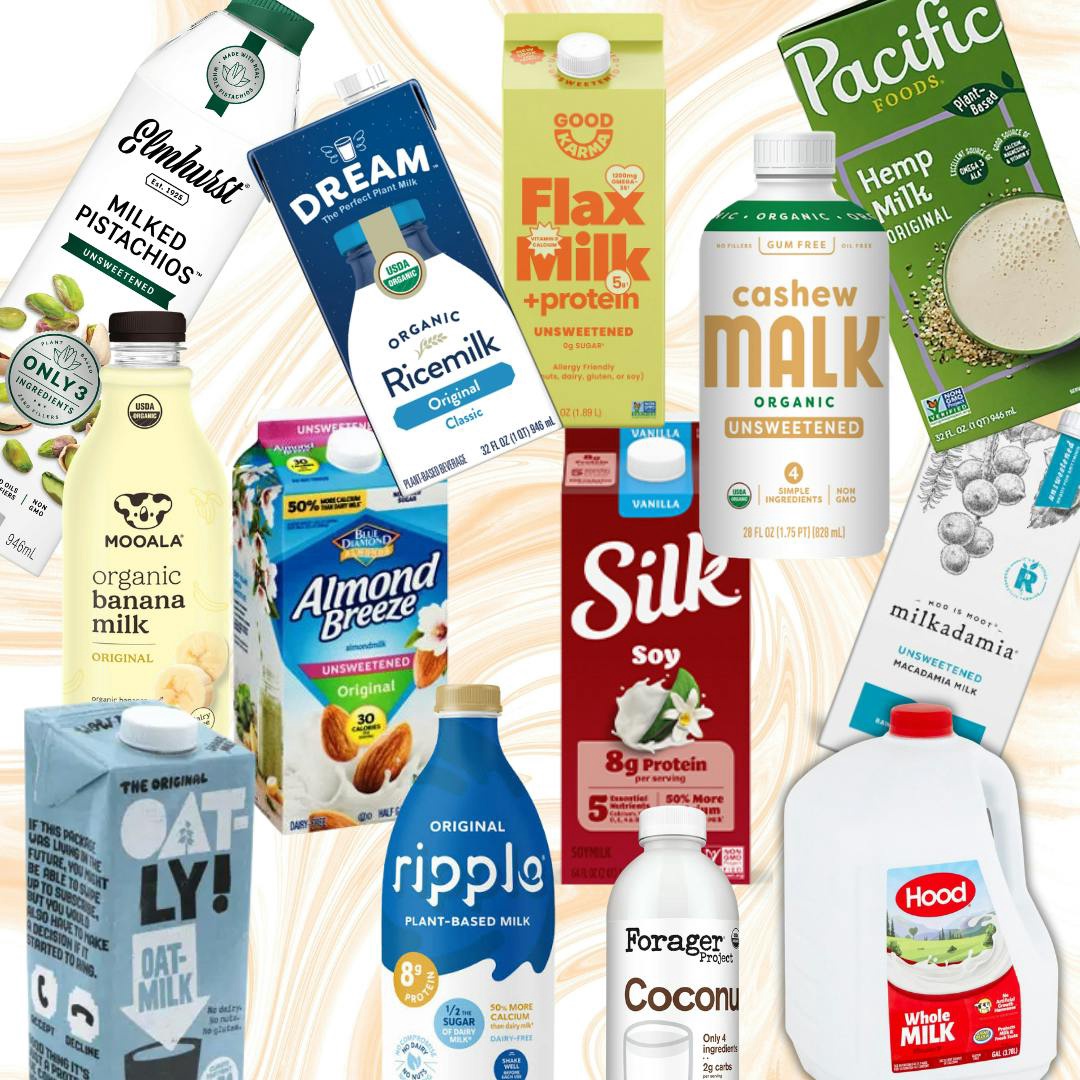
Plant milks vary with their base ingredient. Legume milks like soy and pea are nutritionally similar to a bean, with more protein, and protein that is more aligned with milk's. Nut and seed milks often have vitamin E and less protein. Oat milk can have good amounts of soluble fiber, which Americans generally do not eat enough of.
Fortification
Plant milks generally fall short of dairy's calcium, vitamin B12, and vitamin B6, so those are added through fortification. The calcium added is generally something the body can use, while added vitamin D is more complicated, so a fortified milk may not deliver everything on its label.
An adult who already gets enough protein and drinks milk for the flavor or the creaminess in coffee is probably not affected much either way.
Why can added vitamin D fall short?
Plant milks are fortified with vitamin D in one of two forms, D2 from yeast and mushrooms or D3 from lanolin or lichen. A 2012 meta-analysis in the American Journal of Clinical Nutrition by Tripkovic and colleagues found D3 raised blood levels of the vitamin more than D2 did. Vitamin D also dissolves in fat, so how well it mixes into a low-fat drink can vary. Measured amounts in fortified foods sometimes differ from the label.
Why does childhood calcium matter so much?
Bones build up mineral throughout childhood and the teenage years, and the amount reached by early adulthood is called peak bone mass. The US National Institutes of Health reports that about 90 percent of peak bone mass is acquired by about age 18 in girls and age 20 in boys.
Why do plant milks need added B12?
Neither plants nor animals make vitamin B12. Bacteria make it, and cows get it from bacteria in their gut and from cobalt in their feed. Plant milks are fortified with B12 that is produced by bacterial fermentation in a factory.