Korva is a scroll of the internet’s best ideas.
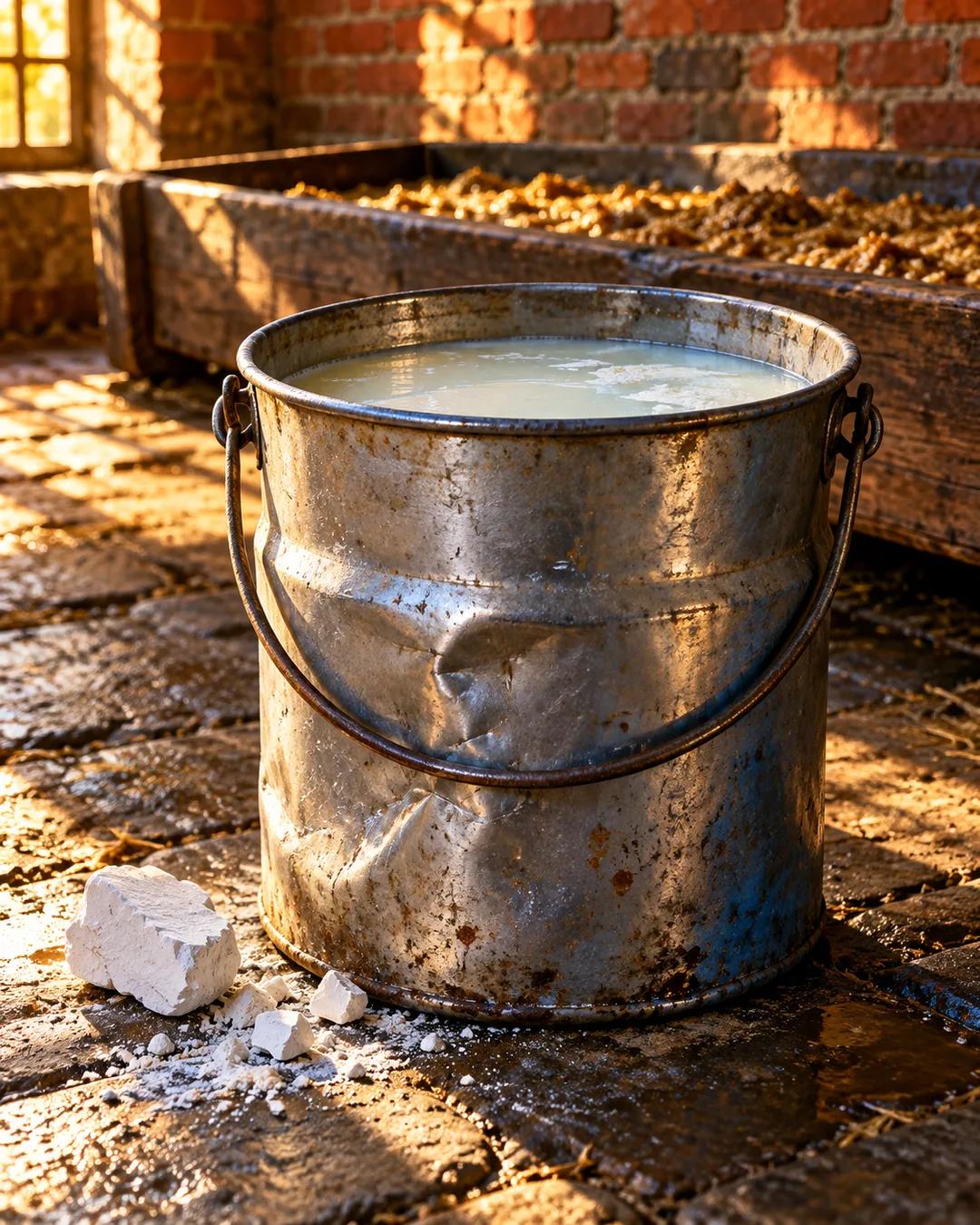
Milk thickened with chalk
Swill milk in the cities
Cities grew fast in the 1800s, and the number of babies who needed milk grew with them. The urban cow population boomed to match. The cows spent their lives chained in one spot, eating nothing but gruel from the breweries, and they produced very unhealthy milk.
This was known as swill milk. The dairy owners watered it down with untreated water full of harmful bacteria and viruses, then added chalk to make it look thicker and creamier. Many babies who drank it died.
Milk by rail
When railways arrived, the urban dairies were replaced by milk brought in from farms in the countryside. That milk traveled long distances with almost no refrigeration, so any bacteria in it had plenty of time to multiply on the way. Cows were also catching tuberculosis, and milk from a tubercular cow could pass it to anyone who drank it.
A third to a half of the deaths in New York and Boston in the mid-19th century were attributed to drinking bad milk. It took a while to link the sickness to milk, since milk had been lauded for decades as a perfect food and many people kept giving it to their kids. By the end of the 1800s, milk was clearly lethal and still believed to be essential, so New York City held a special conference on milk problems to work out what to do.
What did swill feeding do to the cows?
Brewery and distillery mash was a hot, cheap waste product that dairies could get for almost nothing. Cows fed on little else often grew sick, developed sores, and lost teeth, and many became too weak to stand. An 1858 exposé in Frank Leslie's Illustrated Newspaper pushed the scandal into public view in New York. The state eventually outlawed the practice in the 1860s.
How does milk pass on tuberculosis?
The bacterium Mycobacterium bovis infects cattle and can reach people through raw milk, where it often caused disease in the glands, bones, and joints of children. Farmers and inspectors learned to find infected animals with the tuberculin skin test, which became widespread in the early 1900s. Sick animals were removed from herds. The United States launched a national program to eradicate bovine tuberculosis in 1917.
How did heating make milk safe?
Louis Pasteur developed the heating process in the 1860s to stop wine and beer from spoiling, and it was applied to milk later. Philanthropist Nathan Straus opened depots in New York in 1893 that gave out pasteurized milk to poor families. Heat kills the bacteria that cause diseases such as typhoid and tuberculosis while leaving the milk drinkable. Chicago became one of the first large American cities to require pasteurization, in 1908.
More from Gastropod