Korva is a scroll of the internet’s best ideas.
Millions of kids coded together

Partovi's startup playbook
Partovi, a former Microsoft executive and early investor in startups like Facebook and Uber, had already launched Code.org with his twin brother and a viral YouTube video starring will.i.am, NBA star Chris Bosh, and Mark Zuckerberg. Next he applied startup tools like audience generation and viral marketing to education.
The Hour of Code
The Hour of Code arrived during Computer Science Education Week with the goal of getting millions of kids to code at the same time. Microsoft, Google, and Apple backed it, and many of the companies held tutorials in their stores. Schools across the world held events, and it turned into a coding holiday.
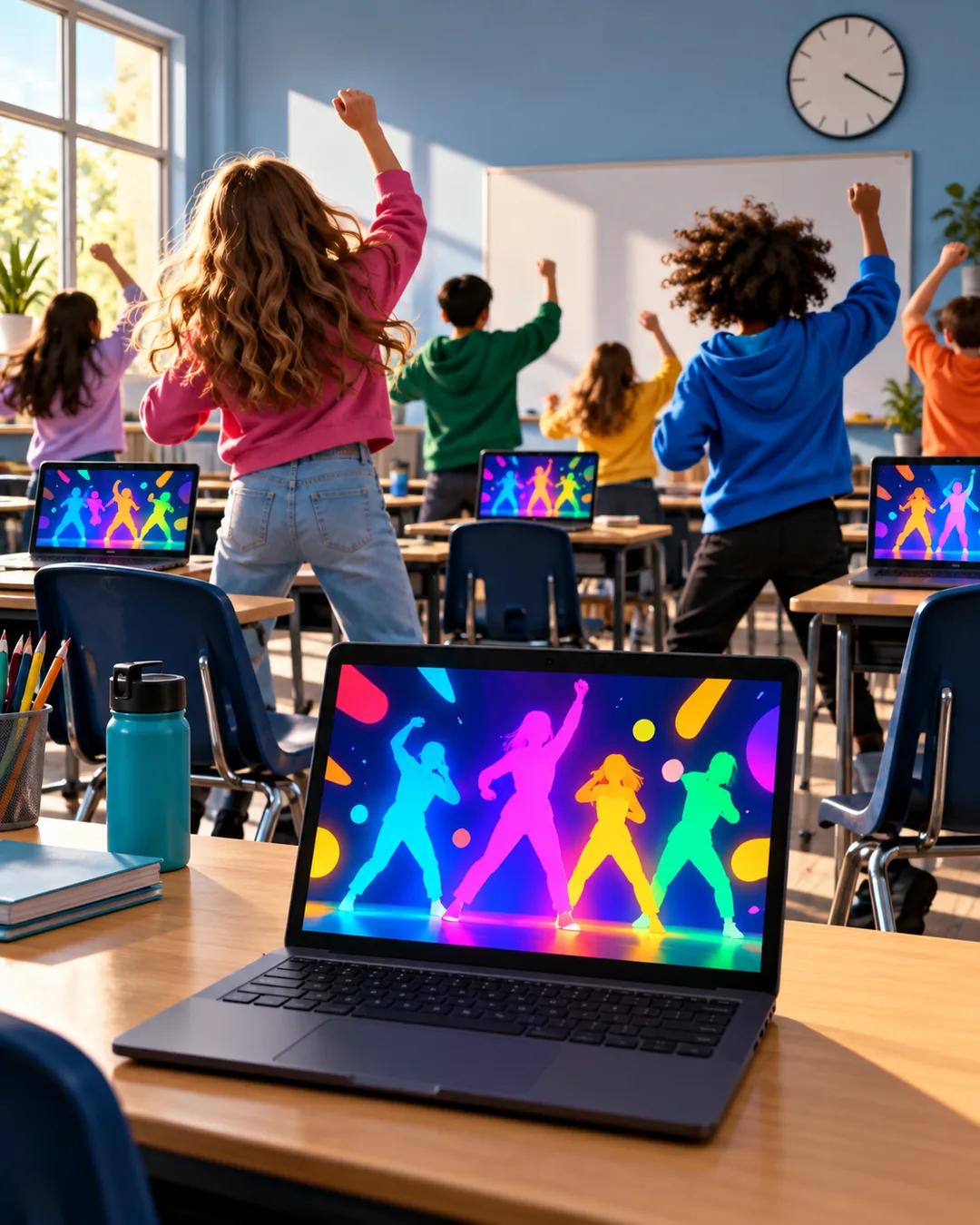
The lessons were short and playful. Kids coded a droid through a maze or made Elsa from Frozen skate around the ice, and one of the most popular, Dance Party, let them build their own animated music video. In classrooms running it, kids get out of their seats to dance to the videos they made, then want to make another.
Who it was for
The pitch was that an hour of fun coding would demystify the subject for kids who did not fit the Mark Zuckerberg stereotype of a computer scientist: girls, kids from low-income families, and Black and brown students who never saw themselves in computing. Code.org then built semester and year-long courses, trained teachers, and lobbied state by state for funding and requirements. About a dozen states passed laws making computer science a graduation requirement.
How can an hour of coding work?
Hour of Code lessons mostly use block-based programming, where commands are puzzle-piece shapes that snap together on screen. Because the pieces only fit in valid ways, a beginner cannot make a typo or a syntax error. The approach grew out of Scratch, built at the MIT Media Lab and released in 2007. Code.org's own lesson tools are built on Blockly, an open-source block editor Google released in 2012.
Why did computing lose so many women?
Researchers including Jane Margolis and Allan Fisher argued in the 2002 book Unlocking the Clubhouse that home computers were marketed to boys in the 1980s, which gave them a head start before college. According to the National Center for Education Statistics, women earned about 37 percent of U.S. computer science bachelor's degrees in 1984. Their share then fell for two decades, reaching under 20 percent by the early 2010s.
More from The Vergecast