Korva is a scroll of the internet’s best ideas.
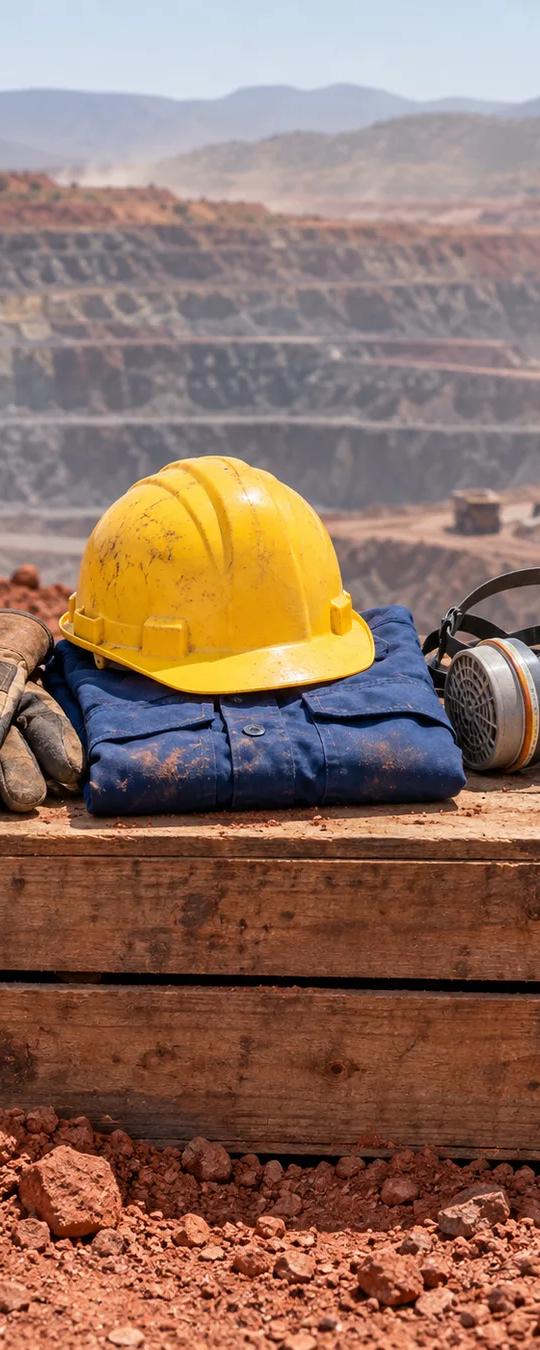
Mining damage outlives the mining

Cobalt can be recycled, though under current technology it is hard to reach the grade EV batteries need, and phones are easier. Suppose recycling covered every need tomorrow and no more cobalt came out of the ground. The companies that bought from the Congo for three decades would still have caused a human rights and environmental catastrophe, and that carries an obligation to repair it. Leaving with the loot and carrying on is what Europeans did in colonial times, scouring the world for labor and resources and then moving on.
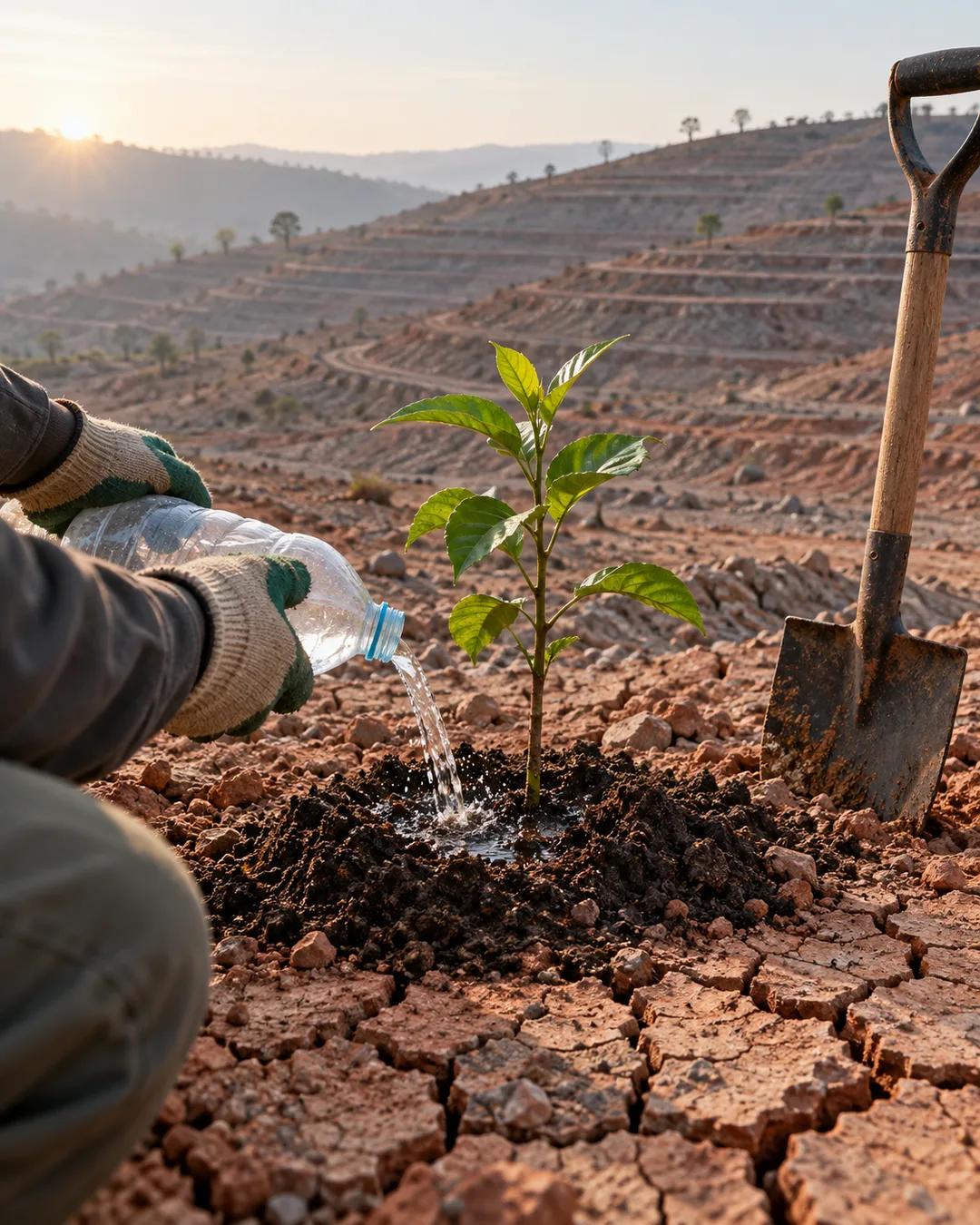
Repair means cleaning the water, planting trees, and building hospitals and schools. It also means new work, since mining was the only job many of these people had, and it means making the land arable again, because contaminated water and soil mean nothing grows there now. The same holds if lithium iron phosphate or solid-state batteries replace cobalt: switching materials does not undo what the old demand did.
Why is recycling cobalt for EVs hard?
Battery packs come in many chemistries, and cells are built to stay sealed for a decade or more, so taking them apart safely takes effort. Recyclers usually shred the cells into a powder called black mass. Black mass holds cobalt, nickel, lithium, and manganese mixed together. Refiners separate those metals with chemical processes before the cobalt can be used again in a battery.
How do lithium iron phosphate batteries avoid cobalt?
Their cathode is made of iron and phosphate instead of cobalt and nickel. Iron and phosphate are cheap and plentiful, and the chemistry is stable at high temperatures. The trade-off is lower energy density, so a cell stores less energy for its weight. Tesla began using these cells in standard-range cars in 2021.
How does land recover after mining?
Reclamation starts with neutralizing acid, capping tailings with clay and topsoil, and planting species that tolerate contaminated ground. Recovery of mined land often takes years to decades. Katanga's copper hills host metallophyte plants, such as the so-called copper flower, that grow on soils toxic to most vegetation. Some of those species are found nowhere else on Earth.
More from The Joe Rogan Experience