Korva is a scroll of the internet’s best ideas.
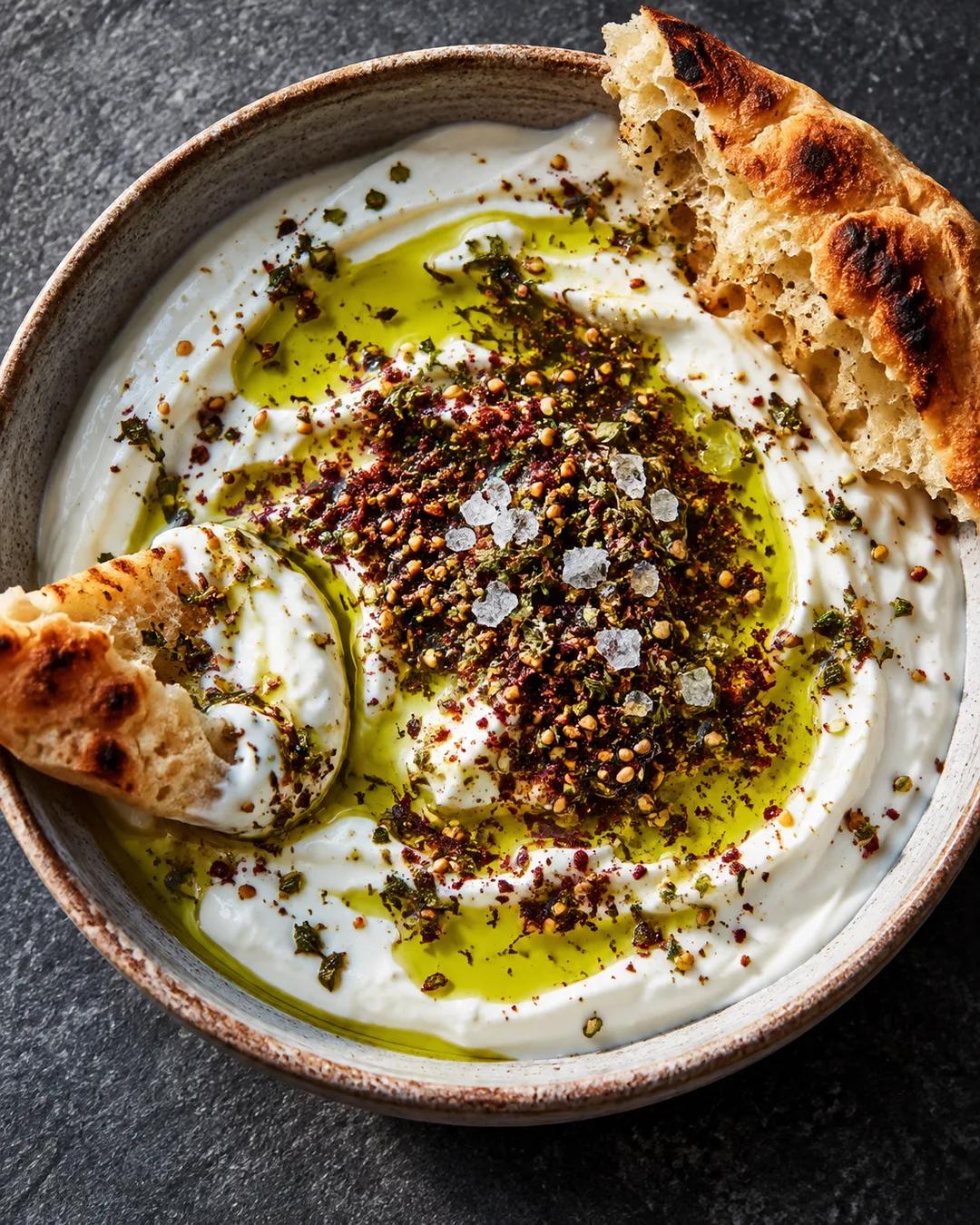
Mix Bulgarian and Greek yogurt
Better together
Bulgarian yogurt on its own is very tangy and tart, and the Bulgarian word for yogurt translates as sour milk. The first bite or two puckers the lips like a bite into a lemon wedge, and the whole palate reverberates. After a few tastes, a whole tub starts to seem like a lot.
Mixed with Greek yogurt, it keeps the tartness and the lightness and gains the richness. A hefty sprinkle of flaky salt, good olive oil, and za'atar goes on top, with bread for dipping.
The reverse trick
The same trick works in reverse. With only Greek yogurt on hand, stirring in a little water makes the texture more liquid, and a squeeze of lemon makes it more sour, which turns Greek yogurt into something much closer to Bulgarian yogurt.
Why does lemon juice make yogurt more sour?
Sour taste cells detect the hydrogen ions that acids release. Yogurt already carries lactic acid from fermentation, and lemon juice adds citric acid on top of it. More acid means more hydrogen ions and a sharper taste. Citric acid makes up roughly 5 to 6 percent of lemon juice by weight.
Why is za'atar a classic match for strained yogurt?
In the Levant, labneh is spread on a plate, drizzled with olive oil, sprinkled with za'atar, and scooped up with pita. Za'atar is a blend that typically contains dried thyme or a related wild herb, sumac, and toasted sesame seeds. The herbs and sesame bring bitterness and nuttiness to rich yogurt. Sumac adds a sourness of its own, from malic acid.
More from The Sporkful