Korva is a scroll of the internet’s best ideas.
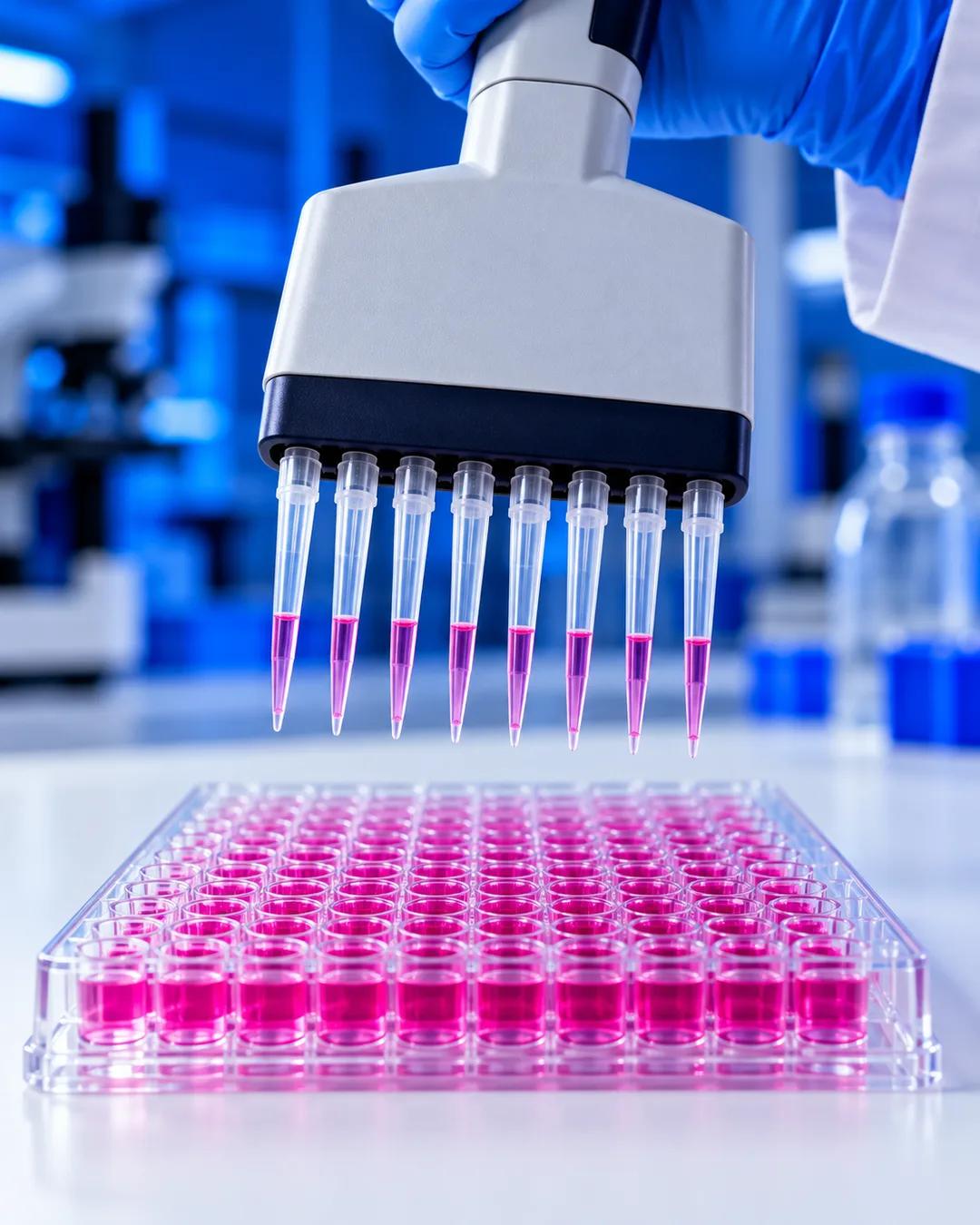
Models can make money in biology

The Old Wisdom
That wisdom shaped the whole business. Traditional biotech firms find principal investigators who own around 40% of the company, then assemble their work into drug candidates, and most of it doesn't work. Money comes from deals that pay so-called biobucks as a candidate advances. Software investors took all of this to mean you can't make money selling software to pharma or building platform businesses there.
Chai Discovery
Chai Discovery is the test case. Conviction was the first check in the company, and Chai now works with a number of top ten pharma companies in significant ways to speed up parts of the R&D process. The evidence that moved the view came from the customers: the scientists who use the tools know whether they are valuable, and product-led tools are being adopted by end users in the space.
What Comes Next
The light bulb moment for the industry comes when a new indication or a new drug clearly had its trajectory changed by AI. Regulation and the speed of the physical world still have to be solved, and safety can't be overcome easily. Pharma and healthcare overall have been quick to decide that this will make a difference to their business, and a massive acceleration in cures is the expected result.
Why do pharma deals pay biobucks?
Biobucks are milestone payments written into licensing deals, released only as a drug candidate clears stages such as trial phases and approval. They let a large pharma company share risk, because most candidates never reach the finish line. Headline deal values often add up every possible milestone, so the money actually paid is far smaller. A 2014 analysis in Nature Biotechnology found that about 10 percent of drugs entering phase one trials were eventually approved.
How can a model speed up drug discovery?
A model can predict how a candidate molecule will bind to its target, which lets scientists screen huge numbers of options on a computer before running costly lab experiments. DeepMind's AlphaFold predicted protein structures at scale, and the work earned Demis Hassabis and John Jumper a share of the 2024 Nobel Prize in Chemistry. Models that design antibodies or small molecules apply the same idea to shaping the candidates themselves. A lab test run takes days or weeks, so each dead end removed saves real time.
Why can't AI shorten clinical trials much?
Trials must observe how a treatment works in living people, and that takes real time. Drug development typically moves through three phases of human trials, and the whole path from lab to approval commonly runs about a decade. Regulators such as the US Food and Drug Administration require evidence of both safety and effectiveness. The FDA reviews that evidence before any drug reaches patients.
More from Invest Like the Best with Patrick O'Shaughnessy