Korva is a scroll of the internet’s best ideas.
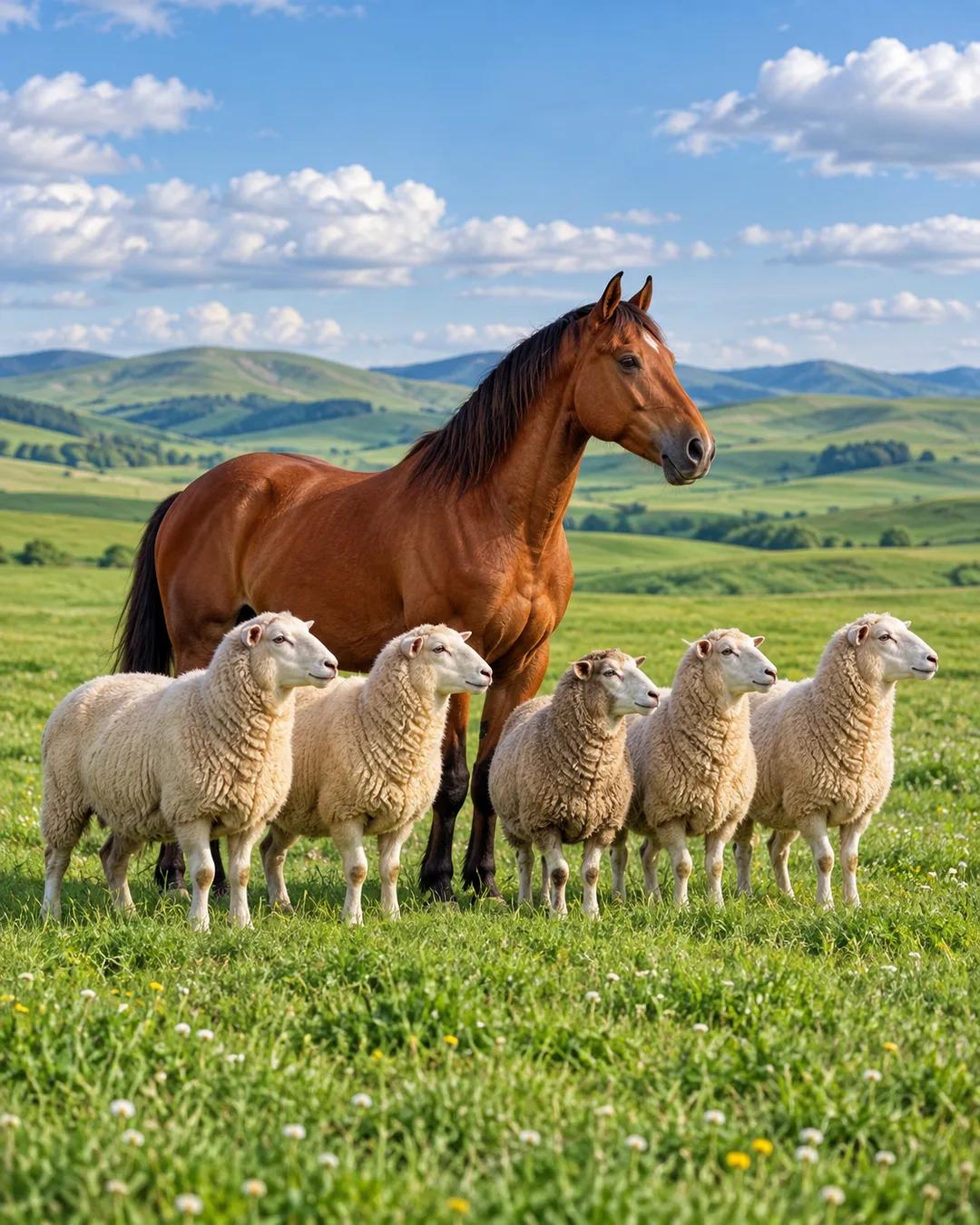
Mongols count everything in horses

The Horse Standard
A herder who answers one hundred horses may not own a single horse. The figure is a common unit that converts the whole herd.
The Census
Among the first things Genghis Khan did was take a census, and he demanded a complete one from every place he conquered. Every house posted the number of people, the number of animals, and their occupations. That took mathematics, and the Muslims supplied it. They used the zero, which impressed the Mongols and made the Chinese suspicious. He conquered Khwarezm, home of the mathematician who gave us the word algorithm.
Scholars at Court
He took Middle Eastern scholars to China as financial advisors, and they were sometimes ruthless in carrying out tax policy. Herders keep track of their animals by numbers, which is part of why the zero appealed to the Mongols.
How did the word algorithm come from Khwarezm?
The ninth-century mathematician Muhammad ibn Musa al-Khwarizmi worked in Baghdad and came from the region of Khwarezm. His book on calculation with Hindu-Arabic numerals, translated into Latin in the twelfth century, introduced those numerals to Europe. The Latin form of his name, Algoritmi, gave English the word algorithm. His book on balancing equations gave algebra its name.
What did Mongol censuses count?
The Mongols counted people, animals, and occupations to decide taxes and conscription. They carried out censuses in Persia, China, and Russia. In the Russian lands they ran counts in the 1250s, which provoked unrest in some cities. The records let rulers send a set number of soldiers and workers from each household.
Which animals did Mongol herders count?
Mongol herders traditionally raise five kinds of livestock: horses, cattle or yaks, camels, sheep, and goats. They call them the five snouts. A family's wealth is described by the numbers it holds of each. The herd mix varies by region, with camels in the Gobi and yaks in the mountains.
More from Lex Fridman Podcast