Korva is a scroll of the internet’s best ideas.
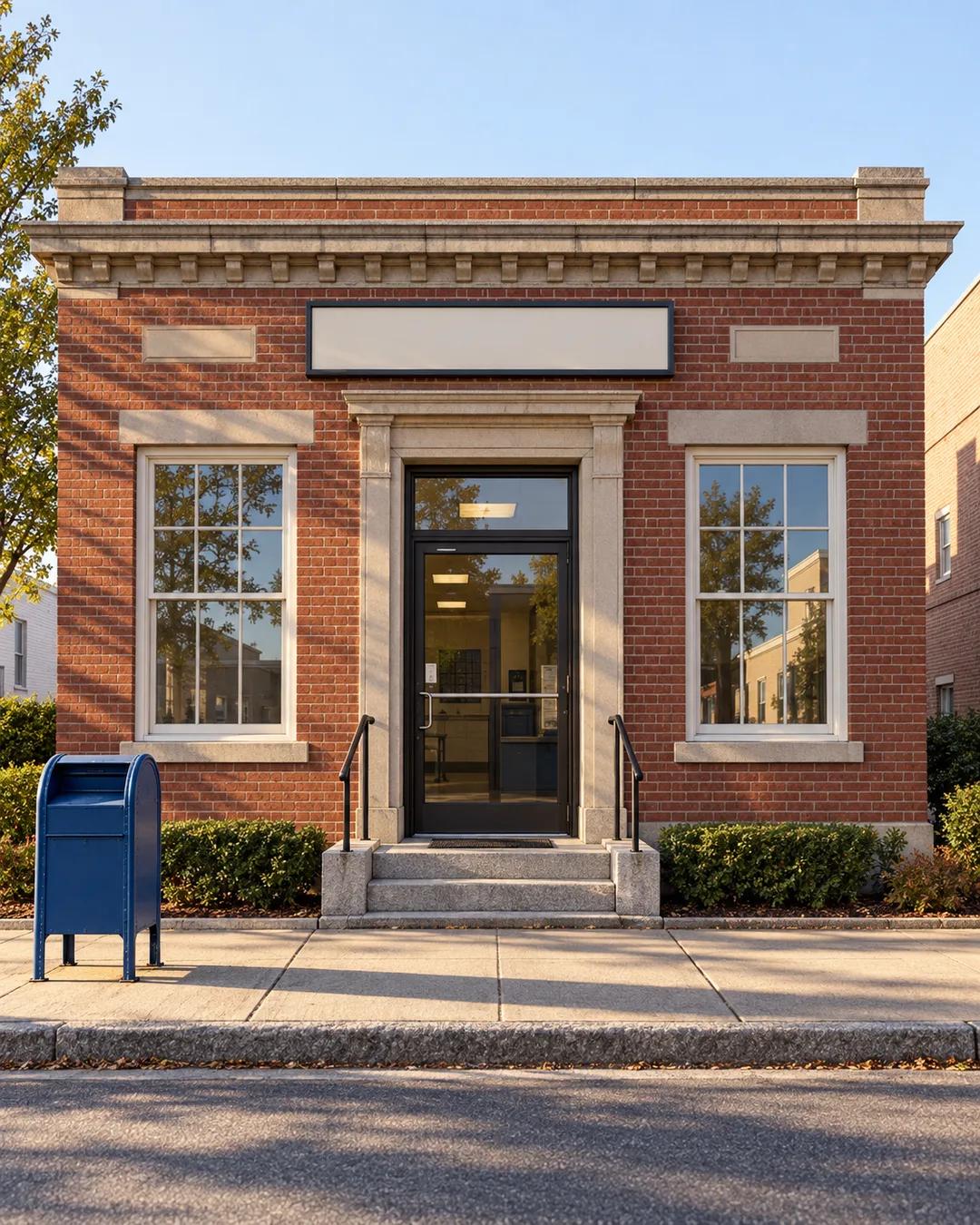
Most House bills skip the rules

How the shortcut works
If two-thirds of the House agrees, members can ignore all the rules, debate, and procedures and pass the bill. The Senate version is a unanimous consent agreement: every single senator is on board, and the bill passes with all the other rules skipped.
What gets through
The laws that get this fast-track treatment are standard everyday things that may never make a headline, from symbolic bills like renaming a post office to spending bills. No one objects because the disagreements have already been worked out behind closed doors.
The harder path
This is the easy path to a law, used when everyone is on the same page and there is little partisan conflict. The other path carries the controversial legislation that fills the news, and it gets hard and very messy.
Why does suspension need two-thirds support?
Suspension sets aside the House's usual rules so a bill can pass in a single vote, normally after 40 minutes of debate. Because it skips the Rules Committee, the two-thirds requirement limits the shortcut to bills with broad support. House rules do not allow floor amendments to suspension bills. A bill that fails under suspension can still come back through the regular process.
How does a unanimous consent request work?
A senator asks for unanimous consent on the floor, and the presiding officer asks whether anyone objects. A single objection kills the request, so leaders negotiate ahead of time and many agreements are cleared with every office in advance. A senator who plans to object can place a hold, which is a notice to party leaders. Holds are a custom rather than a written rule.
Why do post offices get named by law?
Federal buildings, including post offices, are named through acts of Congress. A naming bill gives a member a cheap way to honor a local figure. Under longstanding House Oversight Committee practice, such a bill needs cosponsors from the state's entire House delegation. Naming bills usually come to the House floor under suspension.
More from Civics 101