Korva is a scroll of the internet’s best ideas.
Name-calling activates your critics

The Deflock backlash
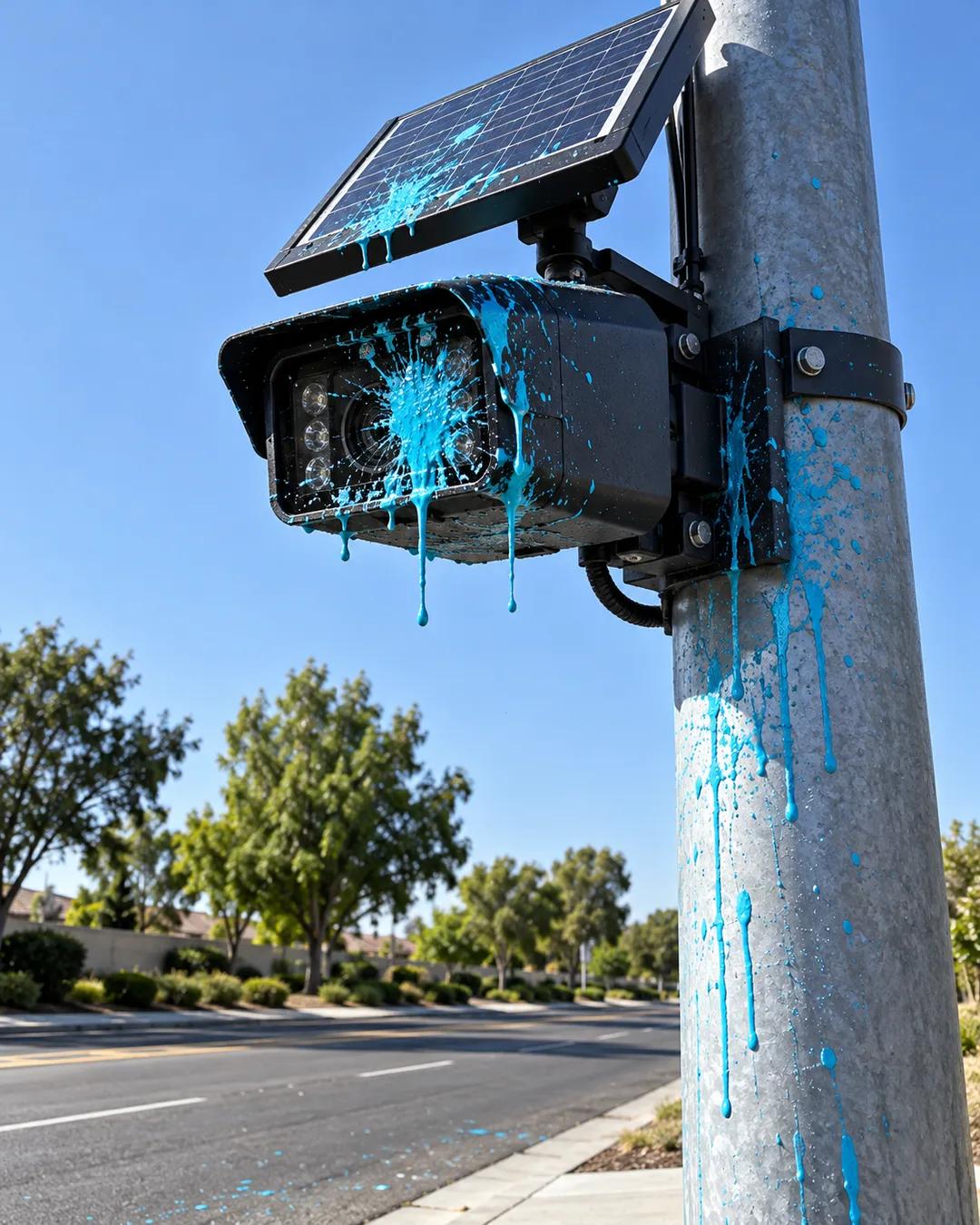
Flock Safety's CEO called Deflock a terrorist organization in an interview. Deflock is an open-source map of license plate cameras in the US, where anyone can report a new camera they spot. Calling vandals terrorists while people have valid concerns pulls more people in. Taking a bat or a paintball gun to a speed camera or a license plate camera is a time-honored tradition, and in Europe, speed cameras on highways get vandalized too.
Uber and surge pricing
Uber ran into the same thing with surge pricing. The public heard that the company charges six times the normal price to take a child to a doctor during a blizzard. Explained step by step, surge pricing is about availability: Uber will double the price until somebody takes the ride, which gives drivers a reason to be out on New Year's, in a snowstorm, or in the rain, when they would otherwise stay home. Getting people to see it that way took a while.
Flock's data answers
Flock's answers to questions about data retention and misuse, such as a rogue cop tracking a spouse, have been that the local community sets its own rules. Picture a camera company that keeps plates for twelve months at most, logs the badge number of every officer who looks one up in a permanent record held at its own headquarters, bars facial recognition, and installs only where a city council and a judge oversee the system.
Why does surge pricing bring drivers out?
Economists have long argued that a higher price tells suppliers where a good is scarce and rewards those who respond. A 2015 analysis by Uber economists Jonathan Hall, Cory Kendall, and Chris Nosko found that surge pricing increased the number of drivers on the road. The added drivers came from people who would otherwise have stayed offline.
Why do insults make critics more determined?
Psychologist Jack Brehm proposed the theory of psychological reactance in 1966: when people feel their freedom is threatened or dismissed, they push back harder. Being labeled an extremist can feel like having a view brushed aside instead of answered. Researchers have found reactance in studies of persuasion and health warnings, where heavy-handed messages sometimes produce the opposite of the intended result.
How do plate cameras turn photos into searchable records?
Automatic license plate readers photograph a vehicle, then software uses optical character recognition to convert the plate image into text. The text is stored with the time and location, which makes every sighting searchable. The technology was first developed in 1976 by the Police Scientific Development Branch in the United Kingdom.
More from This Week in Startups