Korva is a scroll of the internet’s best ideas.
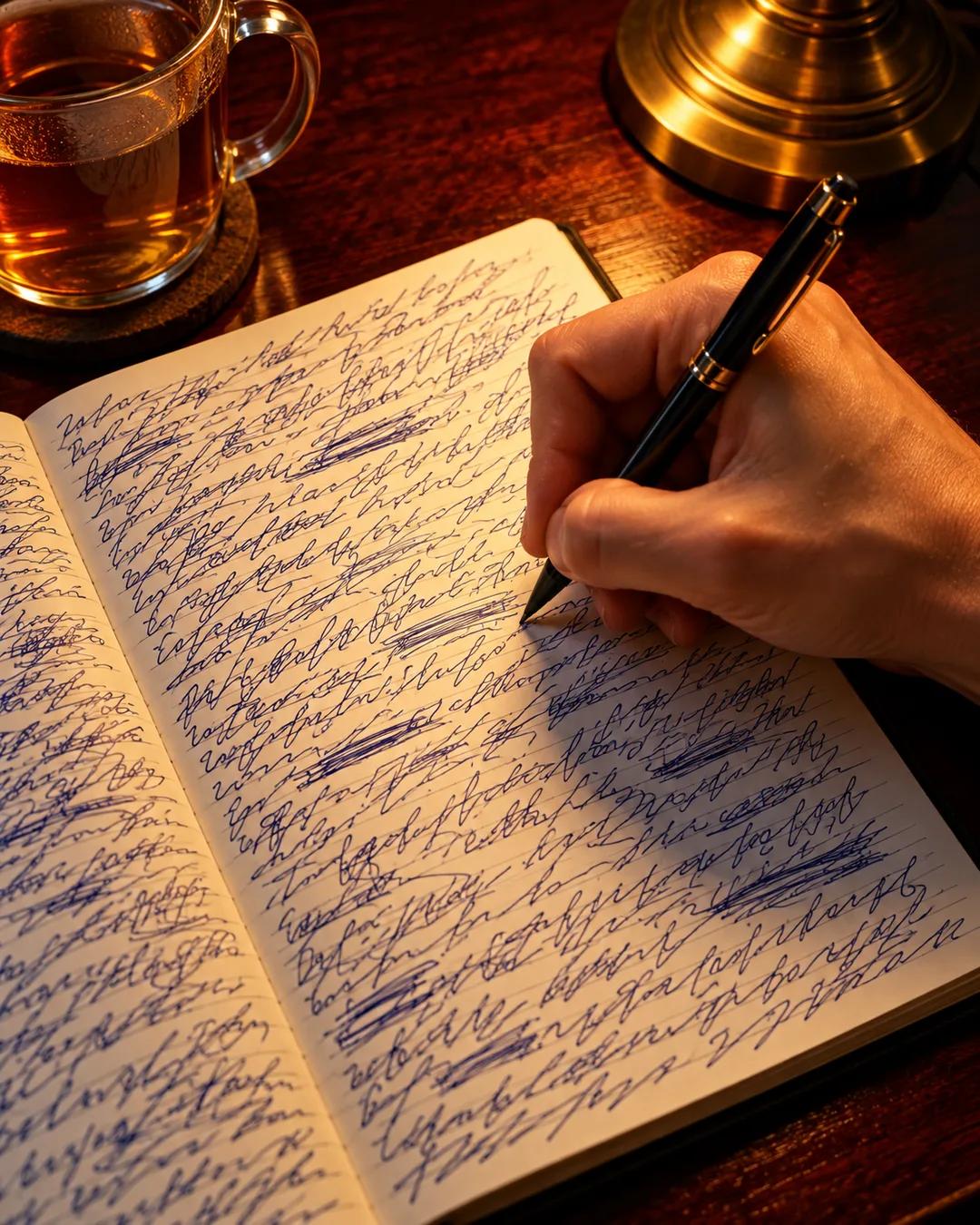
Name names on your resentment list

The rules of the list
Kate Bowler, a Duke professor who writes about joy, built her list with her best friend. They set rules as they went: write down any moment that changed or scarred you or that you wish could be another way. Don't make it pretty, and don't turn it into a lesson. Name names, because it was never people in general who hurt you, it was Linda.
Why it stays private
The list is only for the person writing it. People usually leave out what something cost them to spare an imagined listener, and counting the cost is a step toward emotional openness. Her best friend kept reminding her of the stories she skipped, and the result was a big fat list.
What the list showed
Looking at it, some entries she wanted to find a way through so they weren't so painful anymore, and a lot of it couldn't be changed, like being badly misdiagnosed and treated poorly in the medical system. A problem doesn't have to be dramatic to matter. A story a person repeats more than once or twice is likely to hold something unhealed, and that makes it harder to believe good things are still coming. Anyone unsure whether something counts can write it down and see whether it cost them, because if it did, it did.
Why does writing about hurt change how it feels?
Psychologist James Pennebaker began studying expressive writing in the 1980s. In a 1986 study with Sandra Beall, students wrote about upsetting experiences for fifteen minutes a day over four days, and later made fewer visits to the campus health center than students who wrote about neutral topics. Pennebaker proposed that putting an experience into words organizes it into a coherent story. Later studies of the technique have produced mixed results of varying size.
Why do people repeat the same stories?
Psychologist Dan McAdams argues that people build a narrative identity, an internal life story that explains how they became who they are. His research found that the stories people tell about their lives often follow patterns. One is a redemption sequence, where a bad event leads to something good. Another is a contamination sequence, where a good event is spoiled by what follows.
Why does resentment literally mean feeling again?
The word came into English in the late 1500s from the French ressentir. That verb joined re, meaning again, to sentir, meaning to feel. In early English use, resent could describe any strong feeling, including gratitude. Over the following centuries its meaning narrowed to the sour, lingering kind of feeling it names today.
More from Good Inside with Dr. Becky