Korva is a scroll of the internet’s best ideas.
Name your own cargo's value

The old system
The Danish crown held a stranglehold over the strait and wanted customs duty on any cargo passing through. At first it sent people on board to estimate the value of each cargo and charged 10% of it. That turned out to be a lot of bother.
Declare your own value
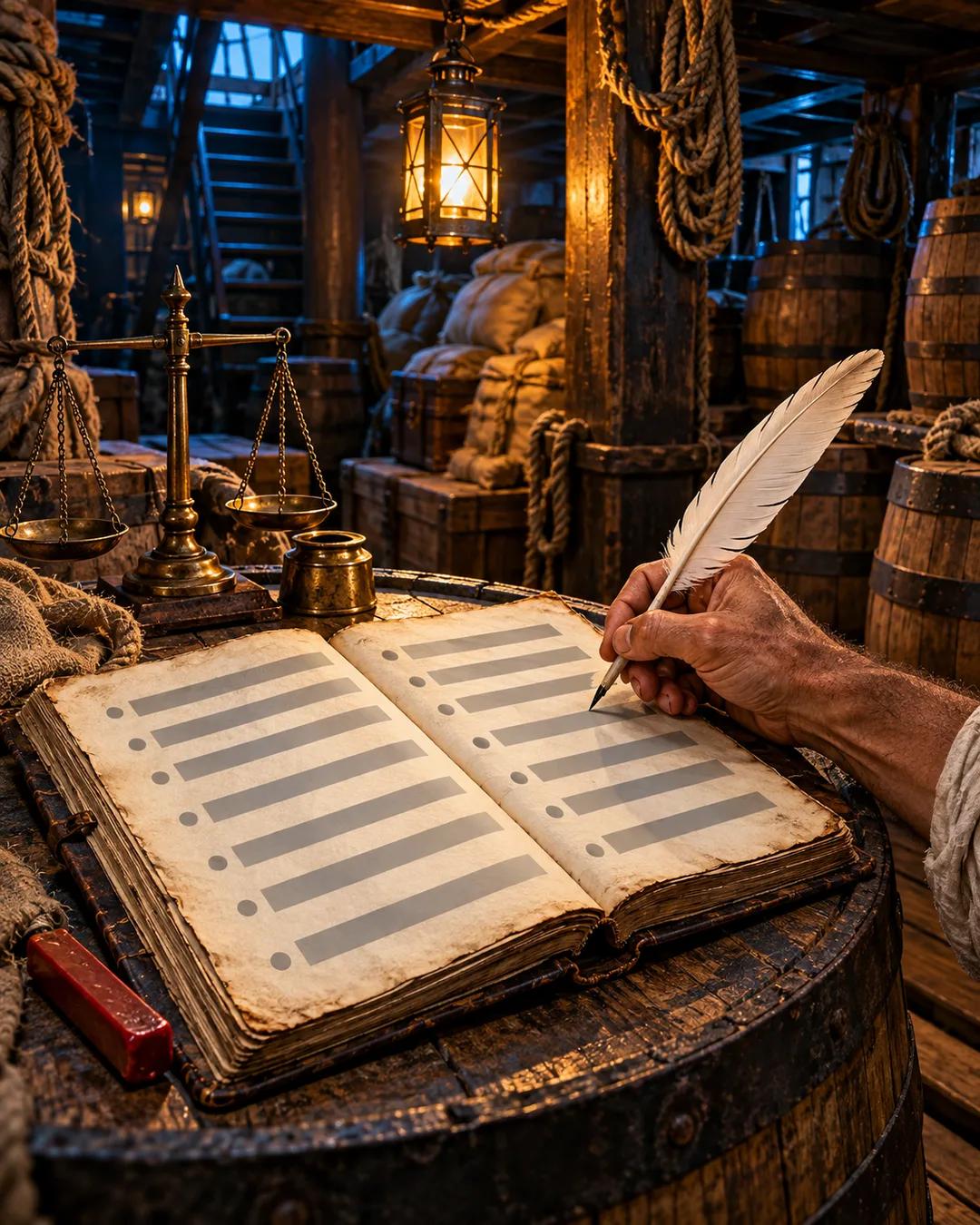
So the crown changed the system. Captains told it what their cargo was worth, and the crown charged 10% on that figure. Every now and then, at random, the crown also bought a cargo at the price its owner had quoted.
A low figure meant less duty but left the cargo open to being bought cheaply. A high figure meant more duty.
Valuing a house
The same trick works for property valuation: owners state what their house is worth, and the only condition is that the authorities have the right to buy it for that amount.
Why could Denmark charge ships to pass?
The Øresund is only about four kilometers wide at its narrowest, between Helsingør and Helsingborg. Denmark held both shores until 1658, when the Treaty of Roskilde gave Scania to Sweden, and the guns of Kronborg castle at Helsingør covered the channel. Danish kings collected the Sound Dues from 1429 until 1857.
Why does a buy-at-your-price rule force honesty?
A declared value that is too low risks losing the goods at a bargain, and one that is too high raises the duty, so the best figure to state is the true one. The economist Arnold Harberger proposed a version of this for property, in which owners assess their own holdings and must sell at that price. Eric Posner and Glen Weyl discussed the idea in their 2018 book Radical Markets.
How did the Sound Dues end?
The Copenhagen Convention of 1857 abolished the dues after pressure from the United States and the European maritime powers. Denmark received a one-time payment from the trading nations in compensation. The dues had been collected for more than four centuries.
More from My First Million