Korva is a scroll of the internet’s best ideas.
Next door to David Foster Wallace

Harlan Coben arrived at Amherst College from a public high school in New Jersey, where he had been a good basketball player. His grades and SATs were fine, but they would not have gotten him into Amherst alone, and the basketball did. Everyone around him seemed brilliant, and he felt intimidated.
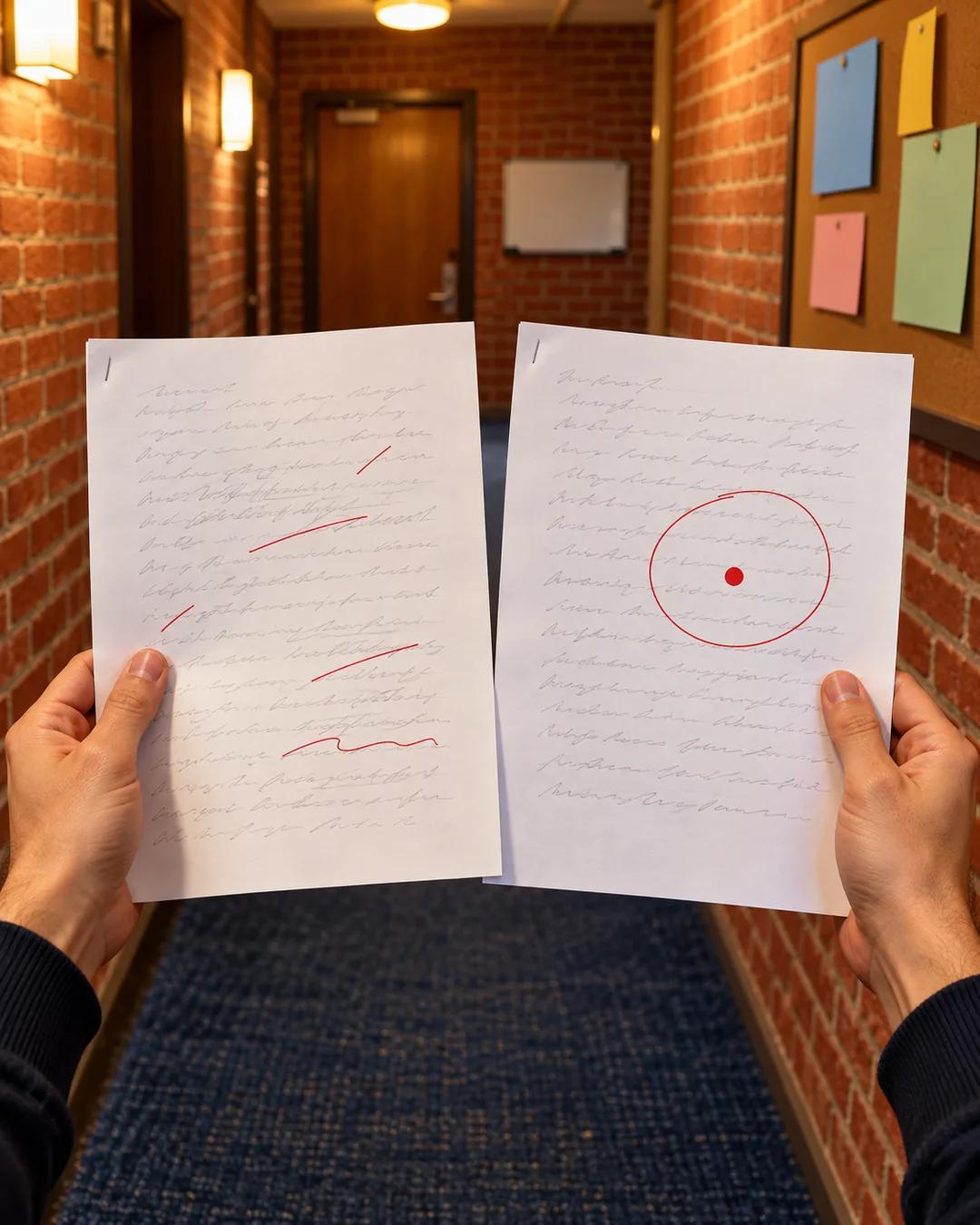
His first paper in an introduction to political science course came back with a B or a B-minus. Walking back to the dorm with David Foster Wallace, who lived next door, he asked what grade Wallace got. It was an A. Coben asked to read the paper, curious what an A paper looks like.
After reading it, he figured he would fail out of the place so fast. He had not realized that Wallace was the smartest person he had ever met, the kid in class who made everybody sit up and listen when he spoke. None of the students knew yet that they would become writers, but the freshman most likely to turn into a genius with a skewed view of things was Wallace, a strange guy.
How did Wallace's college work become books?
Wallace graduated from Amherst in 1985 with degrees in English and philosophy. His English honors thesis grew into his first novel, The Broom of the System, published in 1987. His philosophy thesis on logic and fatalism was published after his death as Fate, Time, and Language in 2010. His 1996 novel Infinite Jest runs to more than a thousand pages.
How do athletes get into selective colleges?
Amherst competes in NCAA Division III. Division III schools may not award athletic scholarships, but coaches there can advocate for recruits in the admissions process. Athletic ability is weighed as one factor alongside grades, test scores, and other talents. Financial aid at such schools is based on need rather than athletics.
More from Freakonomics Radio Network