Korva is a scroll of the internet’s best ideas.
Niche salsa keeps shoppers loyal

Why niche products stay
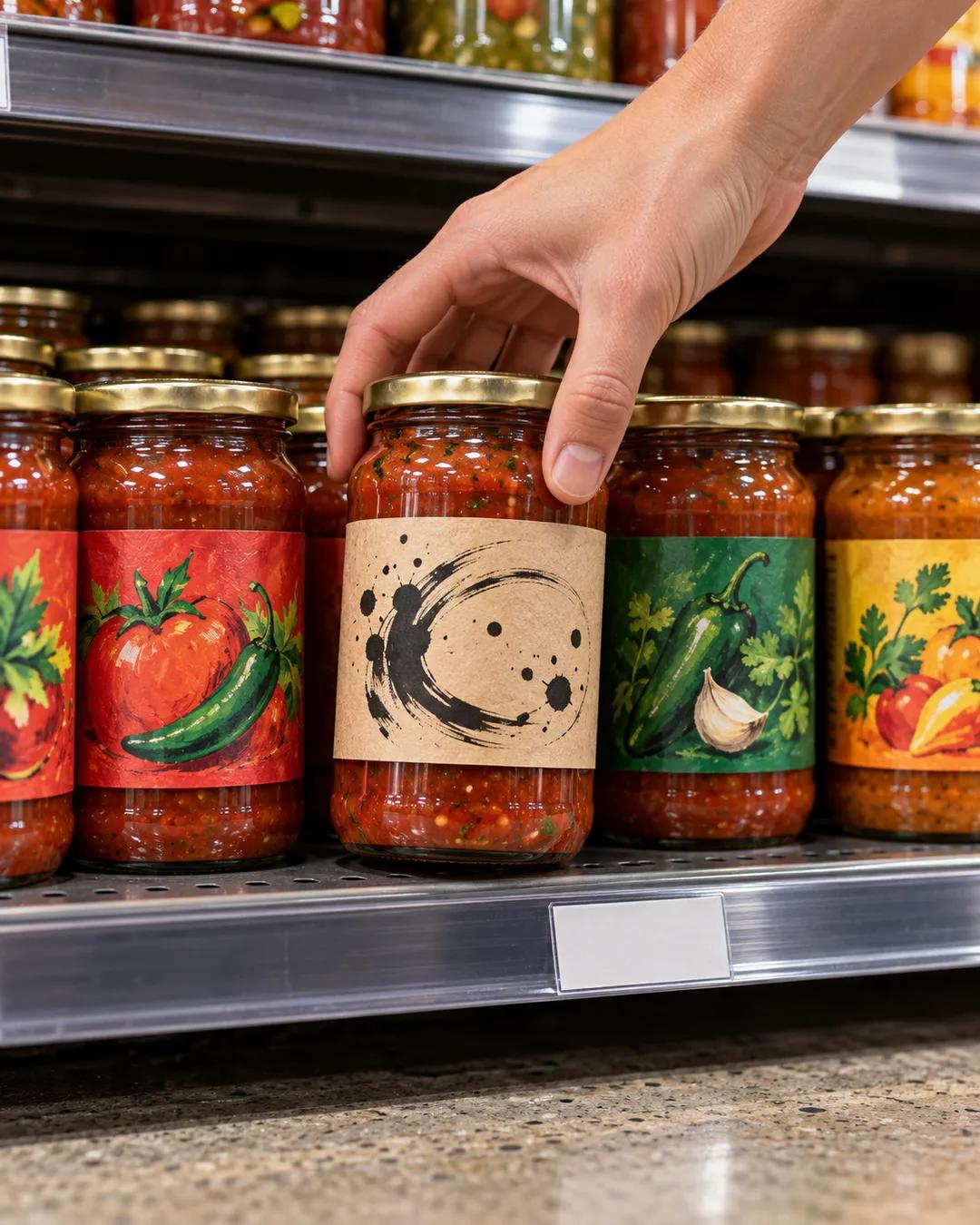
Dozens of salsas fill a shelf because some niche brand on the bottom shelf is probably at least one person's favorite. A City Market might carry that salsa while a Walmart or Target does not. A shopper who can get everything else at a competitor keeps returning to the City Market for the one product they love. Supermarkets treat slow-moving products as key differentiators and as key to customer retention, so they are willing to sell them even at a loss.
Walmart experimented with cutting its product variety by 11% and quickly reversed course, because the cut hurt its bottom line even though it simplified distribution.
What variety costs
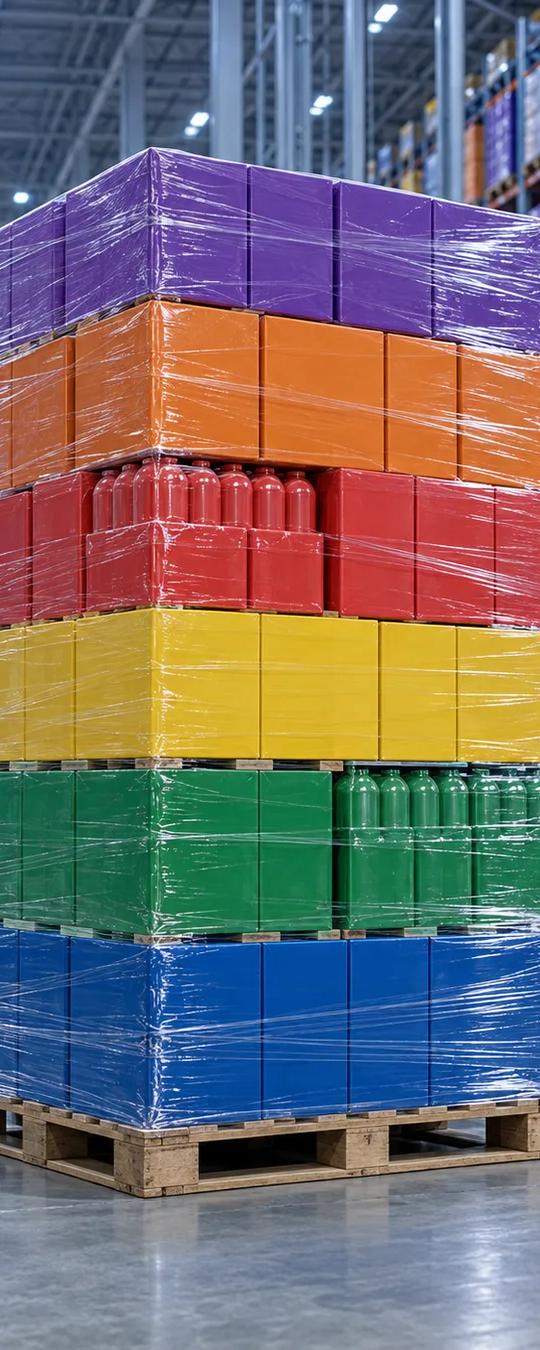
Distribution centers traditionally work by the pallet load, and a pallet in the picking area takes the space of a single pallet whether it's used up in a day or a month. If each store sells only a dozen of a niche salsa per week, working through one pallet takes the whole company quite a while. Every additional niche product increases the storage space needed and, in manual warehouses, the distance pickers travel to assemble an average pallet.
Kroger's and H-E-B have set up dedicated distribution systems for slow-moving inventory. These let them ship less than box-load quantities of certain products without slowing the process for fast-moving ones. Kroger's has built one in densely populated areas of the US east coast but not in the sparsely populated Rockies region, home to King Soopers and City Market, where demand isn't enough to justify it.
How can a store profit while losing on salsa?
Grocers judge a product by what else a shopper buys on the same trip, not only by its own margin. A slow seller that brings a household back every week can be worth more than the profit on the jar itself. Grocery is a thin-margin business, and the Food Industry Association has reported that net profit usually runs in the low single digits of sales.
Why do warehouses work in pallets?
The standard North American pallet measures 48 by 40 inches, a size popularized by the Grocery Manufacturers Association. Forklifts, pallet jacks, storage racks, and truck trailers are all built around that footprint. A 53-foot trailer can carry up to 26 standard pallets. Because the pallet is the unit everything is handled in, one slow product occupies the same floor space as a fast one.
How does a long tail of products pay?
Writer Chris Anderson coined the term long tail in a 2004 Wired article. He argued that retailers with effectively unlimited shelf space can earn a large share of their revenue from many niche items that each sell in small numbers. Physical stores face fixed shelf and storage limits, so each niche item has to earn its place against every other product. Anderson expanded the idea into a 2006 book, The Long Tail.
More from Wendover Productions