Korva is a scroll of the internet’s best ideas.

No defaults means lending too carefully
The case for DSCR loans
The case for DSCR loans starts with a housing shortage. People need access to money to build new homes and fix up old ones, and credit for housing is still too tight, because the rules written after the financial crisis went too far and caused a backlash. Wall Street has to keep making that money available as loans, even if some of them go bad. Across the country, most DSCR loans still seem to be doing fine, and they make up maybe 2% of new mortgage loans for single-family homes.
The case against
The case against starts with the financial crisis itself. Wall Street's hunger for risky mortgages is partly why it happened, and society responded by deciding that mortgage loans should be less risky. Nearly two decades later, Wall Street has slowly rediscovered the allure of riskier, more exotic types of mortgages. DSCR loans may be a little too easy to get, and the giant pool of money behind them may be too hungry for opportunities to take bigger risks and make bigger profits.
Baltimore's share
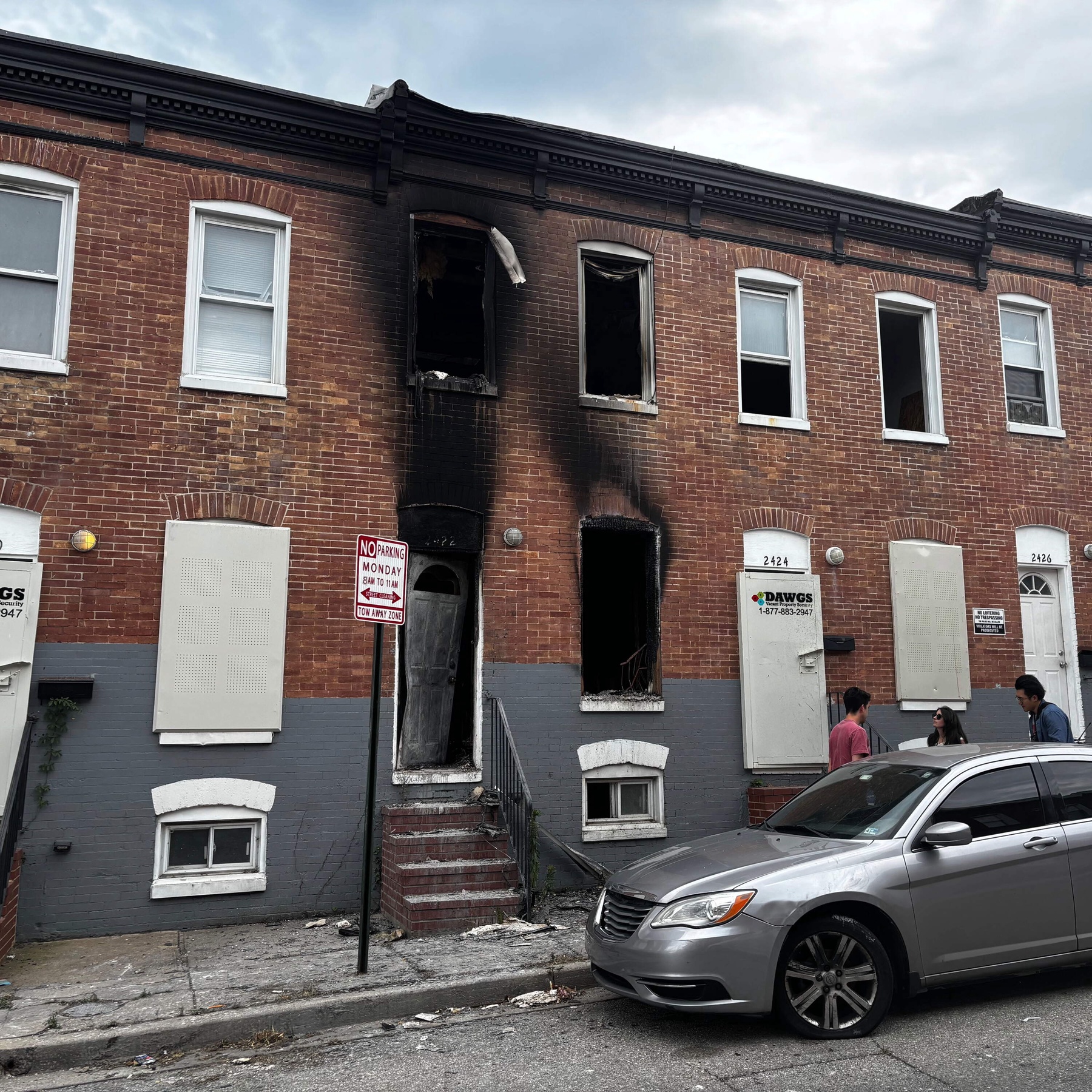
In Baltimore, about $35 million of the $100 million in bad loans came from private lenders associated with ROC360, the company that helped popularize DSCR loans. If these loans become a much bigger part of the mortgage market and their flaws get magnified, regulators might step in.
Why do lenders expect some loans to fail?
Lenders set interest rates to cover the losses they expect on a pool of loans, along with their costs and profit. A lender that approved only the safest borrowers would earn lower rates and have fewer customers. Banks also set aside reserves in advance for the share of loans they expect to go bad. Charge-offs, the loans written off as uncollectable, are tracked by the Federal Reserve every quarter.
How did risky mortgages spread before 2008?
Lenders sold loans to investment banks, which packaged them into securities and sold them on. Each link in the chain passed the risk to the next buyer. When house prices began falling in 2006 and 2007, borrowers owed more than their homes were worth and defaults rose. The Financial Crisis Inquiry Commission concluded in 2011 that the crisis was avoidable.
Why do big pools of money chase riskier loans?
Investors such as pension funds and insurers need returns to cover what they owe. When safe government bonds pay little, they accept more risk to earn more. The Federal Reserve held its target interest rate near zero from December 2008 to December 2015.