Korva is a scroll of the internet’s best ideas.
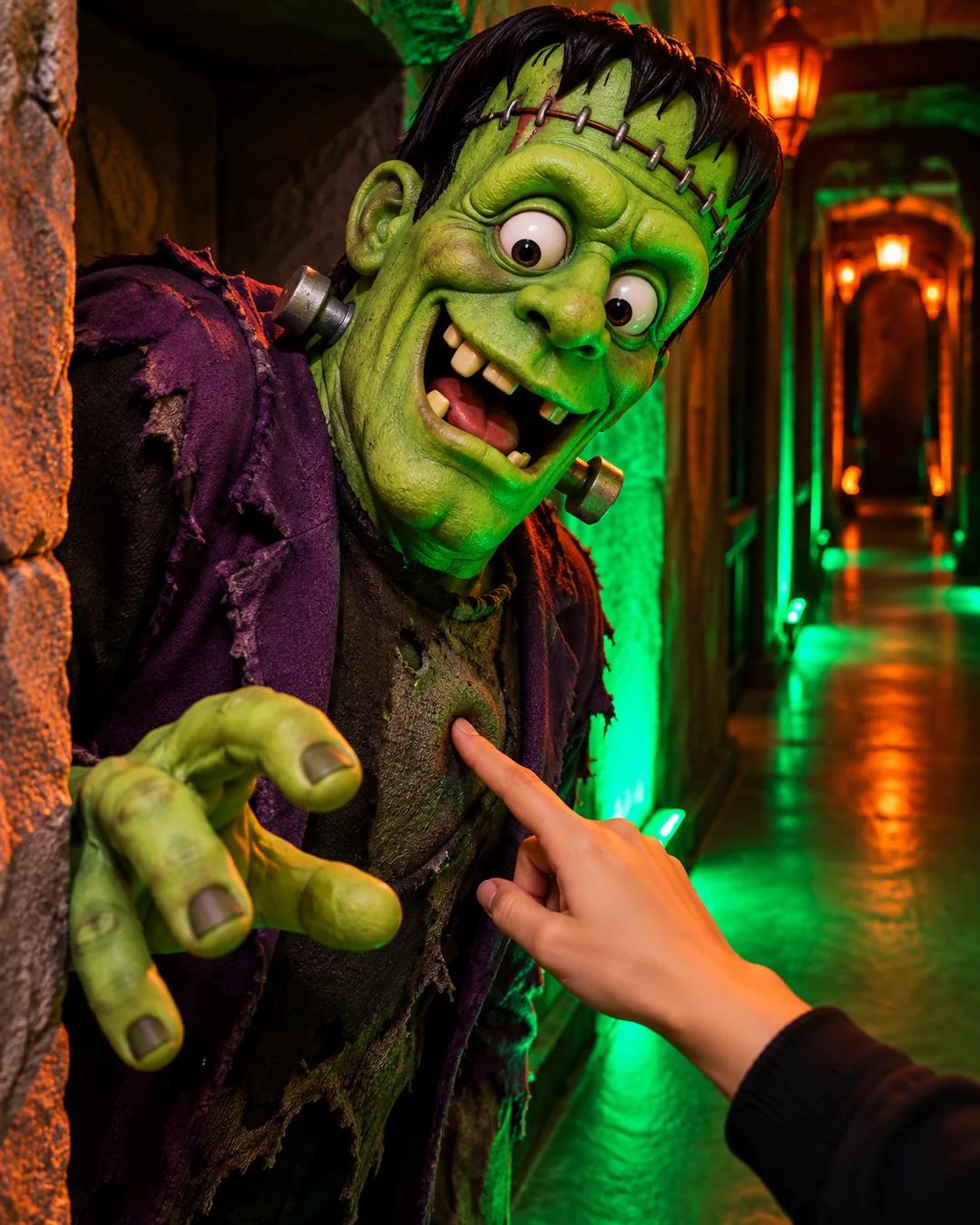
No fear in a haunted house

A fearless patient
The patient, known as SM, could not recognize fear in other people's faces after her bilateral amygdala damage. Years later, researchers took her to haunted houses, an exotic pet store full of snakes and spiders, and horror movies. She poked the monsters, wanted to touch the snakes and spiders, and did not seem to consciously experience fear either.
The carbon dioxide test
Then she and a few other patients with similar lesions wore a mask and inhaled carbon dioxide. In about half the general population, that brings on a panic attack, because the change in blood pH is detected by the brain and produces a sudden air hunger, an alarm of suffocation. SM and the other amygdala patients all had full-blown panic attacks.
Two kinds of fear
That signal does not depend on the amygdala. It runs through other brainstem circuits. Fear of something out in the world and panic about something happening inside the body, like a heart attack or not getting enough air, rely on distinct brain systems, even though both go by the name fear.
Why does carbon dioxide trigger panic?
Breathing in extra carbon dioxide raises the acidity of the blood, and chemoreceptors in the brainstem and the carotid arteries detect the change. They drive faster breathing and produce a sudden sense of air hunger. In 1993 psychiatrist Donald Klein proposed that panic arises from an oversensitive suffocation alarm that fires falsely. That idea grew out of the observation that carbon dioxide inhalation provokes panic far more readily in people prone to panic attacks.
How did both her amygdalae get damaged?
SM has Urbach-Wiethe disease, a rare genetic condition that deposits calcium in tissue. In many patients it leaves the amygdalae calcified and destroyed while most of the rest of the brain is spared. That unusual selectivity made her one of the most studied patients in neuroscience, and the case was reported by researchers at the University of Iowa. Fewer than a few hundred cases of the disease have been described worldwide.
What does the amygdala actually do?
Work in rats by neuroscientist Joseph LeDoux in the 1980s and 1990s showed that damage to the amygdala wipes out learned fear responses such as freezing to a tone that had been paired with a shock. The structure receives sensory input quickly and sends output to the hypothalamus and brainstem to set off defensive reactions. In humans, imaging studies show it responding strongly to threatening faces and to cues linked to danger. Its role looks more like learning what to fear than producing every kind of fear.
More from Huberman Lab