Korva is a scroll of the internet’s best ideas.

Apple's expensive policy
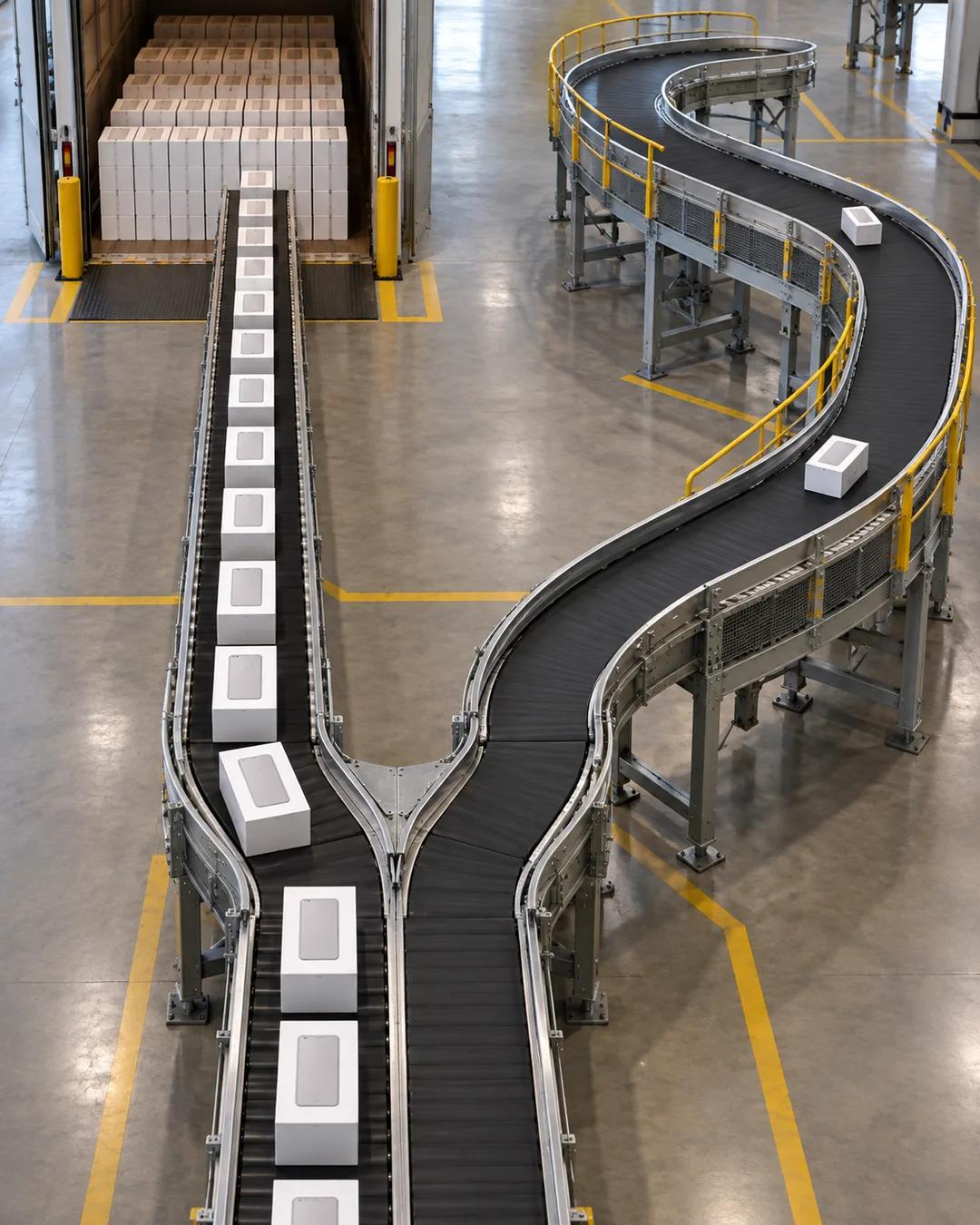
Apple shows the limit. It has moved some iPhone manufacturing to India, but it has not left China, because diversifying costs so much. It works like an insurance policy so astronomically expensive that nobody pays it unless they have to. If a competitor sources from China and you source from the US, you are at such a disadvantage that you won't do it.
Intel's foundry problem
Intel's foundry shows the same logic. For years it made no rational sense for a big tech company to hand its chips to Intel, because TSMC was awesome to work with and could be trusted to do a good job. Switching meant pain on both sides: Intel would have to learn how to work with a partner, and the customer would have to figure out how to work with Intel.
Scarcity changes the math
Scarcity changes the math. Big tech companies are now giving up so much revenue and profit for lack of compute that they will go through the pain of getting Intel and Samsung's logic businesses up to speed. A compute use case massive enough that everyone is economically motivated to bring other suppliers up to speed delivers the geopolitical insurance for free. The scarcity is what ultimately saved Intel, and TSMC brought it on itself.
Why did Apple build iPhones in India?
Apple's contract manufacturer Wistron began assembling the iPhone SE in Bengaluru in 2017. India later offered production-linked incentives from 2020 that paid manufacturers a share of sales for output made in the country. Moving production means training workers, building supplier networks, and passing quality checks, which is why the shift is gradual.
Why did Intel struggle to win foundry customers?
For decades Intel built chips only for itself, so its tools and design rules were tuned to its own products. Outside customers expect standard design kits, support teams, and a track record, and TSMC had built all three over many years. Intel launched Intel Foundry Services in 2021 to serve outside customers.
How hard is it to switch chip suppliers?
Each foundry has its own manufacturing process and design rules. A chip designed for one process generally cannot be built unchanged at another, so switching means redesign and fresh testing. The work takes many months, and a customer pays for it before it earns anything from the new supplier.
More from Invest Like the Best with Patrick O'Shaughnessy