Korva is a scroll of the internet’s best ideas.

Nobody can predict AI yet
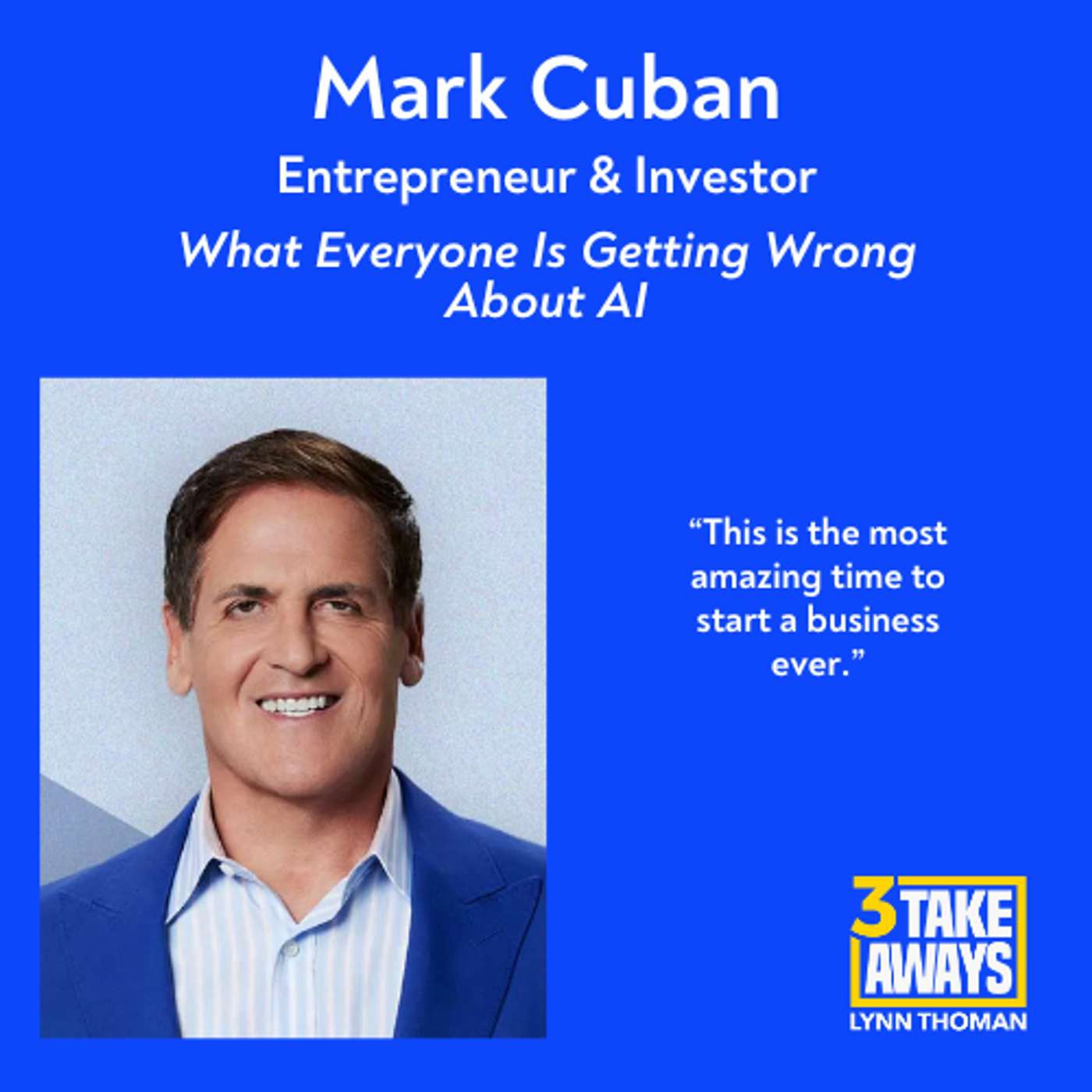
Loud Forecasts
Forecasts about AI come in loud versions: 50% of people losing their jobs, entry-level and white-collar positions vanishing, artificial general intelligence arriving with a Terminator takeover, a world with no jobs and universal basic income for everyone. Nobody is truly able to predict AI, and those forecasts are wrong.
Learning by Using It
The challenge is working out how to use AI now, as an individual, an employee, a human, an employer, and an entrepreneur. Plenty of people are rightfully afraid of it, because so much uncertainty is attached to it, even as it is going to be the most impactful technology.
The advice is to have a conversation with it and use it as a tool in professional and personal life. People are likely to be shocked at where it can add value.
Why are technology job forecasts often wrong?
Economist James Bessen found that the number of bank tellers in the United States rose between 1970 and 2010 even as ATMs spread. Cheaper branches let banks open more of them, and tellers shifted toward customer service. Forecasts that count only the tasks a machine takes over tend to miss the new demand it creates.
How did Keynes forecast the future of work?
In a 1930 essay called Economic Possibilities for our Grandchildren, John Maynard Keynes predicted that within a century technology would cut the working week to about 15 hours. He expected the main problem of the future to be how to fill leisure time. The essay was collected in his 1931 book Essays in Persuasion.
How do AI researchers forecast their own field?
AI Impacts surveyed 2,778 researchers who had published at major AI venues in 2023. The median estimate for a 50 percent chance of machines outperforming humans at every task was the year 2047. Individual answers spread across decades.