Korva is a scroll of the internet’s best ideas.

A rejected reckoning
During the summer of 2020, a facilitator and a colleague were running one of the many Zoom reckonings that year for an organization, and everything they presented got rejected. The group carried too much PTSD from earlier experiences and wouldn't do anything together, because it felt too high-risk.
The poetry workshop
So they looked for what's called a hypoallergenic solution, something the group couldn't simply reject. They brought in an award-winning poet to teach everyone how to name an ache, framed as a skill like any other. Nobody signed up.
Why nobody joined
The failure points to something larger. When a person with power over a group is acting as villain and victim at once, the people under them are rational to stay away, particularly if that person controls their paycheck. It is a cultural problem, so it belongs with a higher authority.
Why do people reject help that feels imposed?
Psychologist Jack Brehm proposed reactance theory in 1966. It holds that when people feel their freedom to choose is threatened, they become motivated to restore it, often by doing the opposite of what is asked. The reaction can occur even when the offer would benefit them. Later studies have found reactance in settings from health messages to workplace policies.
Why do staff stay quiet when a boss holds power?
Harvard professor Amy Edmondson studied hospital teams in the 1990s and published her findings in 1999. She found that team members weigh the risk of speaking up against the chance of embarrassment or punishment, and they stay silent when the risk feels high. She called the belief that speaking up is safe psychological safety. Teams led by managers who invited input reported more problems, because members felt free to raise them.
What happens when people write about feelings?
Psychologist James Pennebaker of the University of Texas began studying expressive writing in the 1980s. In his experiments, participants wrote about emotional experiences for a few days, and their later reports of distress and clinic visits dropped compared with those who wrote about neutral topics. Writing seems to help people organize painful events into a coherent story. Pennebaker's work gave rise to a large literature on expressive writing.
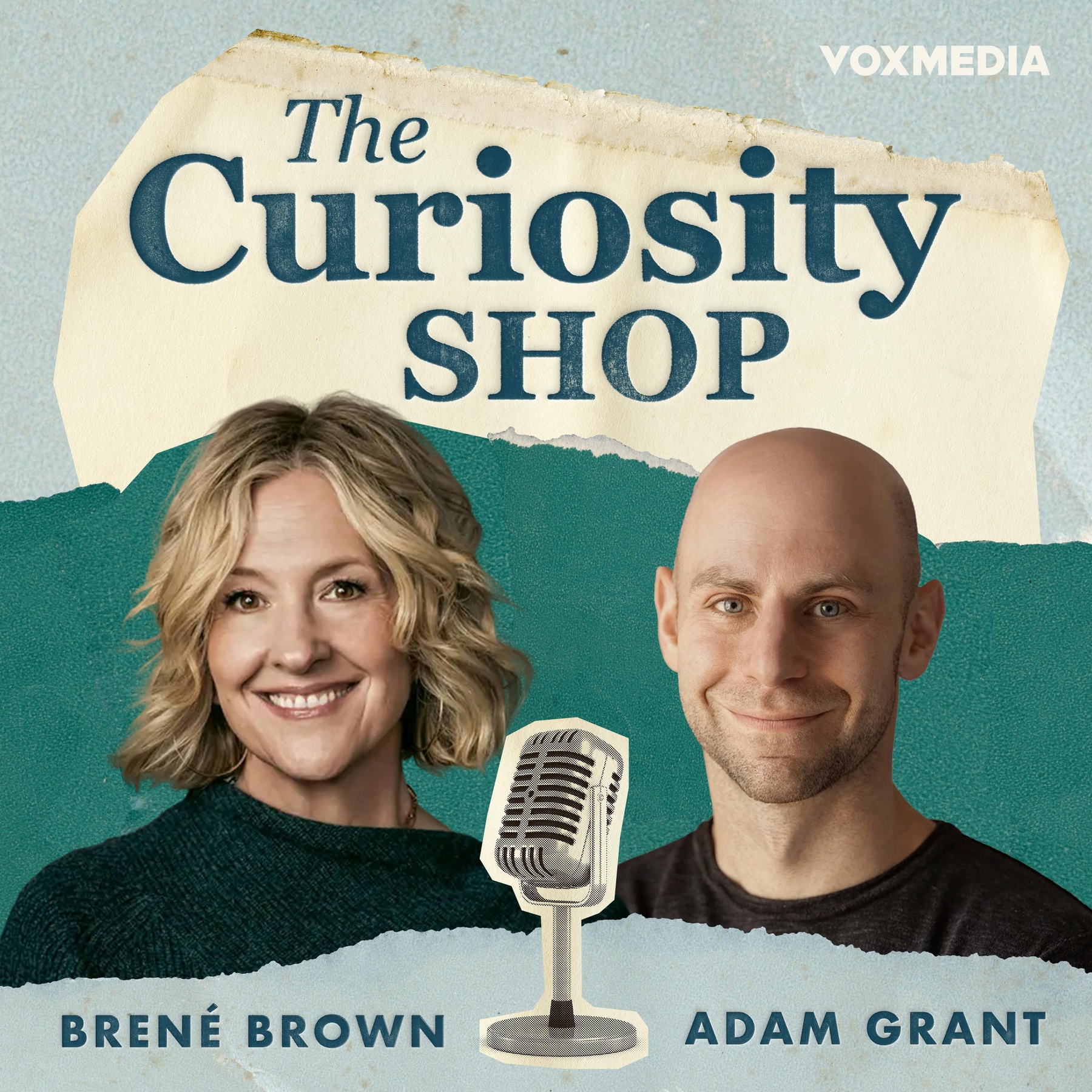
More from The Curiosity Shop with Brené Brown and Adam Grant