Korva is a scroll of the internet’s best ideas.
Nobody used to drink milk
Milk as a spring treat
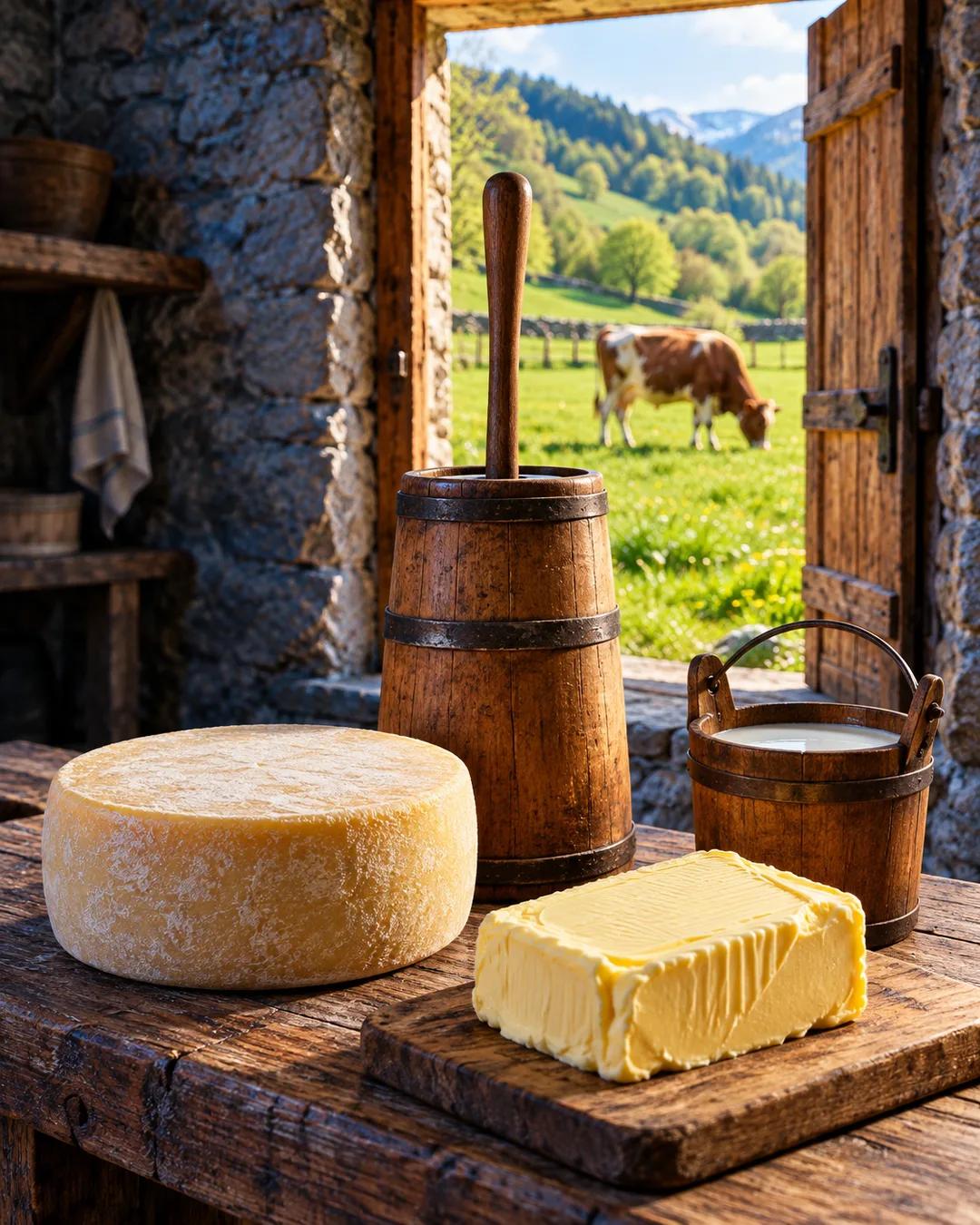
In Northern Europe, where cows were king and most adults could digest lactose, milk still wasn't flowing like water. A farm might have three cows, and raising livestock is seasonal. There wasn't much spare food to feed cows through the winter, and the animals gave only a little more milk than their own spring babies needed, so milk was a spring and summer treat.
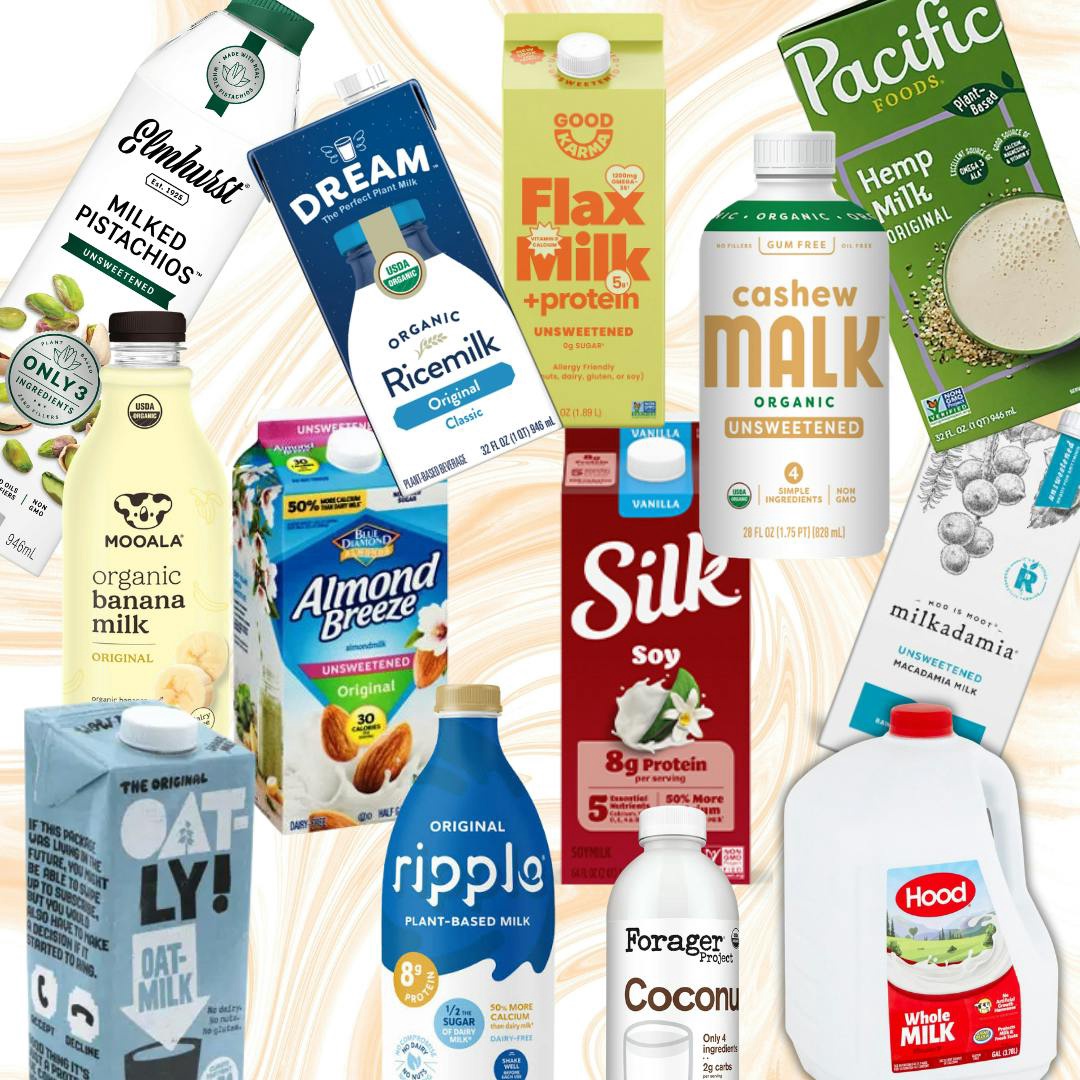
What little milk there was became butter and cheese, which last far longer than fragile, perishable milk. That is how Northern Europeans consumed almost all of their dairy. In the Middle East, the Americas, and Asia, the llamas, goats, and yaks gave little milk, and people there made plant milks instead.
The perfect food
In the 1830s, British chemist William Prout published a landmark book that divided food into fat, carbohydrates, and protein, the three categories still used today. He found all three in milk, called it the most perfect and complete food of all, and pointed to babies living on milk alone as evidence. Prout knew little about nutrition, as did almost everyone then, but the book kicked off a new interest in milk.
At the same time, it became unfashionable for upper-class women to breastfeed, and lower-class women increasingly worked out of the home. Cow's milk came to be seen as something babies should drink, even preferable to breast milk.
Why do cheese and butter keep better?
Cheesemaking turns milk into curds and drains off the whey, which removes most of the water and most of the lactose. Bacteria and salt then lower the pH and keep spoilage organisms from growing, and aging dries the cheese further. Butter is mostly fat separated from the water in cream, which leaves little for bacteria to live on. Hard aged cheeses can keep for years.
Why can some adults digest milk?
Most mammals stop making the enzyme lactase after weaning, and humans were no different for most of history. Some populations carry gene variants that keep lactase active into adulthood, and these spread in places with a long history of dairying. A 2007 study in Nature Genetics by Sarah Tishkoff and colleagues found that herding peoples in East Africa carry different lactase persistence variants from Europeans.
Why do modern cows give so much milk?
Farmers have bred dairy cattle for generations to favor high milk yield, and they pair that breeding with feed designed to support it. Holsteins, the common dairy breed in the United States, were developed with this goal. The USDA reports that the average American dairy cow now produces more than 20,000 pounds of milk a year.
More from Gastropod