Korva is a scroll of the internet’s best ideas.
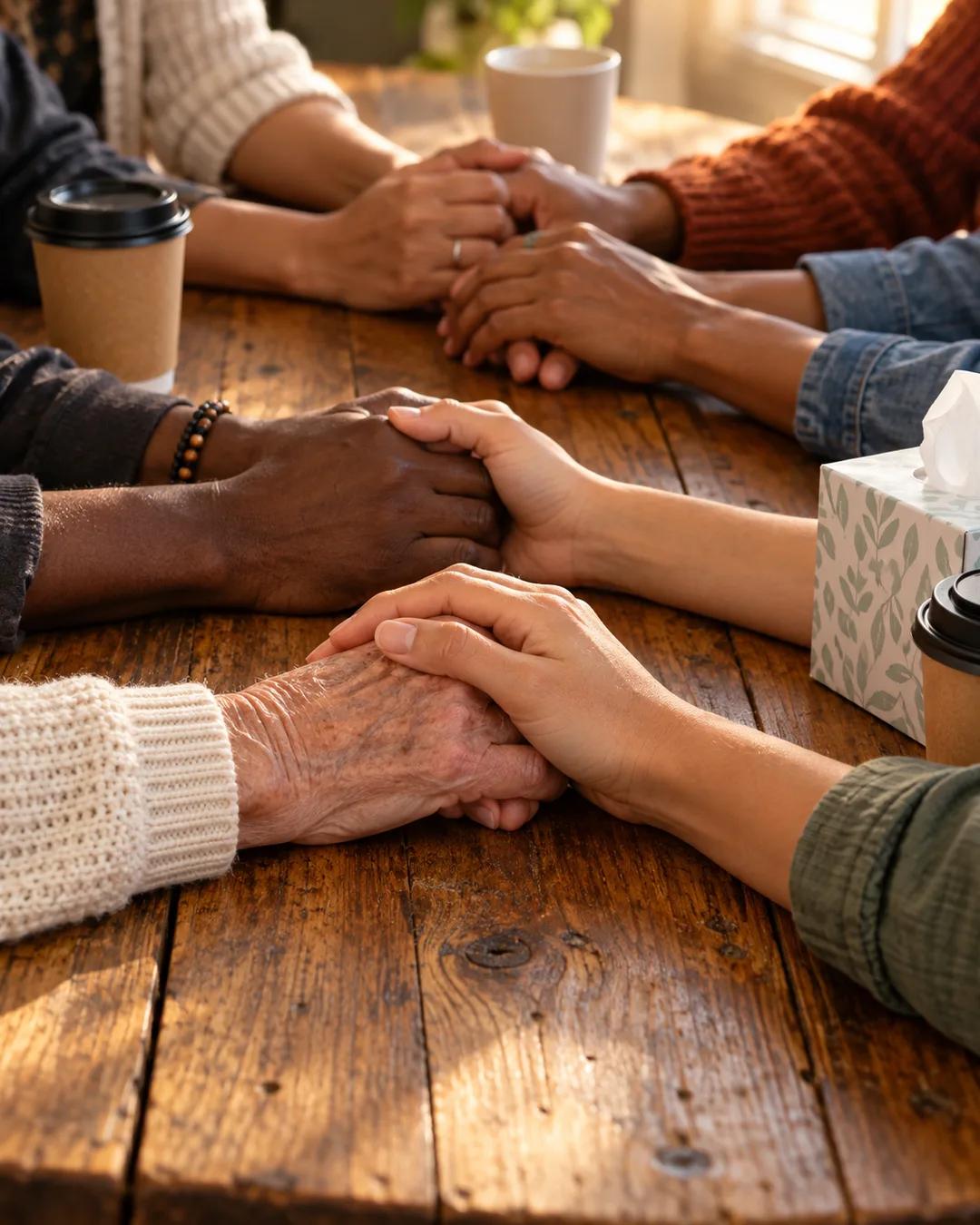
None of us grieves alone
Loss shared by all
Loss comes with being human. It has happened to every person who has ever lived, and it will happen to every person as long as people die. Knowing that makes the road feel shared.
Lessons from other families
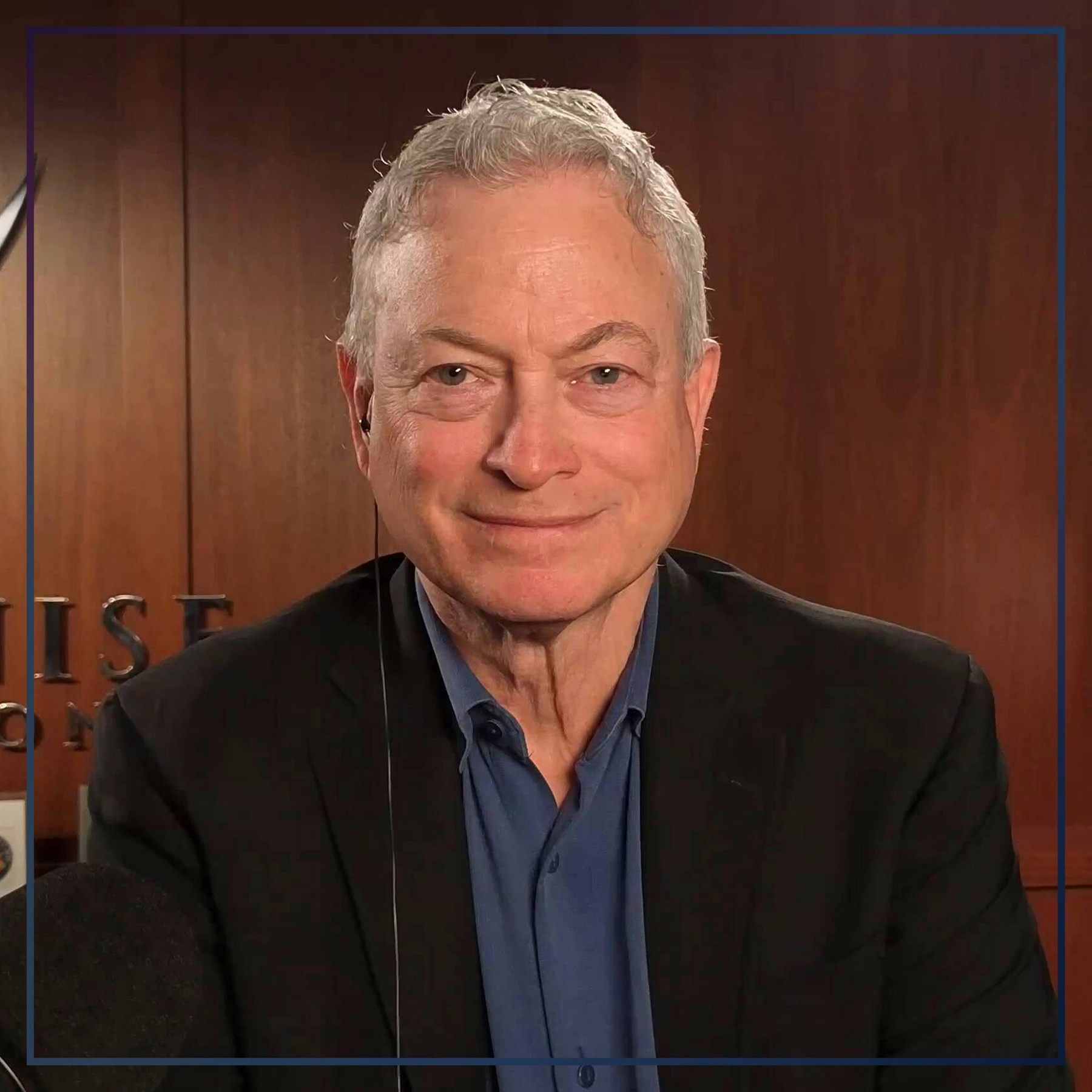
Gary Sinise has seen how true that is. Through the veterans work of his foundation, he has met many broken families and grieving fallen hero families, including many fathers who lost sons and daughters. He watched them go through grief and loss and helped them see they are not alone and are being remembered.
Nobody is prepared for it, because nobody wants to accept it. Even so, being around so many extraordinary families over the years helped him when it was his own turn.
Why does knowing loss is universal ease it?
Psychologist Kristin Neff of the University of Texas at Austin described three parts of self-compassion in 2003: kindness toward oneself, mindfulness, and common humanity. Common humanity is the recognition that suffering is part of the shared human experience, not a private failing. Neff's research found that this recognition is linked to less isolation when people face hardship.
Where does the term Gold Star family come from?
During World War I, families hung service flags in their windows with a blue star for each member in the military. If that person was killed, a gold star replaced the blue one. Robert Queissner, an Ohio man, created the first service flag in 1917 for his two sons serving in the army. An organization called American Gold Star Mothers was founded in 1928.
Why do bereaved parents gather in groups?
The Compassionate Friends was founded in 1969 in Coventry, England, after two couples whose children had died met at a hospital with the help of a chaplain. The group grew on the idea that parents who have lost a child can understand each other in ways others cannot. A branch opened in the United States in 1972, and it now has chapters in many countries.