Korva is a scroll of the internet’s best ideas.
Oatly sold only to coffee shops
The coffee shop launch
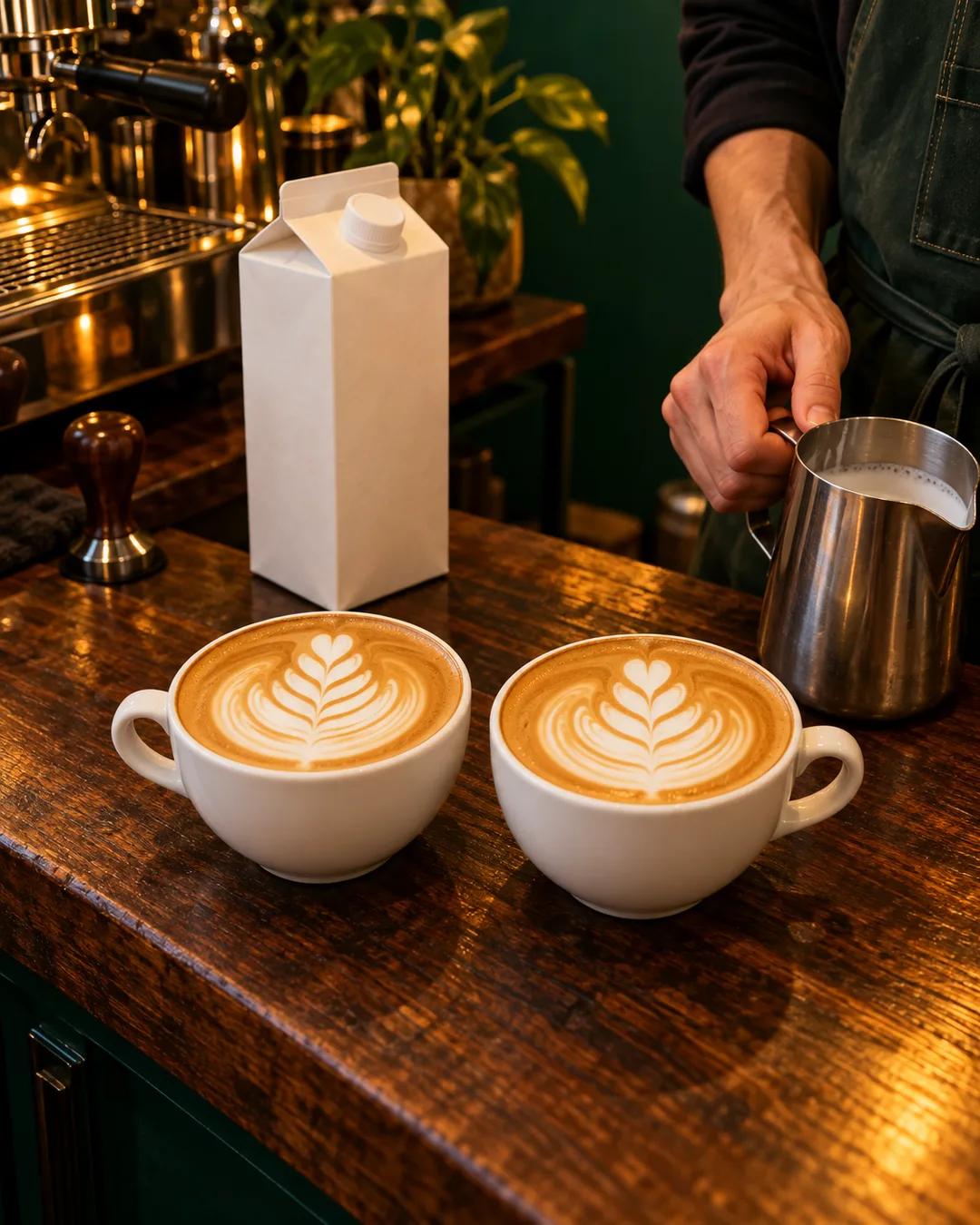
The team skipped grocery store sampling, with its tiny cups at the end of an aisle, and put the first taste inside a latte instead. Baristas became the sales team, making espresso drinks with dairy and Oatly side by side so customers could see that Oatly behaved much like dairy milk in coffee.
Within a few months, Oatly was all the rage in trendy coffee shops in Brooklyn. A barista would shout out an oat milk latte for someone in line, and people who heard it ordered one too.
From cartons to grocery shelves
Customers soon wanted it at home, and they asked the baristas for four cartons to go. Some of those buyers resold cartons online for astronomical sums, and one carton bought on Amazon in 2016 cost around $86 to be delivered to a house in Dallas, Pennsylvania.
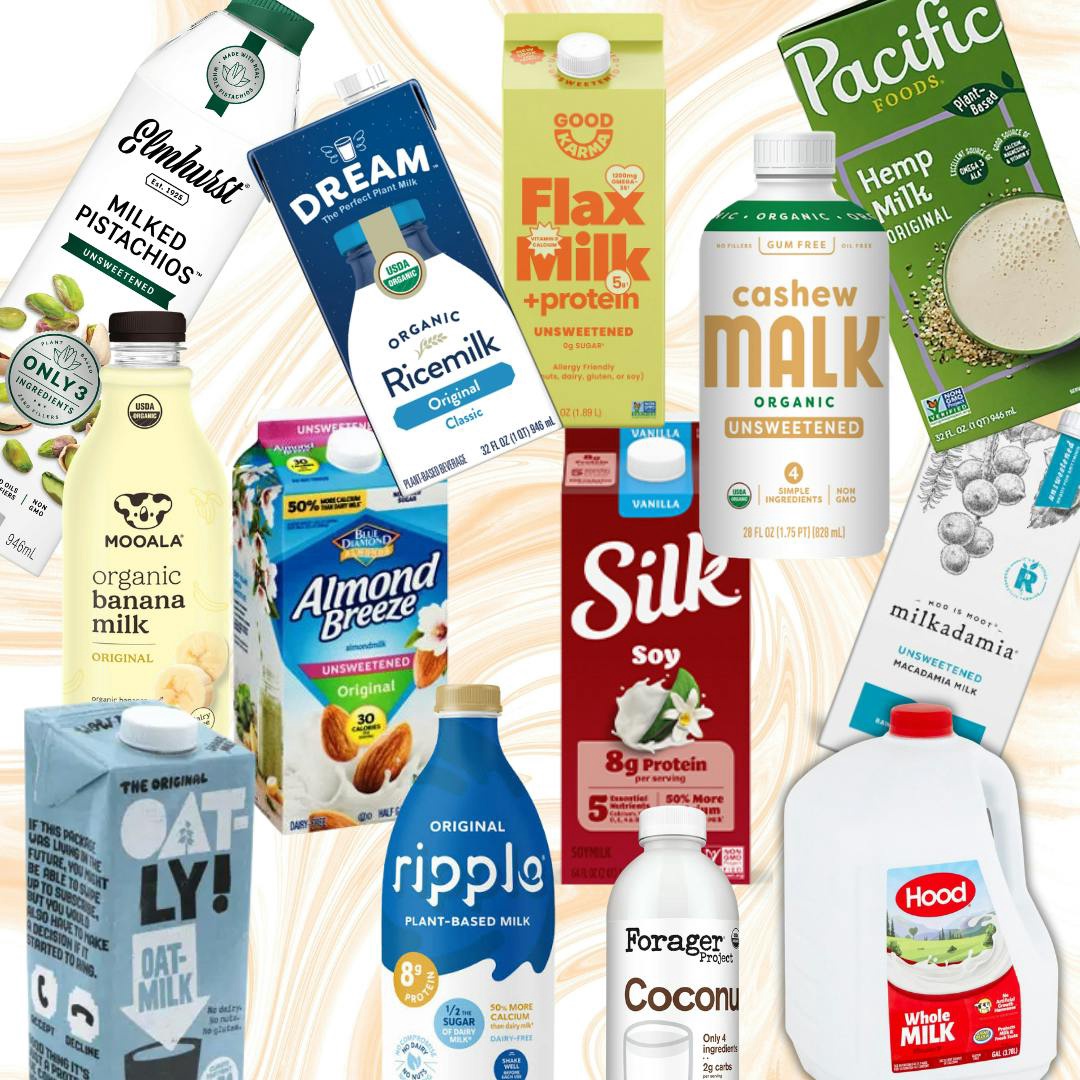
Once other people were making money off cartons of oat milk, Oatly moved into a few grocery stores in 2017, and by 2018 it was at Whole Foods nationally. Bigger players followed with oat milks of their own. Chobani sells one today, and so does Silk, the soy milk company.
Why does oat milk look gray-beige?
Cow's milk looks white because casein protein clusters and fat globules scatter all colors of visible light about equally. Oat milk is built from broken-down starch, fiber, and tiny fat droplets, and those particles scatter light less evenly, so the color reads duller. Heat treatment can add a slight tan through Maillard browning. Casein clusters measure roughly 100 to 200 nanometers across, the right size to scatter visible light.
How does steaming make milk foam?
A steam wand blasts air and heat into the milk at the same time. Heat unfolds whey proteins, which wrap around the air bubbles and hold them in place as a fine foam. Fat in the milk adds to the creamy feel of that foam. Baristas typically steam milk to somewhere around 60 to 65 degrees Celsius, because the foam begins to break down above about 70.
More from Gastropod