Korva is a scroll of the internet’s best ideas.
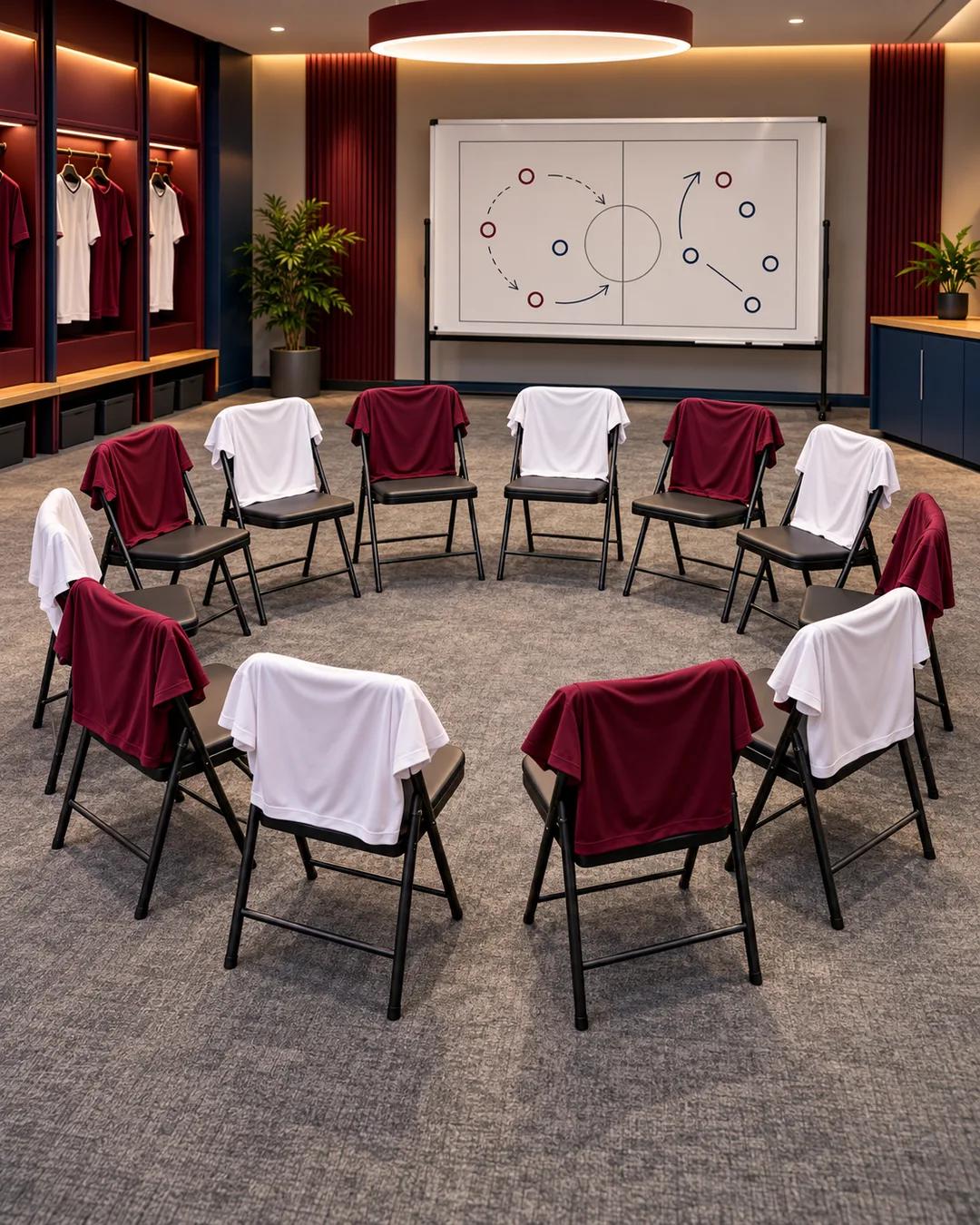
Offense sits next to defense

Musical chairs
Quinn told the offensive players not to sit together, and the defensive players not to sit together either. Each offensive player had to sit next to a defensive player, and each defensive player next to an offensive one, so they would get to know each other.
No fiefdoms
The message was that there are no fiefdoms. To be a team, players have to rely on each other: when the offense is down, the defense picks it up, and the reverse. That is very different from what happened under the last administration.
Quinn's second shot
Quinn is the former Atlanta Falcons head coach and Dallas Cowboys defensive coordinator. After losing the Atlanta job, he hired someone to help him diagnose everything that happened there and what lessons to take from it, and the owners saw that as a reason to give him a second shot.
Why does mixing groups reduce rivalry?
Muzafer Sherif's Robbers Cave experiment in 1954 split boys at a summer camp into two groups, which quickly developed rivalry and hostility. Mixing the groups in pleasant activities did little. Hostility fell when the groups had to work together on shared goals, such as fixing the camp's water supply. Gordon Allport's contact hypothesis, also from 1954, held that contact reduces prejudice when groups have equal status and common goals.
Why do football offenses and defenses work apart?
The NFL reinstated unlimited substitution in 1950, which let teams field separate units for offense and defense instead of players who stayed on the field both ways. Specialists could focus on one side, and coaching staffs split to match. Today offenses and defenses have their own coordinators, meeting rooms, and practice periods. Both units still share one roster and one scoreboard.
More from Joys of Compounding