Korva is a scroll of the internet’s best ideas.
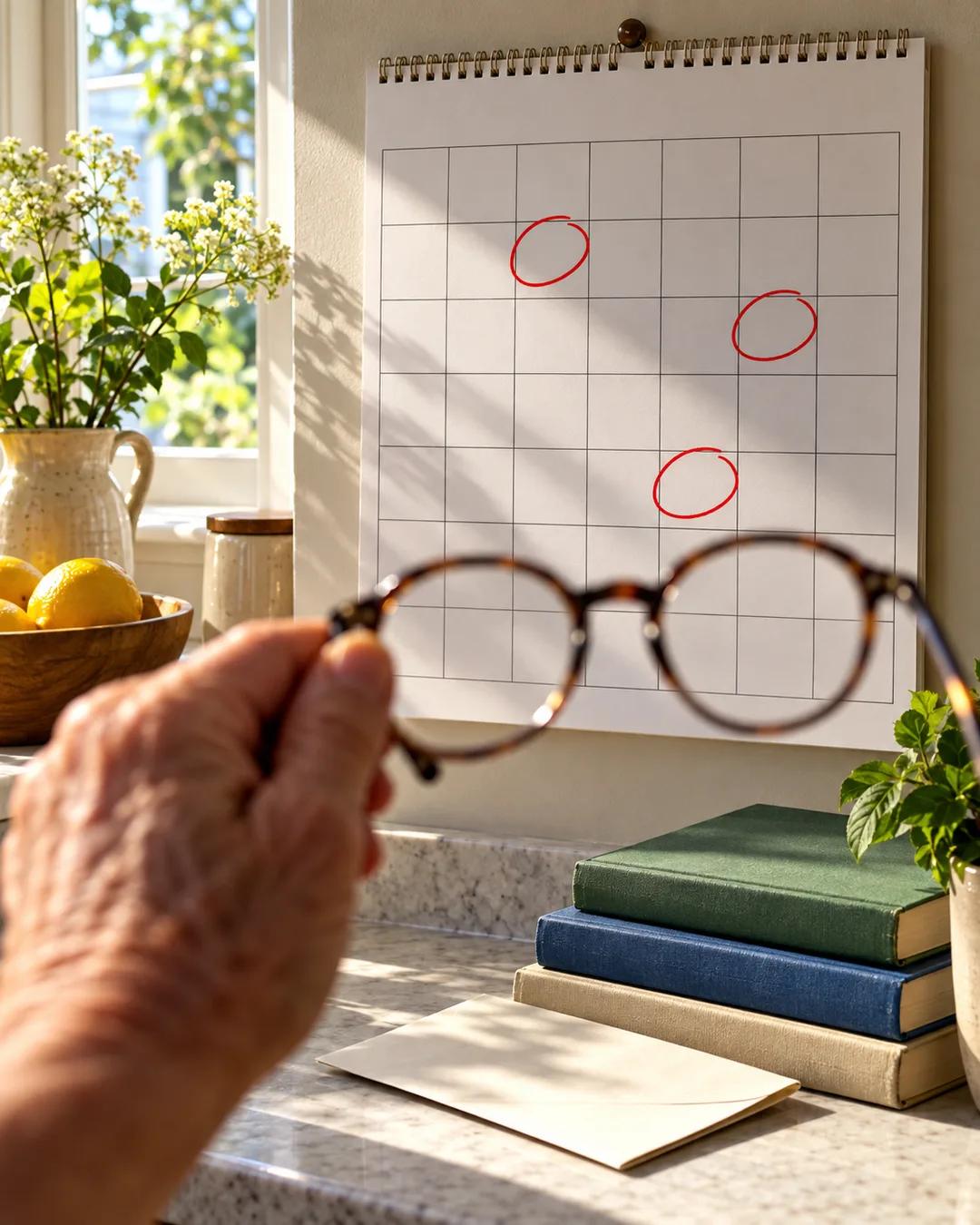
Older age means squinting for excitement

A mother in her later years realized that most of the advice she and her husband get about feeling happy points backward. People remind them what a great life they have had: the career success, the good kids, the memories. It isn't particularly helpful, because happiness isn't governed by the past.
The excitement for the future gets harder to see because the givens of earlier years are no longer guaranteed. Meaningful work, personal health, healthy loved ones, travel, and experiences all grow more uncertain with age, so the excitement is not as obvious as it once was.
Putting excitement on the calendar, big or small, makes it visible again: new hobbies, favorite books, planned trips. Past that, it takes squinting harder. The excitement is there, and it takes some effort to see it.
Why do older people often report staying content?
Psychologist Laura Carstensen developed socioemotional selectivity theory at Stanford. It holds that as people sense their time horizon shortening, they shift their goals toward emotionally meaningful experiences and relationships. Studies following people over decades have found that positive emotion often holds steady or rises into the seventies. Younger and older adults also differ in what they remember, with older adults recalling proportionally more positive material.
Does happiness really dip in midlife?
Economists David Blanchflower and Andrew Oswald analyzed survey data from dozens of countries and reported a U-shaped pattern. Reported life satisfaction was lowest on average in the late forties and rose afterward. The pattern appeared in data covering people from many income levels. Some later researchers have questioned how large the dip is, which is still debated.
Why do planned events lift mood before they happen?
A 2010 study in the journal Applied Research in Quality of Life, led by Jeroen Nawijn, found that vacationers were happier in the weeks before a trip than people who did not have one planned. The anticipation produced much of the boost, and the mood effect after returning faded within a couple of weeks. Researchers describe this as savoring, the pleasure of imagining an event in advance. Brain imaging work has linked anticipation of rewards to activity in the striatum, a region that processes reward.
More from Curiosity Chronicle