Korva is a scroll of the internet’s best ideas.

One of five clips changed everything
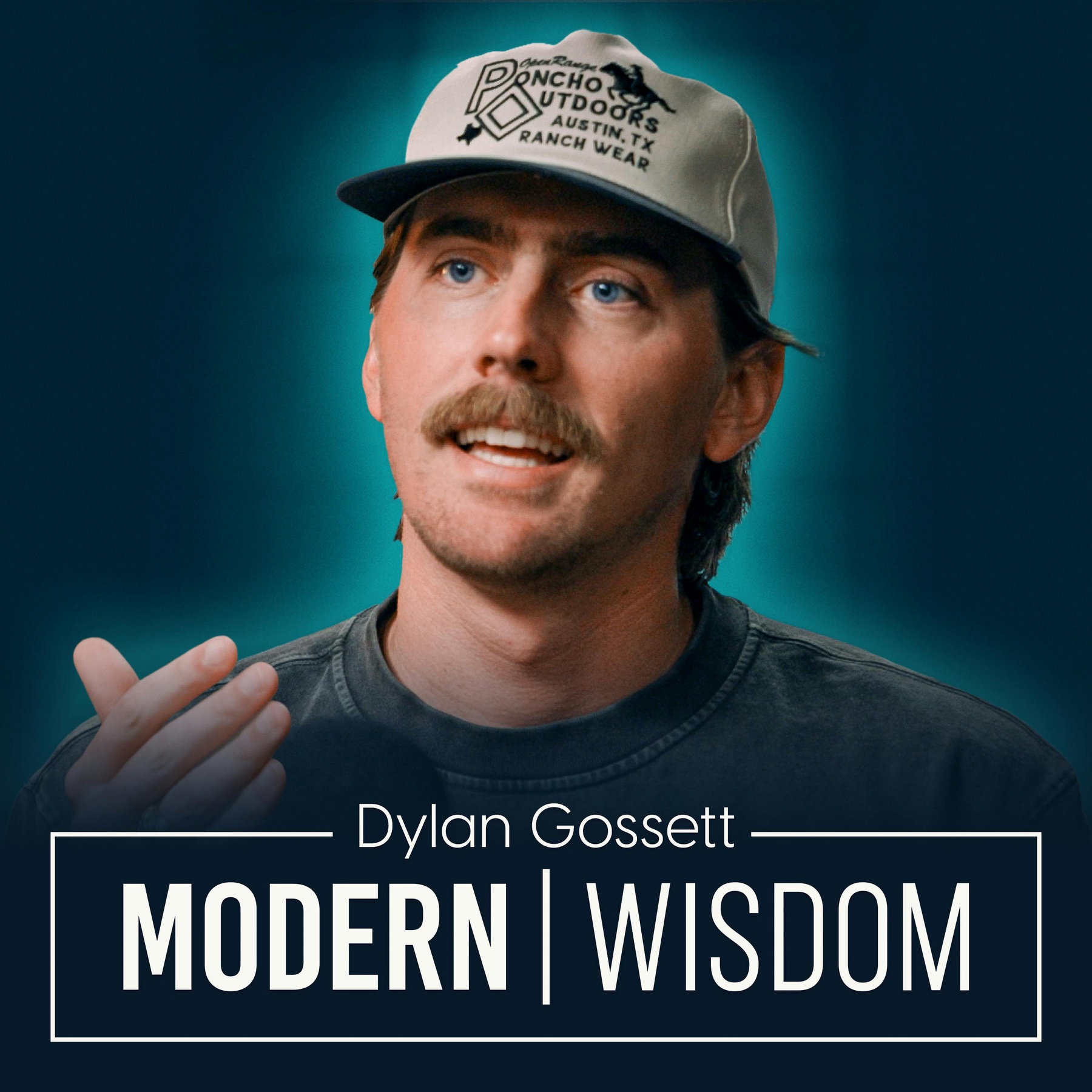
The second try
The first time Dylan Gossett posted Coal, nobody cared. He kept posting anyway, and he left the song alone until his first released song, To Be Free, had given him a little traction. Believing in the writing, he tried again with the clip from that day, and that video changed everything.
The TikTok playbook
TikTok music promotion at the time ran on fifteen-second clips that people could repost and dance to, with pre-saves stacked up and a release stretched across months. A twenty-second video gets far more views than a forty-five-second one, and the Coal clip ran long because its payoff came at the end. The strength of the song was the writing, and the line about seeing heaven without dying and meeting the devil without trying was the one he was proudest of.
What he skipped
The playbook he skipped called for waiting three months, building up pre-saves, and posting the song thirty more times. Coal went up about four times when it came out, and in total he has posted it seven to ten times. If the sky had been dark instead of sunny that day, or he had picked a different one of the five videos, the song might never have taken off.
Why did short clips dominate TikTok promotion?
TikTok's recommendation system weighs signals such as how much of a video people watch, and a short clip is far more likely to be watched to the end or replayed. Videos were originally capped at 15 seconds on the app, which shaped a whole style of clips built to loop. Songs spread when other users reuse the same audio, so a clip short enough to copy and repost carries a track further. The limit has since grown to several minutes, but the short format set the habits that music marketing followed.
Why do labels stack up pre-saves before release?
A pre-save lets a fan add an unreleased song to their streaming library, so the song appears there automatically on release day. That produces a burst of plays in the first hours, which makes a new release look strong right away. Billboard's charts count activity within a tracking week that runs from Friday to Thursday, so a concentrated launch lands inside a single chart week. New music is released globally on Fridays for the same reason.
Why does a late payoff keep people watching?
Economist George Loewenstein proposed in 1994 that curiosity comes from sensing a gap between what a person knows and what they want to know. A video that holds back its best line leaves that gap open until the end. Viewers who stay for the answer raise the video's completion rate, which is one of the signals short-video feeds use to rank clips. Loewenstein called his model the information gap theory of curiosity.
More from Modern Wisdom