Korva is a scroll of the internet’s best ideas.
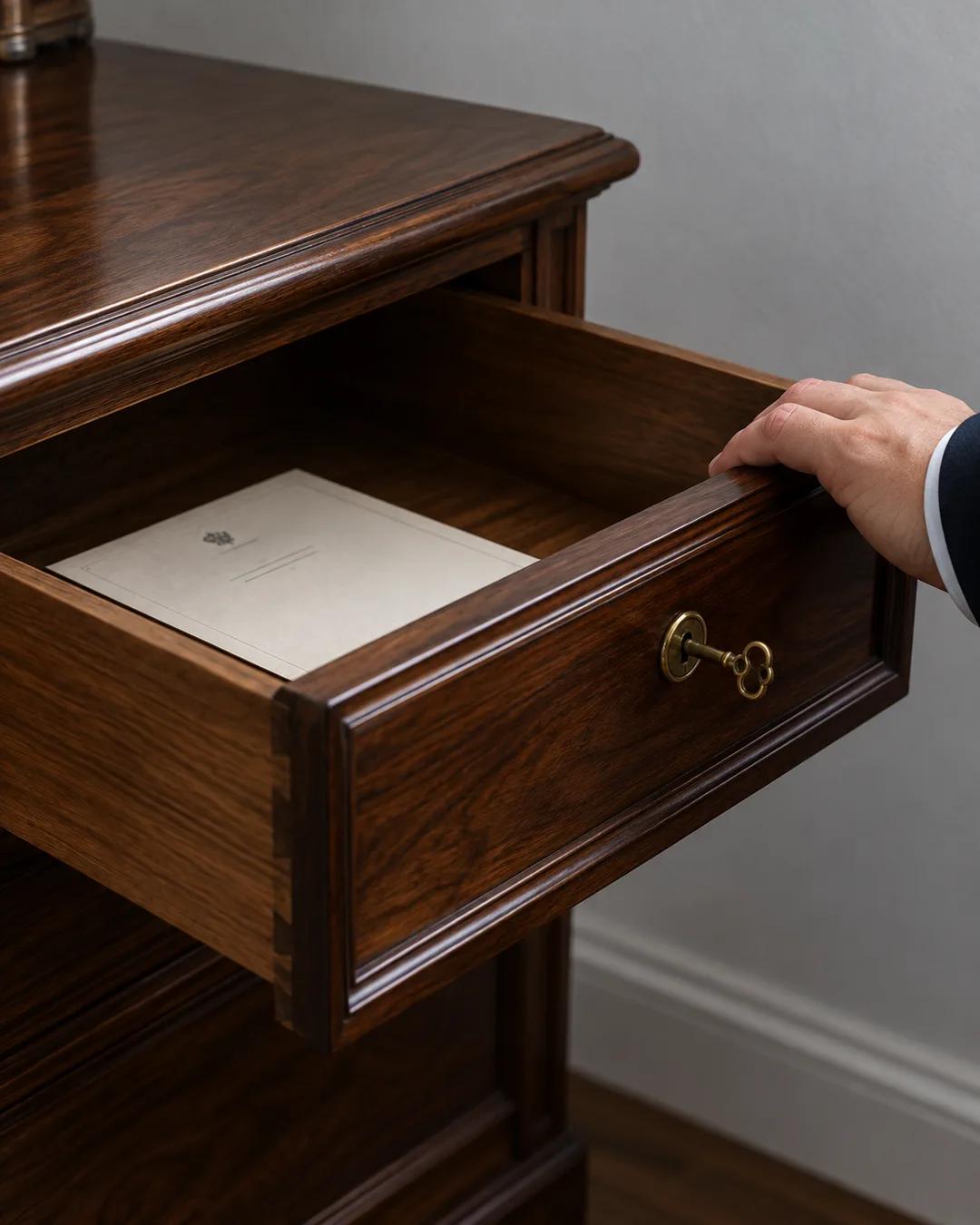
One person can kill a bill

Who decides what gets a vote
The speaker of the House chooses which bills that make it out of committee get to the floor for a vote, and the Senate majority leader does the same in the Senate. Either one can kill a bill by never letting it come up.
How the House pushes back
The House has a rarely used check on that power, the discharge petition. If a majority of House members sign a physical piece of paper, the bill is pulled out of committee and onto the floor for debate. That has happened only a handful of times since 1985.
The Senate and Hastert rule
The Senate has no discharge petition. If the majority leader does not want a bill voted on, there will be no vote, and the only check is election: voters putting a new majority party in charge.
The House also has an informal tradition called the Hastert rule. The speaker does not let bills come to the floor that lack the support of the majority party, even when the bill could theoretically pass.
How does a discharge petition force a vote?
House rules let a majority of members, 218 of the 435, sign a petition to pull a bill out of committee. Once it has enough signatures, and after a waiting period, a signer can ask the House to bring the bill to the floor. In 2002 a discharge petition forced the House to vote on the campaign finance bill known as Shays-Meehan. The bill passed the House and later became law.
Why does the Hastert rule exist?
It is named for Dennis Hastert of Illinois, who served as Speaker from 1999 to 2007 and said he would bring bills up only if most of his own party supported them. Leaders follow the practice to keep control of the agenda, since a bill that passes with minority-party votes over the majority's objection can look like a defeat for the leadership. The practice is informal and appears nowhere in House rules. Speakers have set it aside when a deadline or a crisis left them few options.
Why did speakers gain so much floor power?
Joseph Cannon, an Illinois Republican, was Speaker from 1903 to 1911, chaired the Rules Committee, and appointed the members of every committee. In 1910 a coalition of Democrats and insurgent Republicans stripped him of his seat on the Rules Committee and his power to make committee assignments. Speakers later regained influence through their role as party leader. Since the mid-1970s they have named the majority-party members of the Rules Committee.
More from Civics 101