Korva is a scroll of the internet’s best ideas.
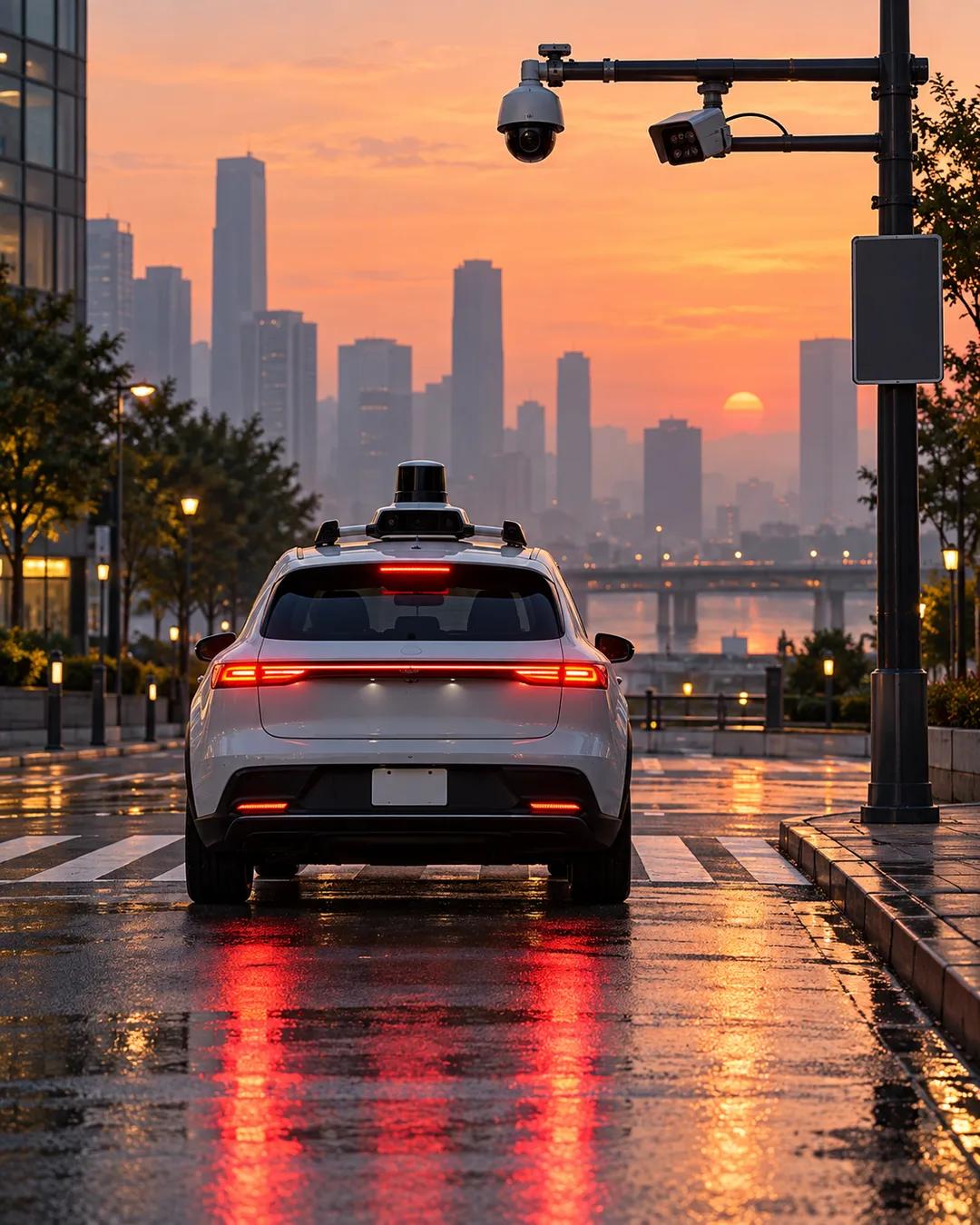
One video outweighs the safety stats

The numbers
Across US cities, people hit each other, hit objects, and hit other cars all the time, and 30,000 people a year die. Compared with that, statistically these cars are much safer, and as raw data the case is undeniable.
The emotional reaction
The emotional impact of seeing an automated car hit a person invalidates all of that for many people. The moment it happens it stops being about the numbers, and the reaction becomes that a robot car murdered a human and the whole thing has to stop.
Cameras everywhere
Waymo has hit a kid in Santa Monica at 7 miles an hour, a collision that could have been a lot worse. Cameras are everywhere, from grocery store lots to license plate readers, so a serious crash would likely be on video by default.
Why do vivid crashes outweigh statistics?
People judge how common something is by how easily an example comes to mind. A single video of a crash is easy to recall, while millions of uneventful trips leave no memory at all. Plane crashes work the same way, which is why flying can feel riskier than driving despite the data. The idea is called the availability heuristic, from a 1973 paper by Amos Tversky and Daniel Kahneman.
Why do people forgive human drivers faster than machines?
In a 2015 study, University of Pennsylvania researchers Berkeley Dietvorst, Joseph Simmons, and Cade Massey found that people lost confidence in an algorithm faster than in a human after seeing both make the same mistake. They named the pattern algorithm aversion. The effect held even when the algorithm outperformed the human overall.
How do insurers compare robotaxis with human drivers?
In a study done with Waymo and published in December 2024, the reinsurer Swiss Re compared roughly 25 million driverless miles with claims data from human drivers. It found 88 percent fewer property damage claims and 92 percent fewer bodily injury claims for Waymo. Insurers use claims data because it records every incident that costs money, whether or not police were called.
More from This Week in Startups