Korva is a scroll of the internet’s best ideas.
Only $25 million ever needed

The economics
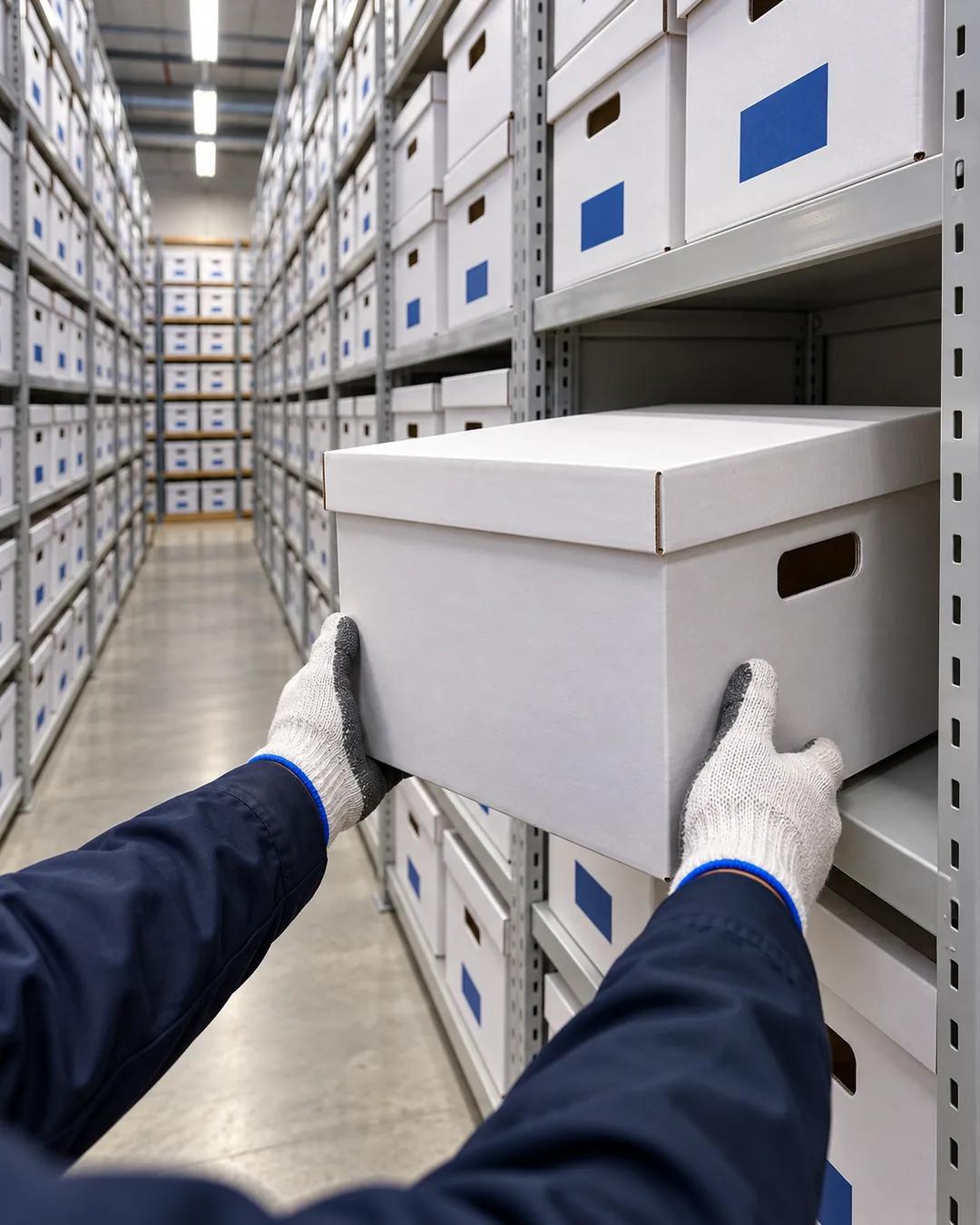
The business stored paper and electronic records, and its economics were exceptional. Customer churn ran in the low single digits. Consolidation paid well too: when the company bought a rival in a market and moved the acquired boxes into its existing warehouse, the margins on the revenue it picked up were 60 or 70 percent.
A chain of owners
The company was called Access, and its first CEO was Dennis Barnett, who had run an earlier company in the same industry. An investment firm owned it for eight or nine years, for a return of eight or nine times its money. Then it sold to a private equity firm, which sold to another private equity firm, which sold to another. The next owner made about 3X at every step.
Equity actually needed
Added up, the company needed about $25 million of equity. All of the other equity that went in was secondary, one firm buying out another, and none of it was needed for the company to keep growing. The holding companies this investor builds today copy that equity efficiency, with no sale, and grow through acquisitions as well as organically.
Why is records storage so sticky?
Companies often must keep records for years under retention rules, so boxes sit in storage far longer than anyone uses them. Customers pay a small monthly fee per box, which makes the bill easy to carry. Taking boxes out usually brings handling fees, and moving thousands of them to a competitor means paying for transport too. Records are tracked by barcode, so a move also means rebuilding the index of every box.
Why do acquired boxes earn such high margins?
A records warehouse's biggest costs are the building, the racking, security, and staff, and those costs stay fixed as the shelves fill. When a rival's boxes move onto empty shelves in a building the company already runs, the revenue arrives without a new building. Each added box brings rent income and little added expense. Shelf space that was already paid for is the main thing each new box uses.
More from Joys of Compounding