Korva is a scroll of the internet’s best ideas.
Panic arrives years before adoption

What the debate missed
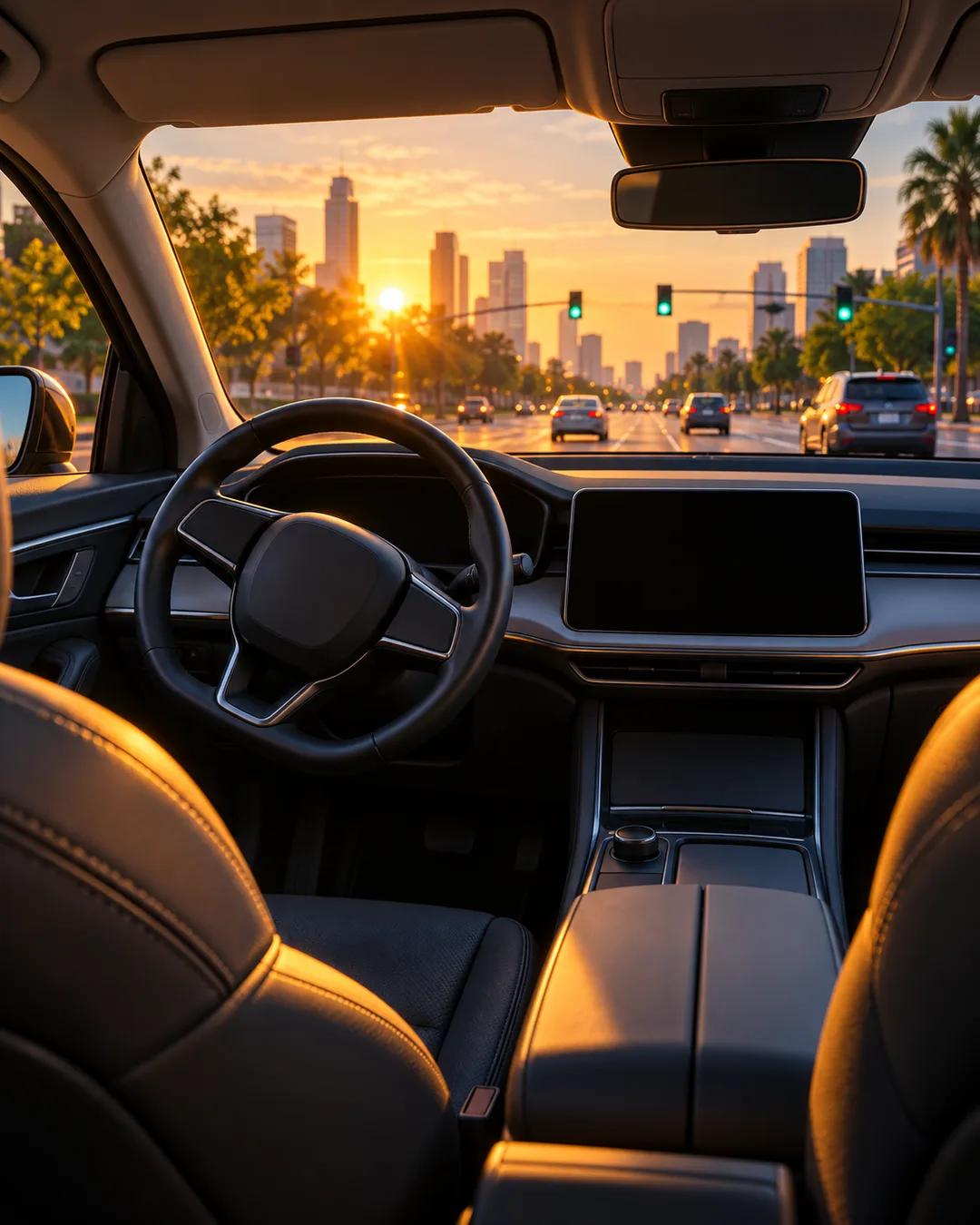
That conversation left out how many lives self-driving could save, about 50,000 a year, the toll of road deaths. Waymo now carries riders in San Francisco and can go on the freeway, where its failure mode used to be to stop. It now plans far enough ahead to pull over safely.
In China, self-driving trucks are reportedly starting to make long-distance journeys, and the technology has been tested in the US too.
Why nobody panics
People are not panicking because it hasn't reached the group of people it would put out of work. The future is here but not evenly distributed yet.
Why were freeways hard for driverless cars?
At 65 miles per hour a car covers about 29 meters every second, so the system must detect and judge objects farther ahead than on city streets. Stopping in a lane is dangerous on a freeway because following drivers expect traffic to keep moving. SAE International's J3016 standard, first published in 2014, describes the fallback as a minimal risk maneuver, such as pulling onto the shoulder.
How big was the 2016 Davos job forecast?
The World Economic Forum released a report for its 2016 annual meeting, The Future of Jobs, that projected a net loss of about 5 million jobs across 15 major economies by 2020. It counted about 7.1 million jobs lost and about 2 million created. The report named office and administrative roles as the largest source of losses.
Why did electricity take decades to pay off?
Economic historian Paul David described the delay in a 1990 paper, The Dynamo and the Computer. Factories had electric power from the 1880s, yet productivity gains showed up mainly in the 1920s. Early plants swapped a steam engine for a large electric motor and kept the old layout, and the gains came once factories were rebuilt around small motors at each machine.