Korva is a scroll of the internet’s best ideas.

Parents once expected to lose babies
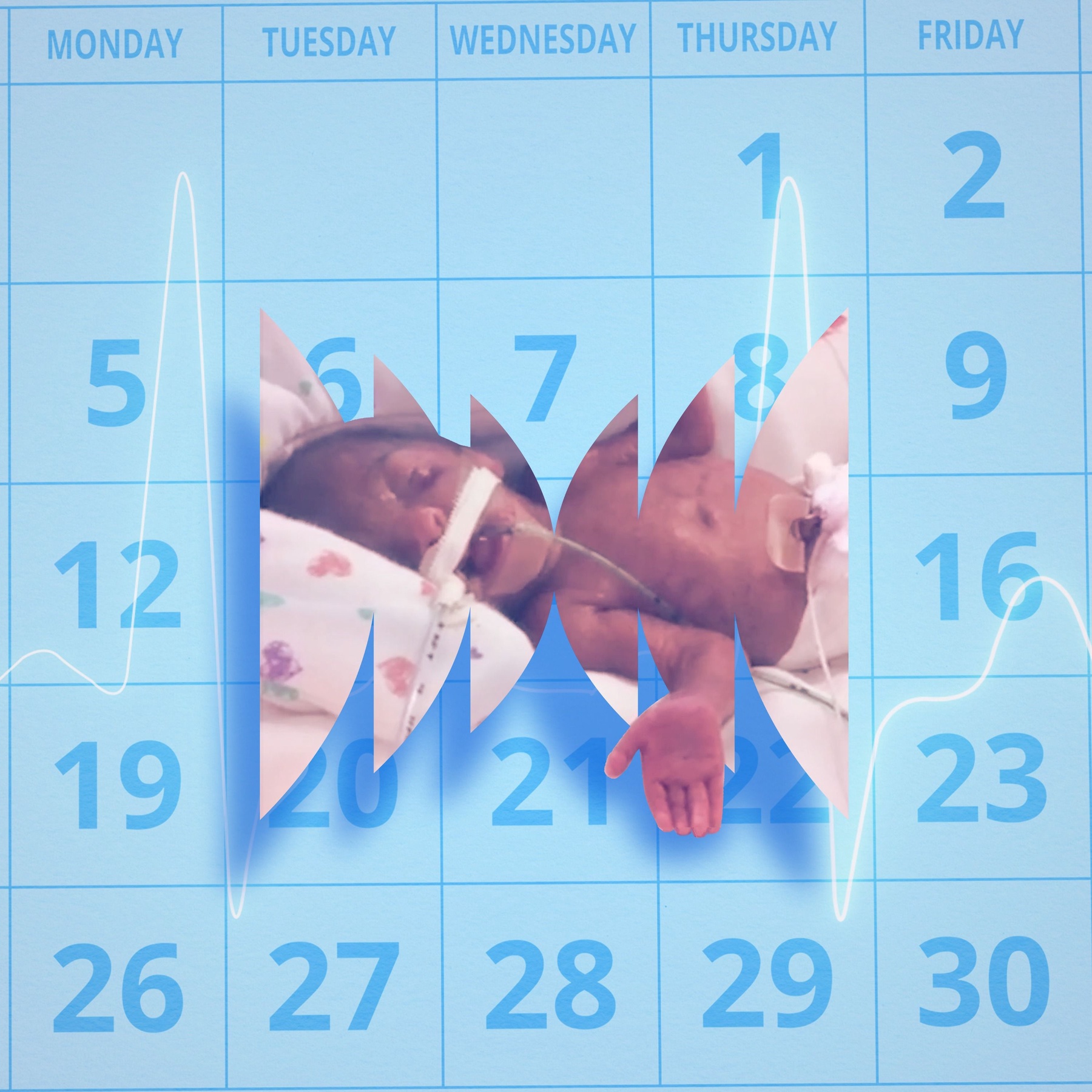
A loss families expected
In evolutionary history, newborn babies very frequently died. Most parents with any significant number of children had lost one or more. To carry on with life and provide for the rest of the family, people had to be able to adapt to the death of babies.
A very new kind of care
Neonatal intensive care is a very unnatural situation. It is so recent in the developed world that it still does not exist in much of the world, and working this hard to save babies is very new.
Hurt we now see
Now it has become much less common to lose a baby, including to miscarriage and stillbirth. As a result, people are realizing how much it hurts, and in the past some of that hurt may have been hidden from ourselves. Juniper French spent 196 days in such a unit, with her parents afraid to leave for even an hour to get lunch.
How fast did infant deaths fall last century?
The U.S. Centers for Disease Control and Prevention reports that around 1900 roughly 1 in 10 American infants died before their first birthday. Clean water, sanitation, vaccines, refrigerated milk, and antibiotics drove most of the decline. Today the U.S. rate is about 5 to 6 deaths per 1,000 live births.
What pushed America to build NICUs?
In August 1963, Patrick Bouvier Kennedy, the infant son of President John F. Kennedy, was born five and a half weeks early and died two days later of respiratory distress syndrome. The death drew national attention to newborn lung disease and added momentum to research funding. Dedicated neonatal intensive care units appeared in American hospitals in the 1960s.
Why is NICU care missing in much of the world?
A NICU needs trained nurses, ventilators, oxygen, incubators, and steady electricity, which many hospitals in low-income countries lack. The World Health Organization's 2012 Born Too Soon report found that more than 90 percent of extremely premature babies born in low-income countries die within the first days of life, compared with less than 10 percent in high-income countries.
More from Radiolab