Korva is a scroll of the internet’s best ideas.
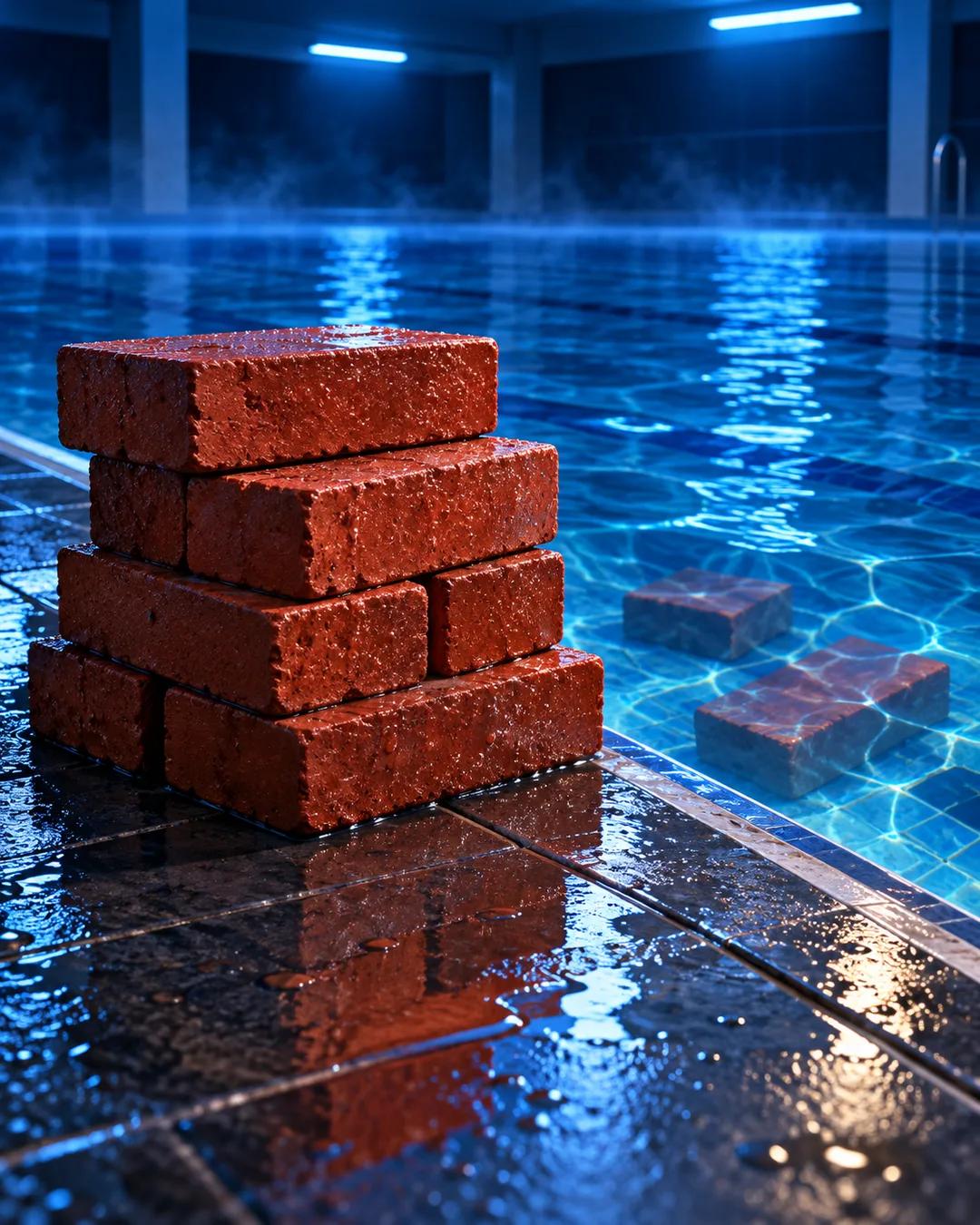
Passing bricks while treading water

The 800 Division
Recruits on the SEAL Challenge Contract spend two months at Great Lakes, Illinois, in a separate group called the 800 Division, still civilians and not yet even sailors. Their instructors were ordinary sailors, not SEALs, and they resented the recruits who showed up claiming they were headed to BUD/S. The line was that none of this compared to what came next.
The brick drill
At 5 AM the recruits lined up in a cold pool and passed bricks up and down the line while treading with no fins. Every so often they were handed two bricks at once. If anyone slacked, the bricks piled onto one person, and men sank toward blacking out. The instructors left them in until they were convinced they would drown, then it ended and they vomited on the pool deck.
Other punishments
Other punishments included marching around the room for hours in seven neoprene turtlenecks and standing at attention facing a wall for two or three hours, staring at paint. The instructors figured nearly all the recruits would quit anyway, which made them a safe group to flex around. BUD/S turned out to be worse.
Why does cold water exhaust swimmers so fast?
Water conducts heat away from the body roughly 25 times faster than air at the same temperature. In cold water the body pulls blood from the skin and limbs to protect the core, and chilled muscles and nerves slow down. The initial cold shock also triggers gasping and a spike in heart rate and breathing. Treading water with no fins keeps the legs working against the water the entire time.
Why does the Navy train recruits at Great Lakes?
Recruit Training Command at Naval Station Great Lakes, north of Chicago, is the Navy's only enlisted boot camp. Every Navy recruit passes through it since the Navy closed its San Diego and Orlando camps in the 1990s. The base opened in 1905 on the shore of Lake Michigan.
How does neoprene trap heat?
Neoprene is a synthetic rubber foamed with tiny closed gas bubbles. The gas pockets insulate because still gas conducts heat poorly, which is why wetsuits are made from it. Stacking several layers in a warm room keeps the body from shedding heat, so core temperature climbs. Divers wearing wetsuits out of the water in hot weather can overheat within minutes.