Korva is a scroll of the internet’s best ideas.
Patents expire before second uses appear
Why the trials don't happen
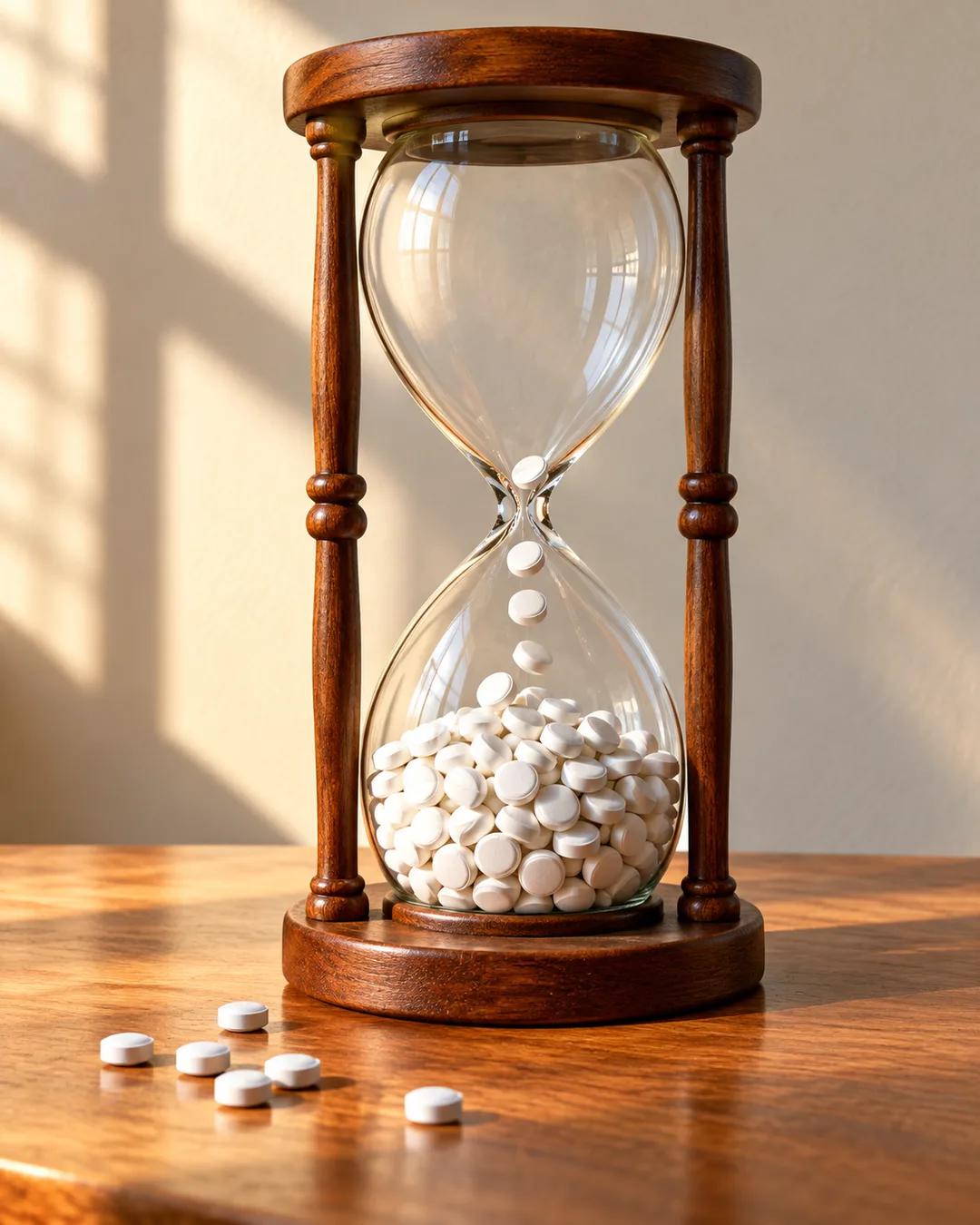
Off-label data takes a long time to build up. With aspirin it took decades. By the time evidence for a second use looks suggestive, the patent has often run out. Paying $75 million to confirm an effect that anyone can then legally sell gives a company little reason to run the trial. A paper found that drugs which spend longer in clinical trials reach the market with less patent life left, and they are repurposed less. Repurposing efforts decline over time after the first approval.
What exclusivity covers
The exclusivity rules offer only partial help. A patent runs 20 years from filing. After approval, the FDA adds five years in which only the maker can sell the drug for that condition, and a new use earns three more years of exclusivity, which helps only if generics haven't arrived. Antibodies and vaccines get twelve years of exclusivity rather than five, and they are harder and costlier for generic makers to copy, so small molecules are hit hardest.
The cost of the gap
Longer patents or longer exclusivity would mean higher prices for longer, and they do nothing for drugs already sold as generics. Economists estimate that the missing innovation is worth 100 to 400 billion dollars per year in social value.
Why do patents lose time during trials?
A patent is filed early, often before human trials begin, and a drug typically spends around a decade in development before approval. The Hatch-Waxman Act of 1984 lets a company restore part of the lost term, up to five years. Total patent life after approval is capped at 14 years. Those protections attach to the original approved drug, so a later second use rarely gets a fresh clock.
Why do biologics get twelve years instead of five?
The Biologics Price Competition and Innovation Act of 2010, passed as part of the Affordable Care Act, set twelve years of exclusivity for brand-name biologic drugs. Lawmakers weighed the higher cost and difficulty of developing and manufacturing large protein drugs. Copies of biologics are called biosimilars, because they are highly similar to the original rather than identical, and each needs its own approval.
Why don't generic makers fund new-use trials?
Generic makers win market share by selling a copy at a low price, with thin margins. Their path to approval, created by Hatch-Waxman in 1984, lets them show that their pill matches the original in the body instead of rerunning large trials. If a generic firm proved a new use, every competitor selling the same pill could share the benefit of the evidence. Once many makers sell a drug, competition pushes prices down toward the cost of making it.
More from Saloni Dattani