Korva is a scroll of the internet’s best ideas.
Penn turned down a perfect settlement
A Complaint Over a Letter
During the height of COVID, Penn's disaster relief organization, CORE, which stands for Community Organized Relief Effort, converted its Dodger Stadium testing site in Los Angeles into a vaccination site. A newspaper story about the operation was flattering, but it included a couple of anonymous comments from staffers complaining about working conditions. The complaints were directed at Mayor Garcetti.
Penn looked at the site as a paramilitary wartime operation and answered the comments with a letter to staffers: anyone not up for the work, which was important and done under intense pressure, did not have to work there. A labor lawyer in Los Angeles who was not himself aggrieved read that as an implicit threat, filed a charge with the NLRB on a novel legal theory, and the board decided to bring a complaint against Penn and CORE.
Turning Down the Deal
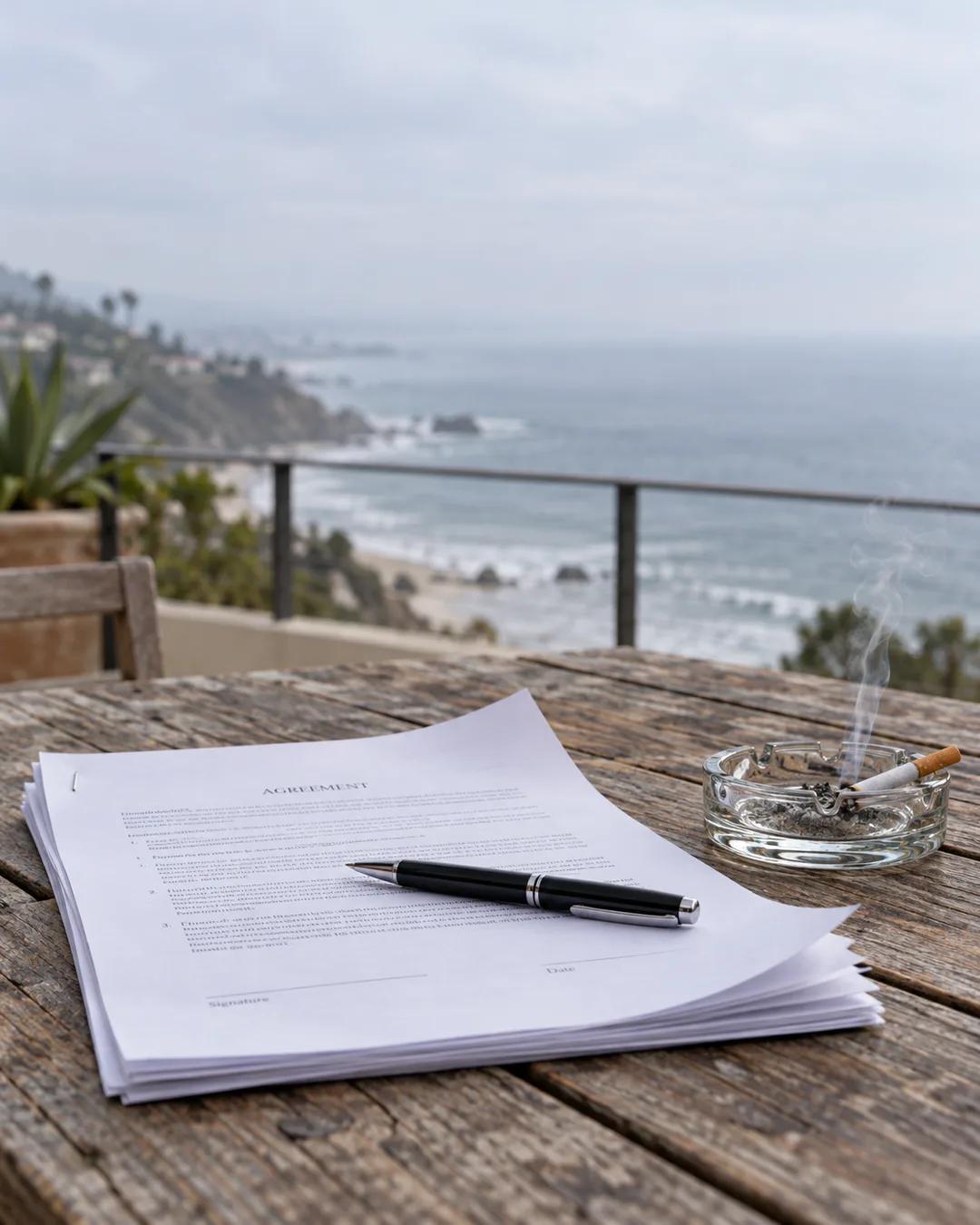
A year of settlement discussions produced a deal any corporate general counsel would have accepted: no fine, no monetary penalty, and no admission of wrongdoing. His lawyer, Mathew Rosengart, drove up to Malibu and recommended it. Penn thanked him, took a drag on a cigarette, and asked whether they could tell the government to go pound sand.
At trial, Penn was set to be the first witness. After the NLRB put on its case, his lawyer made a one-hour motion for a directed verdict, a motion that is usually a pro forma five minutes. That night Penn asked whether he would have to testify the next day, and the answer was to be prepared. The judge threw the case out on directed verdict.
How does a directed verdict end a case?
A directed verdict is a ruling by the judge, made after one side has presented its evidence, that no reasonable factfinder could decide for that side. If the judge agrees, the case ends without the other side calling a single witness. In federal civil courts the modern name is judgment as a matter of law, governed by Rule 50 of the Federal Rules of Civil Procedure. The test asks whether the evidence, viewed in the light most favorable to the party who presented it, is legally enough to support a win.
Why does labor law protect staff complaints about working conditions?
Section 7 of the National Labor Relations Act of 1935 protects employees who act together to improve their working conditions, even when no union is involved. Section 8 makes it an unfair labor practice for an employer to interfere with those rights, and the board has treated some threats as interference. The act covers most private-sector employers, and the board has applied it to many nonprofit organizations. The National Labor Relations Board itself was created by that same 1935 law.
How does an NLRB charge become a trial?
Anyone can file a charge with an NLRB regional office, and the office investigates it. If the regional director finds merit, the office issues a complaint, and the case goes to a hearing before an administrative law judge. The judge's decision can then be appealed to the five-member board in Washington. Most charges end in settlement or withdrawal before reaching a hearing, according to the NLRB's own published case statistics.
More from Original Jurisdiction