Korva is a scroll of the internet’s best ideas.
People decide faster than AI
Why AI Lags
Today AI works mostly with text and pictures, with little or no video. As it moves toward a worldview built on real time video and similar input, it takes more and more processing power, and keeping up gets harder. People have no such lag in how they see and interpret things. We consume real time visuals, understand them, and make a decision far more quickly.
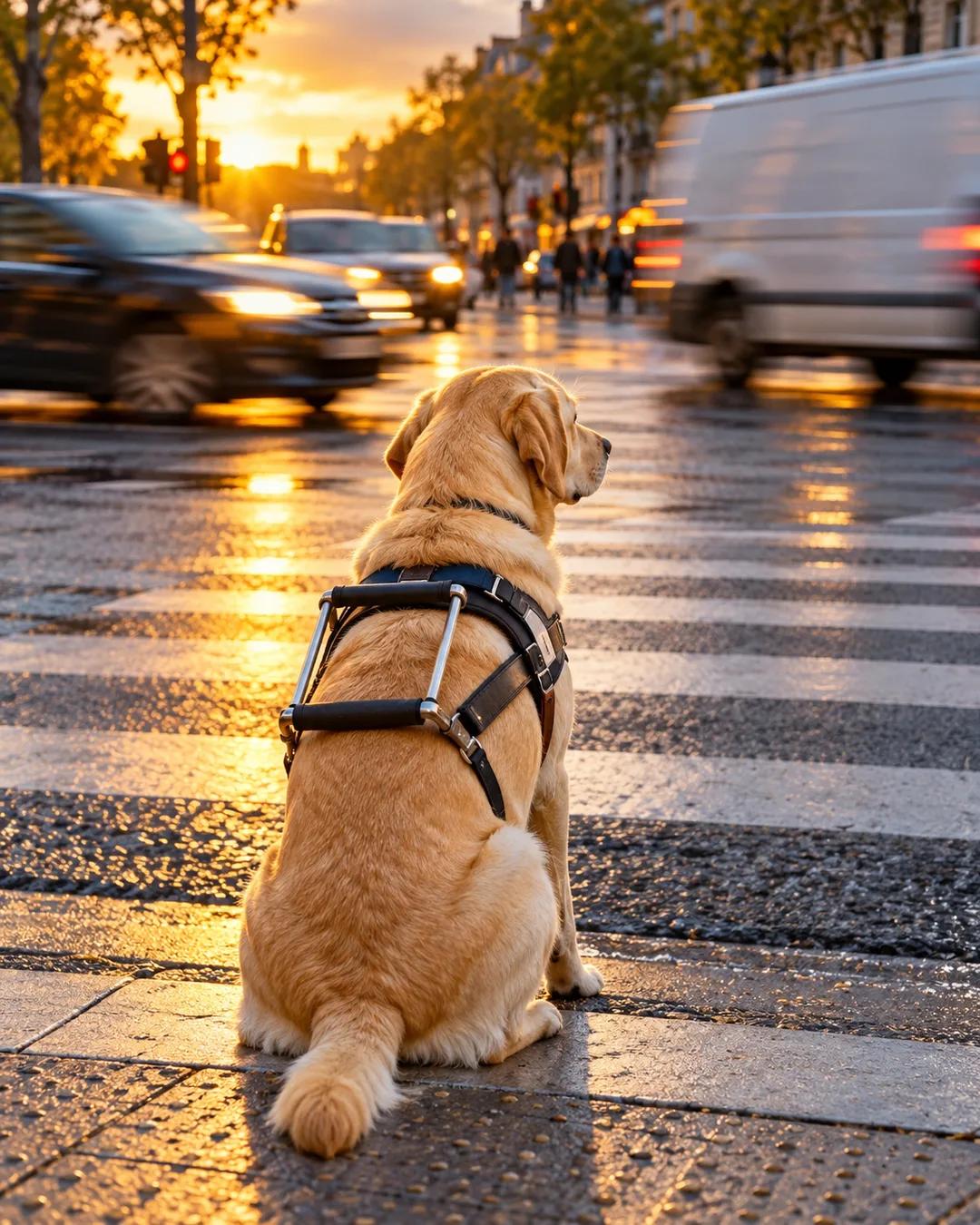
Picture standing at a four-way street corner with traffic moving through it. A seeing eye dog is a better bet than AI there, because the situation calls for interpreting information as it happens. Experience and personal touch still count for something.
Judgment and Consequences
Judgment is the second piece. Each person's judgment sits inside the context of their own life, so people looking at the same circumstances, particularly in personal interactions, don't reach the same conclusion. AI also doesn't understand the consequences of its actions, which makes it a tool for humans, and it won't replace them.
Why does video strain AI systems so much?
A single minute of video at 30 frames per second holds 1,800 images, and each one has to be processed. Many AI models use a mechanism called attention, where the computing needed grows roughly with the square of the input length, so longer inputs cost far more. Engineers cut the load by sampling only some frames or compressing each one. That is why many video models look at a few frames per second rather than all thirty.
How quickly can people recognize a scene?
A 2014 study led by Mary Potter at MIT found that people could identify an image shown for as little as 13 milliseconds. The images were flashed in rapid succession, and viewers were told in advance what to look for. Thirteen milliseconds is shorter than one frame on a 60 hertz display, which lasts about 16.7 milliseconds.
How do guide dogs handle traffic?
Guide dog programs commonly spend about two years raising and training each dog. Part of that training is called intelligent disobedience, in which the dog refuses a forward command from its handler when something is unsafe, such as an approaching car. The handler decides when to cross by listening to the traffic, and the dog watches for obstacles. The dog's refusal overrides the command until the danger passes.
More from 3 Takeaways