Korva is a scroll of the internet’s best ideas.
People set the rules of engagement

AI and human decisions
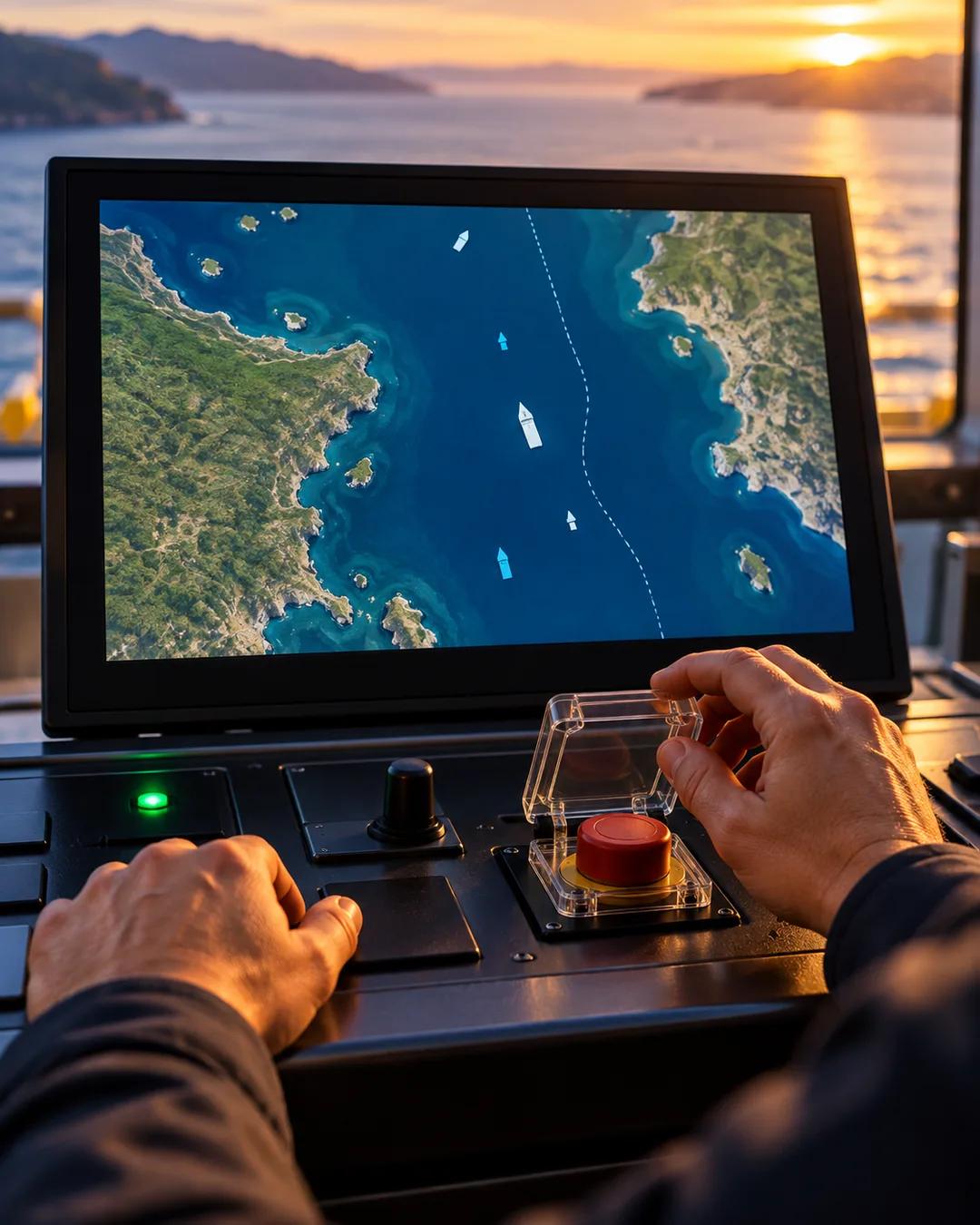
A standard for autonomous weapon systems lays out exactly how AI can be used on them. Even for boats sent to the Taiwan Strait, artificial intelligence separates an enemy vessel from a friendly one and a combatant from a non-combatant. People still make the decisions and set the mission intent.
Government policy sets when a boat is authorized to engage and when it is not. AI lets the military operate at a greater scale and more efficiently, and robots are not deciding when to go to war.
Policy built into software
Picture a full-scale conflict in the Taiwan Strait, with no fishing boats or cruise ships out on the water. Commanders can set the rule that any vessel that is not friendly is an enemy, and the software carries that threshold. The policy and approval thresholds are built into the technology, and they change with the threat environment.
What does US policy require for autonomous weapons?
Defense Department Directive 3000.09, first issued in 2012 and updated in 2023, governs autonomy in weapon systems. It requires that such systems allow commanders and operators to exercise appropriate levels of human judgment over the use of force. It also requires senior-level review before certain autonomous weapons are developed and fielded. The 2023 update tied AI-enabled weapons to the department's AI ethical principles, adopted in 2020.
How can a machine tell friend from foe?
Identification friend or foe, a system of coded radio replies, was developed in World War II alongside radar so that aircraft and ships could tell their own side apart. Commercial ships of 300 gross tons or more on international voyages must also carry an Automatic Identification System transponder under the SOLAS convention, which broadcasts their identity and position. Radar and camera classification add to those signals.
Why do rules of engagement change with the threat?
Militaries issue rules of engagement that set when and how force may be used, and national authorities adjust them as conditions change. The United States has issued standing rules of engagement for its forces since the 1980s, along with mission-specific rules for individual operations. Commanders can request that higher authority tighten or loosen the rules as a situation develops.