Korva is a scroll of the internet’s best ideas.
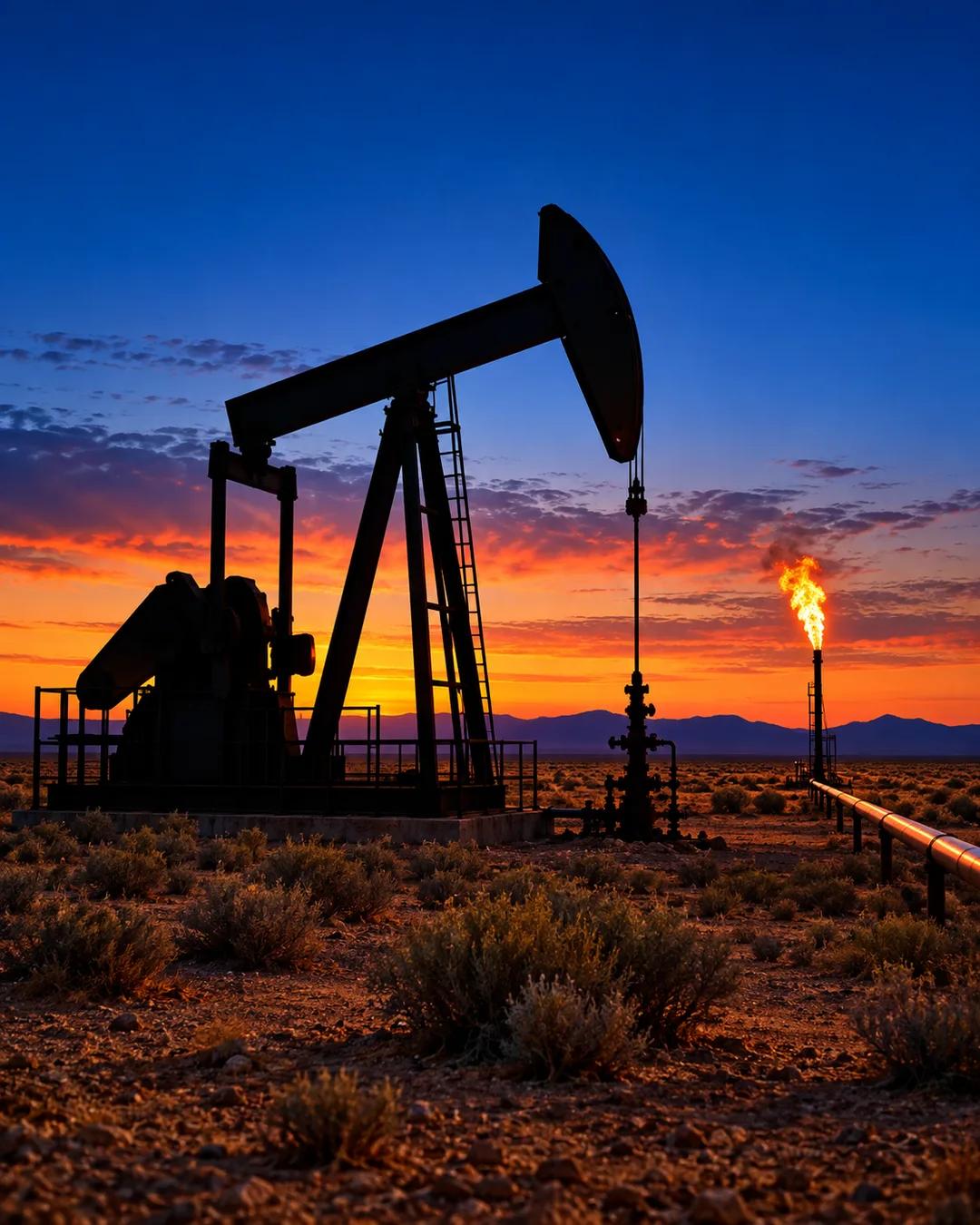
Permian gas won't rescue the supply

The Permian is an oil play. Drilling decisions follow oil, and gas comes along with it. The base case already counts more than 7 billion cubic feet a day of pipelines being built or developed there between 2026 and 2030. A new gas pipeline arriving before 2030 would be known about already, because of how long regulatory processes and construction take.
Oil was at $55 a barrel before the Iran conflict, and the incentive to produce more Permian gas didn't exist until then. Producing a lot more gas than those pipelines can carry would need much higher oil for longer, which would only worsen the consumer crisis. Power generation built next to Permian wells is also happening, but gas burned locally never reaches the pipeline downstream.
One wildcard is a step change in battery technology, such as sodium batteries, which are not commercial yet. Almost all economic battery deployment today is lithium ion, with a fast discharge cycle. A breakthrough would shift the winners and losers, and it would solve a problem that the analysis finds worrying.
Why is Permian gas a byproduct?
Permian wells are drilled mainly to produce crude oil, and gas flows out of the same wells as associated gas. Operators set their drilling pace according to oil prices, so gas output follows the oil rig count rather than gas demand. When pipeline space for gas runs short, producers have at times flared or sold the gas at very low prices.
Why do pipelines limit Permian gas?
Gas has to leave the basin through pipelines, and building one takes years of permitting and construction. When production grows faster than takeaway capacity, local prices at the Waha hub have dropped below zero. That signal shows that the constraint sits in transport, not in the supply of gas.
How are sodium batteries different from lithium ion?
Sodium-ion batteries use sodium, which is abundant and cheap, in place of lithium. They generally store less energy per kilogram than lithium-ion cells. Developers have worked on them as a way to lower cost and reduce dependence on lithium supply chains.