Korva is a scroll of the internet’s best ideas.
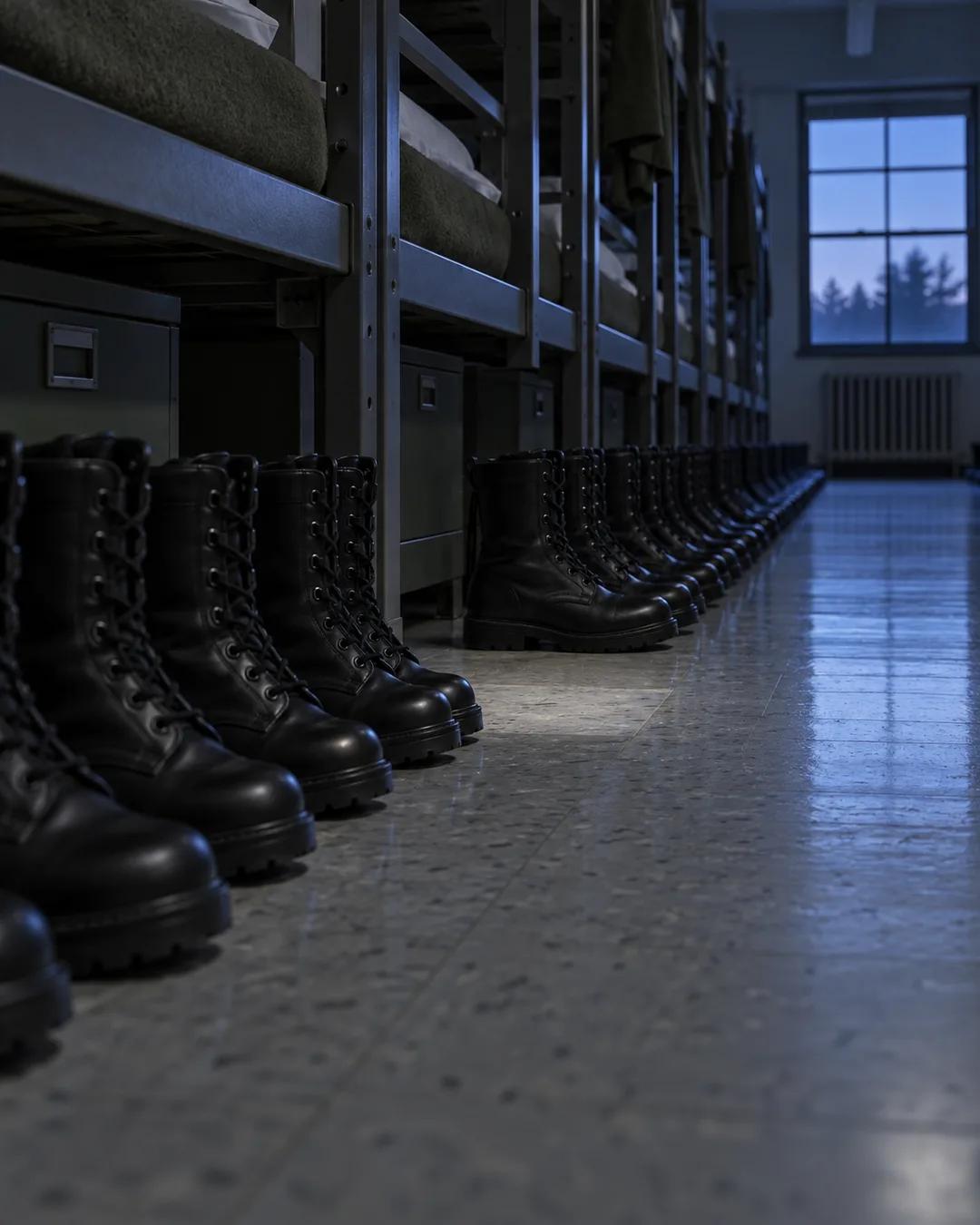
Pessimists dropped out of Beast Barracks

West Point is one of the most selective schools in the United States, and its new arrivals are highly qualified young men and women. In July, they begin six weeks called Beast Barracks, a stretch meant to break them. They are woken at 4:00 in the morning, sent on a 10-mile run, and systematically abused.
Martin Seligman and his colleagues measured the explanatory style of large groups of people and asked whether it could predict who would drop out. About a third of the candidates left, and the ones who left were the pessimists, the people who believed any setback was about them and would last forever.
The same split showed up in college grades. Optimists did much better than their talent predicted, and pessimists did much worse.
Why does shared hardship bond groups?
In a 2014 study in Psychological Science, Brock Bastian, Jolanda Jetten, and Laura Ferris had groups of strangers complete tasks such as holding a hand in ice water or doing wall sits. Participants who shared painful tasks reported stronger bonding with their group than participants who did similar tasks without pain.
Does anything else predict who finishes?
In a 2007 study, Angela Duckworth and colleagues gave a questionnaire called the Grit Scale to cadets entering West Point. Grit, defined as perseverance and passion for long-term goals, predicted who completed the summer training better than the academy's own admissions score, called the Whole Candidate Score.
More from Hidden Brain