Korva is a scroll of the internet’s best ideas.
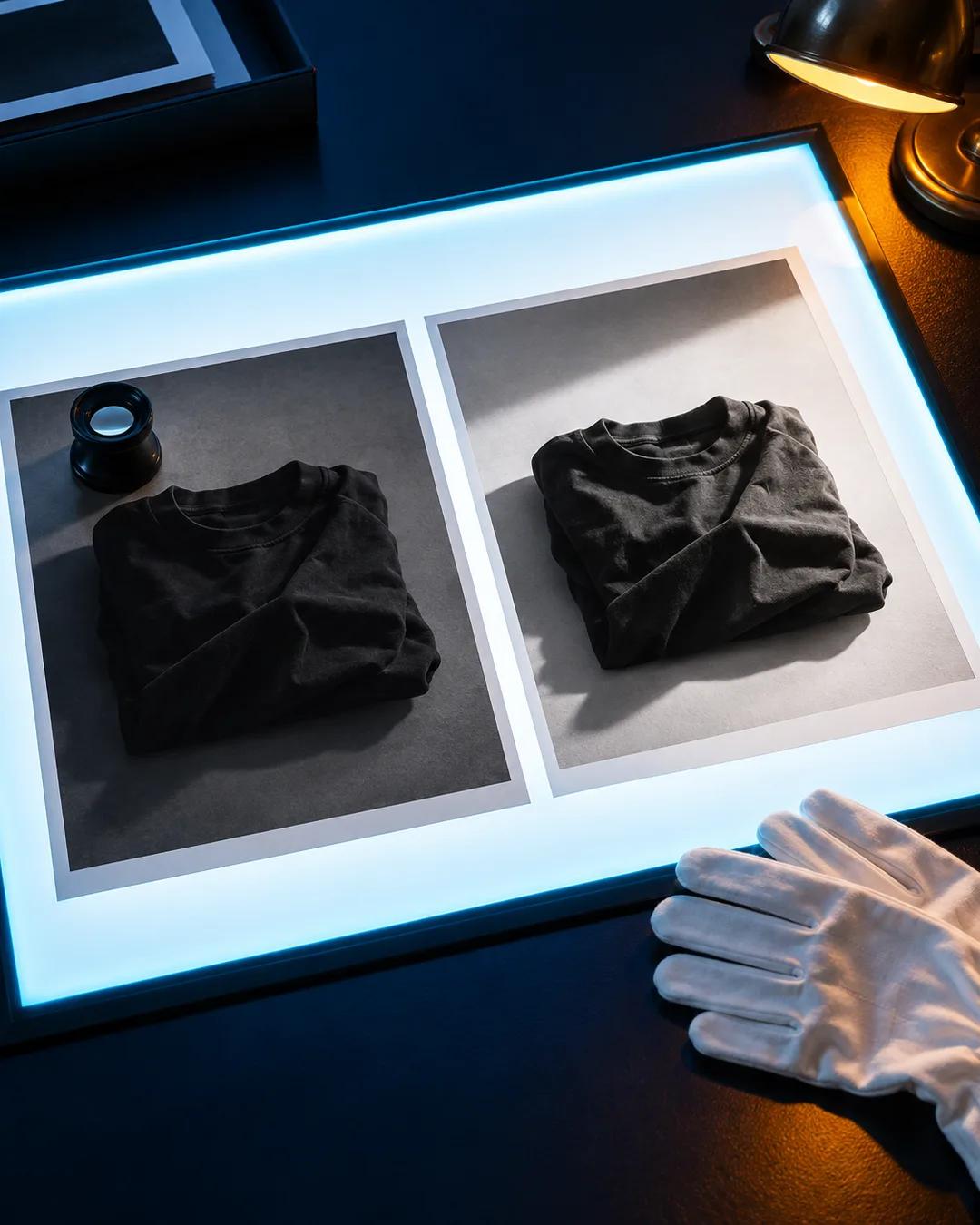
Photos taken at different times

The Parkland witnesses
Statements from 21 witnesses at Parkland reported a massive wound in the back of Kennedy's skull. Dr. Kemp Clark, a neurosurgeon, described a huge wound in the right rear of the head. Dr. McClellan testified to the Warren Commission that part of the cerebellum was blasted away. Doug Horn, who studied the case for the Records Review Board, notes that the treatment notes the doctors wrote on the day of the President's death match: a big blowout behind the right ear.
The archive photographs
Dr. David Mantic has made nine visits to the National Archives to examine the autopsy photographs. In the photographs of the back of the head, everything is intact. The hair looks freshly washed, with hardly any blood anywhere, and yet the shirt is totally soaked with blood.
The photo technician
Sondra K. Spencer, a petty officer in charge of the White House laboratory at the Naval Photographic Center, processed the photographs of the President's head taken during the autopsy in November 1963. In the 1990s, the Review Board questioned her about the photographs in the archives. Asked whether they correspond with the ones she developed in 1963, she answered no, and she judged that they had definitely been taken at different times.
How can a photo lab recognize its own prints?
Sheet film carries small notches cut into one edge, and the pattern of notches identifies the film type and manufacturer. Negatives also bear edge markings and frame numbers that stay with the image through printing. A technician who processed the original negatives can compare those marks, along with exposure and grain, against later prints. Military photographic labs kept logs of the film they handled so that images could be traced to a specific roll.
Where were the Kennedy autopsy photos kept?
The autopsy photographs and X-rays were transferred to the National Archives in 1966 under an agreement with the Kennedy family. The agreement placed restrictions on who could view them. Over the years, only a limited group of outside experts and officials were allowed to examine the collection. A review in the 1990s by the Assassination Records Review Board brought new witnesses into questions about the images.