Korva is a scroll of the internet’s best ideas.
Photoshop revealed the pregnancy test line
The treatments that failed
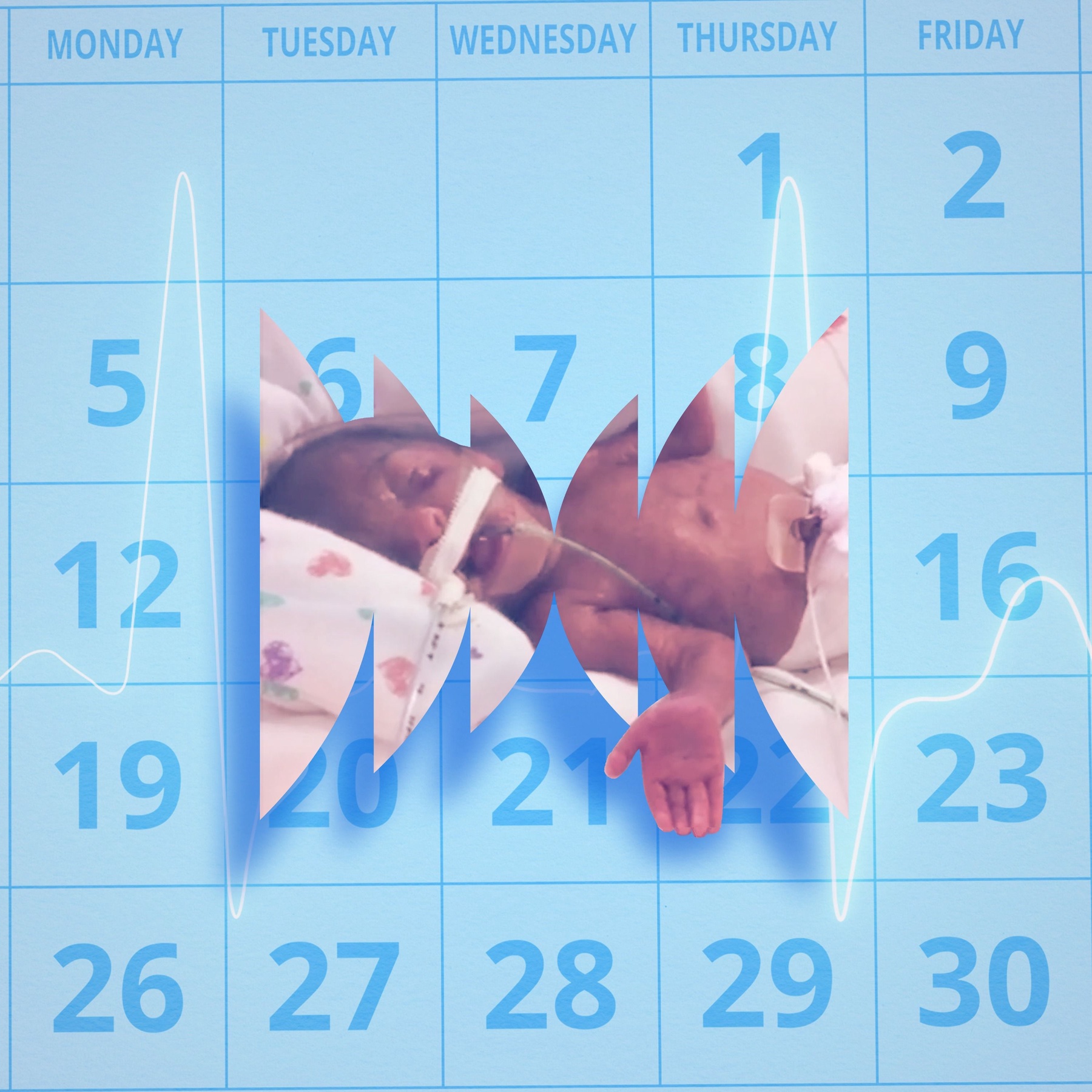
Kelly and Tom French expected pregnancy to happen right away, and it did not. They tried the regular way. Then she took drugs that make you drop a bunch of eggs at once, then the turkey baster method, then IVF three times. None of it worked.
The egg donor
The next suggestion was an egg donor: a friend donates an egg, it is fertilized with Tom's sperm in a dish, and it is placed in the womb. It seems to be the magic bullet in fertility. It is like replacing the whole engine when you don't know what is wrong with your car.
The faint line
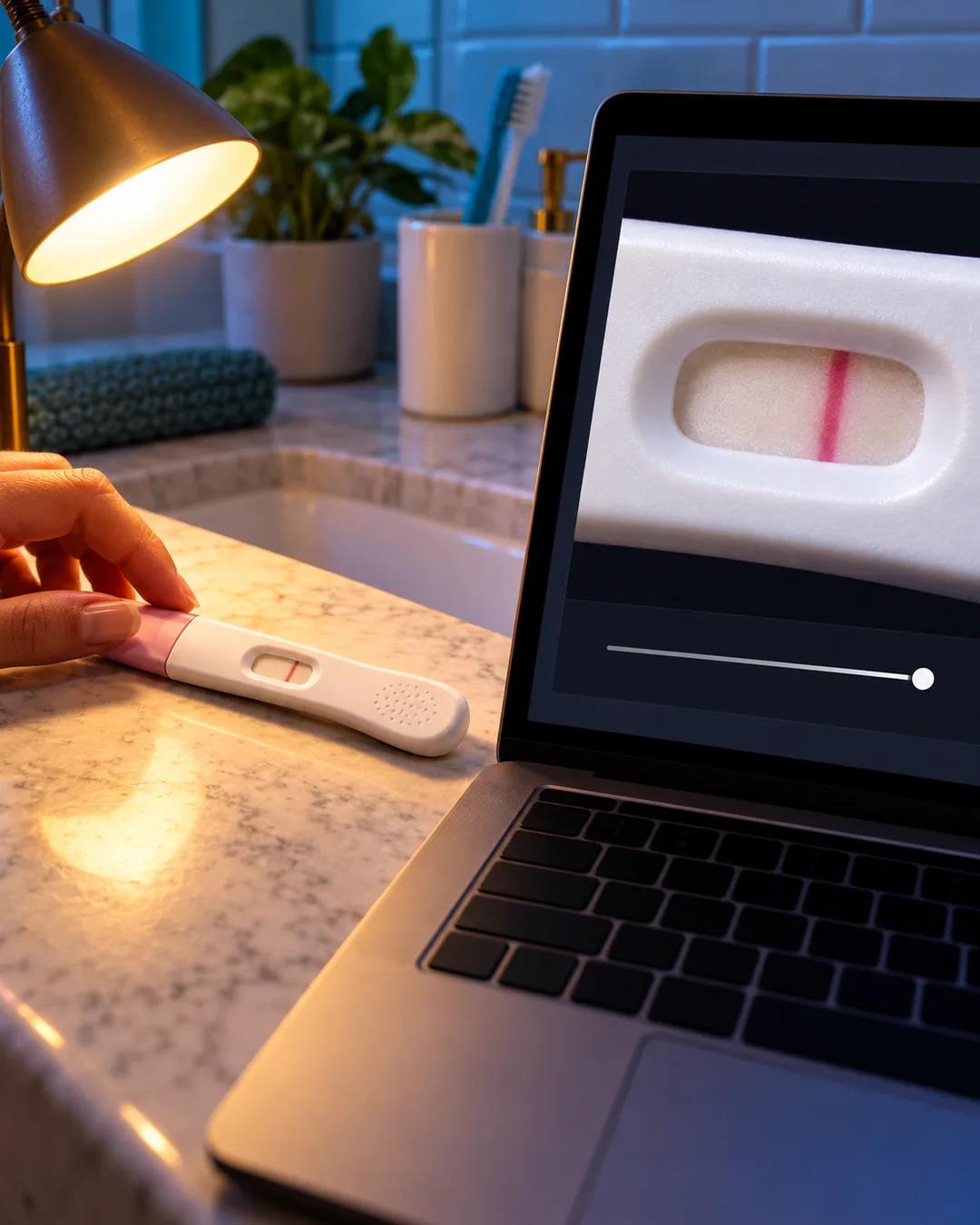
Kelly's good friend agreed. She tested way too early, and the line was so faint she wasn't sure it was there. She photographed the pregnancy test, put it into Photoshop, and dialed up the contrast until the line appeared. She thought she saw two lines. She waited and tested again, then told Tom. They touched up the paint and patched the little holes in the walls, and everything was perfect until it wasn't.
Why do donor eggs often work when others fail?
The main limit on fertility with age is egg quality. Errors in how chromosomes separate during egg formation become more common as a woman gets older, as Terry Hassold and Patricia Hunt described in a 2001 paper in Nature Reviews Genetics. Donor eggs usually come from women in their twenties or early thirties, so fewer of them carry those errors. U.S. Centers for Disease Control and Prevention data show donor egg cycles produce live births at higher rates than cycles using a woman's own eggs at older ages.
How do home pregnancy tests detect pregnancy?
Home tests detect human chorionic gonadotropin, or hCG, a hormone made by the placenta after the embryo implants. Antibodies in the test strip bind hCG in urine and form a colored line, which is faint when little hormone is present. In early pregnancy hCG roughly doubles every two to three days.
How did IVF begin?
Louise Brown, the first baby conceived through in vitro fertilization, was born in Oldham, England, on July 25, 1978. The work was done by the physiologist Robert Edwards and the gynecologist Patrick Steptoe. Edwards received the 2010 Nobel Prize in Physiology or Medicine for developing IVF.