Korva is a scroll of the internet’s best ideas.
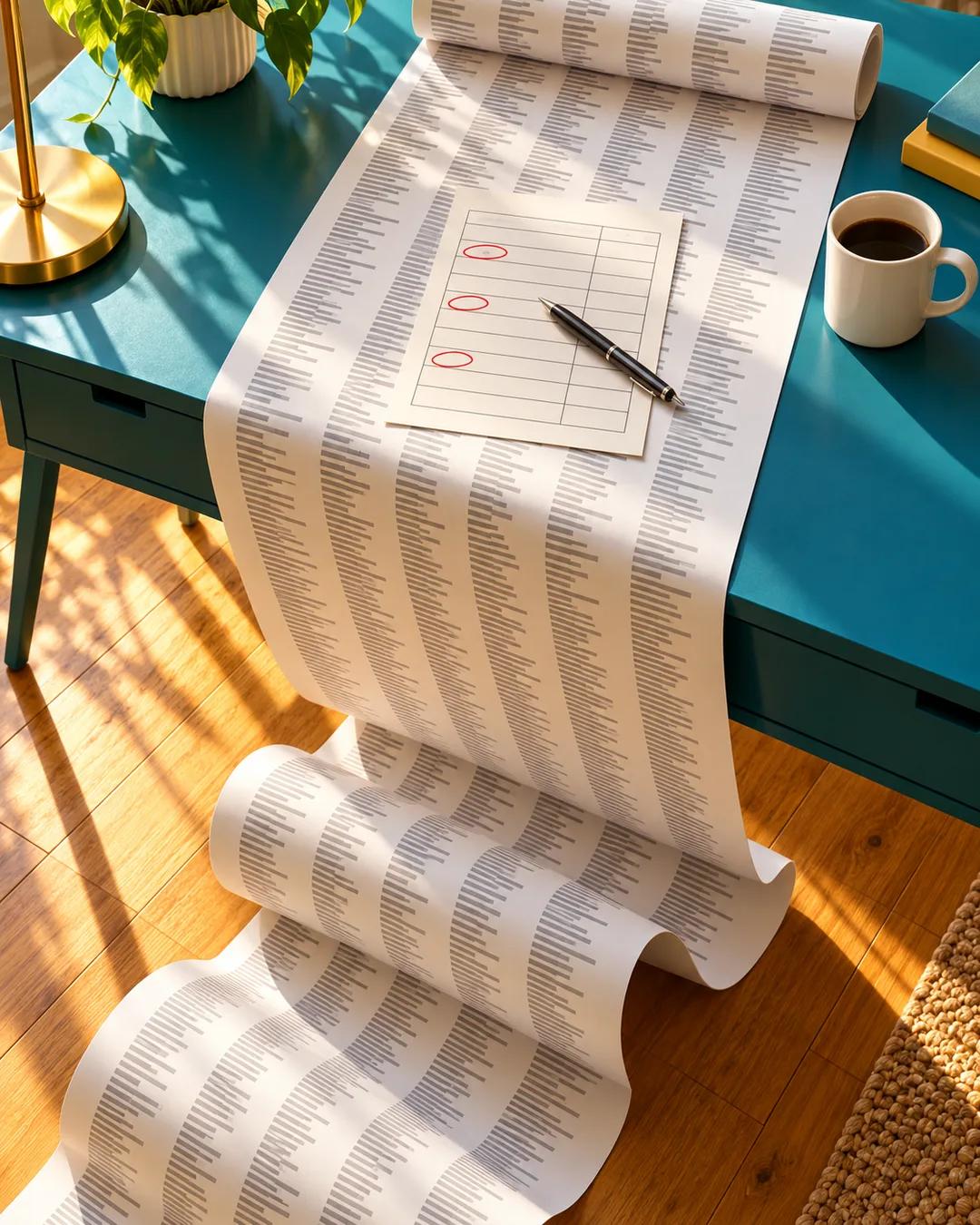
Planning shrank to a monthly spreadsheet

Why the roadmap went
The roadmap doc was kept deliberately light. It kicked off conversations and aligned the team, but three months in, so much had changed that it raised the question of whether anyone still referenced it. Six months was too long.
The monthly spreadsheet
Now planning covers a month, with no docs. A small spreadsheet lists the highest priorities, and each person brings the item they think addresses them. A quick weekly check confirms those are still the month's priorities. The whole team gathers every six months to kick off themes.
Killing old processes
Behind this sits explicit permission on the team to kill processes that no longer serve it. Pick one that is dreaded, noisy, expensive, or manual, and ask whether it still has its purpose. Even the spreadsheet should never feel like a tax, so the team is looking at how to automate it.
Why do long roadmaps go stale?
Plans rest on assumptions, and the further out a plan reaches, the more of those assumptions change. Prussian field marshal Helmuth von Moltke is credited with the idea that no plan survives first contact with the enemy. The Agile Manifesto of 2001 put the same lesson into software by valuing responding to change over following a plan. Short planning cycles fit that, because each one starts from what is currently known.
Where does just-in-time come from?
Just-in-time is a manufacturing approach developed at Toyota, where Taiichi Ohno built it into the Toyota Production System in the decades after World War II. Parts arrive exactly when the assembly line needs them, so there is little stock sitting idle. The goal is to cut waste, which Toyota defined broadly to include waiting and overproduction. Software teams borrowed the vocabulary for work that is planned close to when it is done.
How do teams decide which processes to kill?
Many teams hold regular retrospectives, meetings where members list what to start, stop, and continue. A process that people describe as dreaded, noisy, or manual is usually a candidate to stop. Automation can replace a process whose purpose still holds but whose effort is wasteful. Management writers call the unneeded rituals that pile up over time organizational debt.
More from Lenny's Podcast: Product | Growth | Career