Korva is a scroll of the internet’s best ideas.
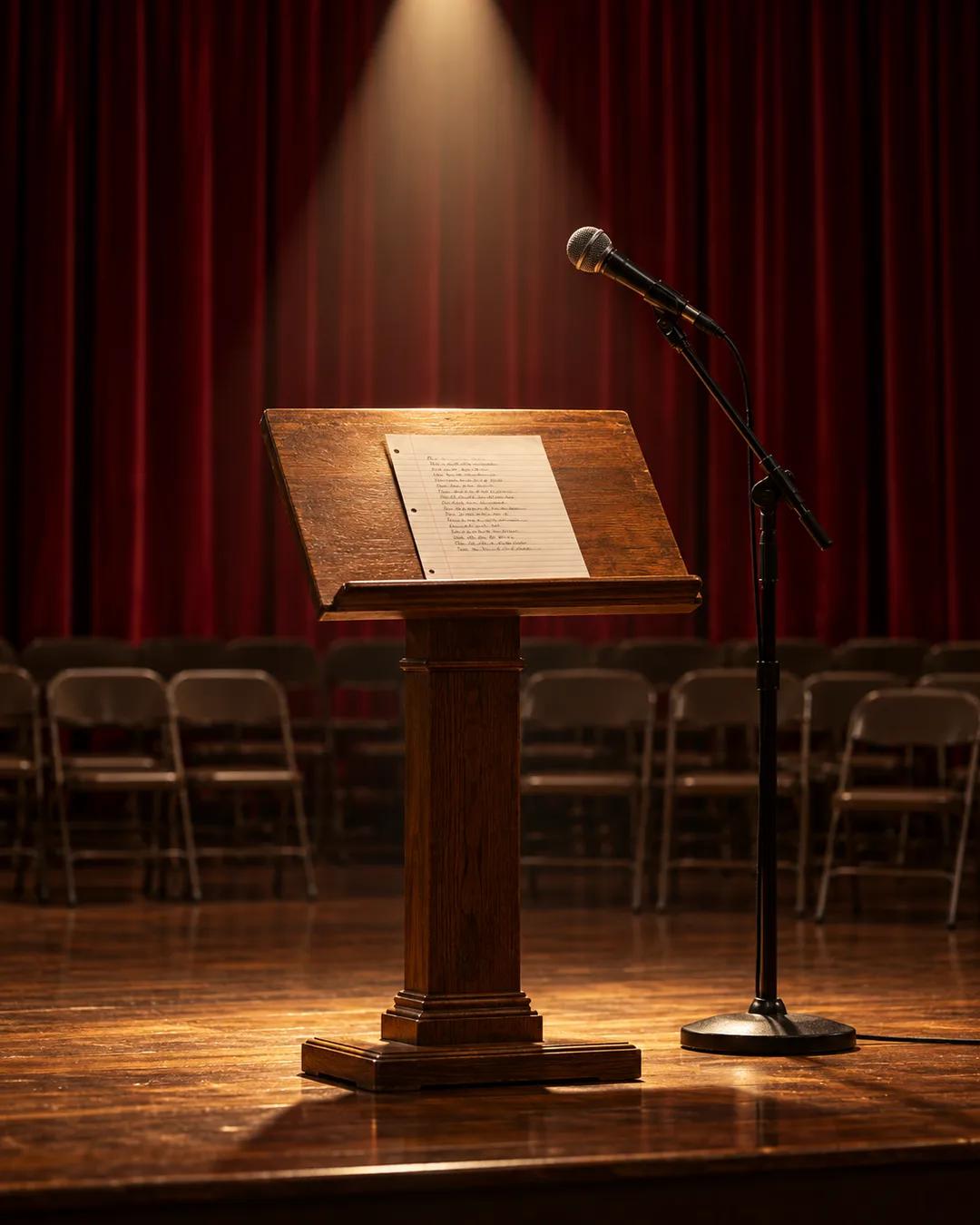
Poem against AI's ugly new words

A student against AI
Cordelia Violet Paapp, the student body president at Tallinn Pelgulinna State High School, is strongly against generative AI and language models. She considers the technology new and unstudied, with a lot that could go wrong, and thinks neither teachers nor students know how to use it well.
The poem's words
Her poem is about Estonian words that have been coined recently, so the English translation misses the point. It asks why the language needs terms for water bankruptcy, digital trash, smartsive, AI blunder, and brain rot. It calls the words so ugly, and asks what they are for, since nobody needs another way to express another woe.
Water and data centers
Water runs through her school's AI debate. Some students avoid the tools over the energy and water that data centers use. One of them remembers being told in third grade that Earth already has little drinking water, and now that water is used to cool servers.
Why do data centers need so much water?
Servers turn nearly all the electricity they use into heat, and that heat has to be carried away. Many data centers do it with cooling towers, where water evaporates and takes heat with it. Evaporating one kilogram of water absorbs about 2,260 kilojoules, more than five times the energy needed to heat the same water from freezing to boiling. Other facilities use air or liquid cooling loops, which use less water but more electricity.
Why is 'brain rot' suddenly everywhere?
Henry David Thoreau used the phrase in Walden in 1854, writing that England was trying to cure the potato rot while no one tried to cure the brain rot, which prevails much more widely. It resurfaced on social media in the 2020s to describe low-quality online content. In 2024, Oxford University Press named brain rot its Word of the Year.
How does Estonian coin new words?
Estonian forms new words largely by compounding and by adding suffixes to existing roots, so a new idea often arrives as one joined-up word built from familiar pieces. The language also has a history of deliberate invention: in the early 20th century, the linguist Johannes Aavik coined and promoted many new words, and a number of them are in everyday use today. Estonian is a Finnic language, closely related to Finnish and distantly related to Hungarian.
More from The Journal.