Korva is a scroll of the internet’s best ideas.
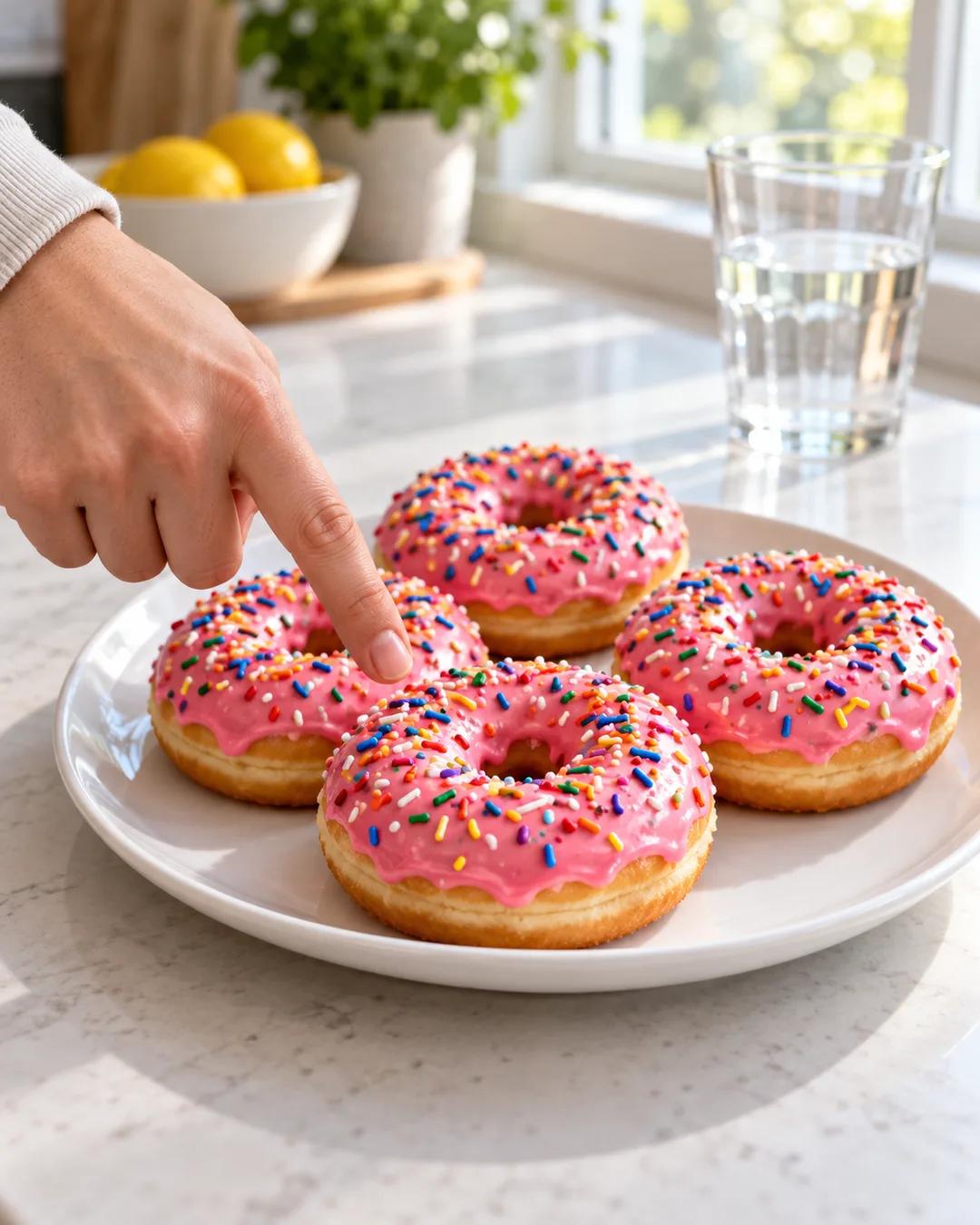
Point at the snack, say no

Breaking bad habits
Bad habits last because they run on autopilot. Nobody sets out to harm their life; they slip into it day by day through tiny actions that happen mostly outside the spotlight of the mind. Pointing and calling pulls the habit into that spotlight. Picture a hand pointing at a sugar-laden snack while its owner declares they won't eat it because it isn't helping their body feel its best.
The same move works on the couch and the phone. Pointing at the couch and declaring the walk won't be skipped, because getting outside always feels great, puts the choice in plain view. Pointing at the phone and declaring there will be no hour of Instagram, because it leaves a person feeling not enough, does the same. It won't win every time, but it forces the habit into the conscious mind and makes the behavior significantly less likely.
Building good ones
Building a good habit is harder when it isn't part of someone's standard practices, and harder still without the feeling of momentum from doing it. Pointing and calling supplies that feeling up front. Picture a hand pointing at running shoes and promising to put them on and get out the door, because starting always feels great. Or at the groceries in the fridge, promising a healthy meal instead of takeout. Or at a lock box, promising to put the phone inside for two hours to be more present with family.
Each call-out connects with the positive behavior and recalls how it feels afterward. That hands over the win before the habit even starts, and the win makes getting going more likely.
Why do habits run on autopilot?
The brain hands repeated behaviors to systems that need little conscious effort, which frees attention for other things. A diary study by Wendy Wood and colleagues in 2002 found that people did about 43 percent of their daily behaviors almost every day in the same place, often while thinking about something else. Habits form because a cue, such as a time or a location, becomes linked to an action through repetition. Once the link is strong, the cue alone can trigger the action.
Why does saying a plan aloud help follow-through?
Psychologist Peter Gollwitzer studied what he called implementation intentions, which are specific plans that link a situation to a response. A 2006 meta-analysis by Gollwitzer and Paschal Sheeran covering 94 studies found that these plans had a medium to large effect on reaching goals. A clear plan hands the decision to a cue in the environment instead of leaving it to in-the-moment willpower. Saying the plan out loud makes it more concrete and more memorable.
How does expecting a reward get people moving?
Neuroscientist Wolfram Schultz recorded from dopamine neurons in monkeys in the 1990s and found they fired most strongly to cues that predicted a reward, not only to the reward itself. That signal helps drive motivation to start an action. A cue that calls up the expected payoff can therefore produce that early push. This anticipation signal is one reason a habit can pull a person toward it before it has even begun.