Korva is a scroll of the internet’s best ideas.

Budget gone early
Uber went through its AI budget in the first few months of the year. A budget number set in November is a guess for a tool whose usage is growing vertically, and usage came in higher than expected.
One combined pool
With a combined pool, a CTO could be given a headcount budget of X and a compute budget of Y and told to spend X plus Y as they see fit. More spending on inference means fewer heads, while more engineers may pay off if their new products compound in value.
Routing and visibility
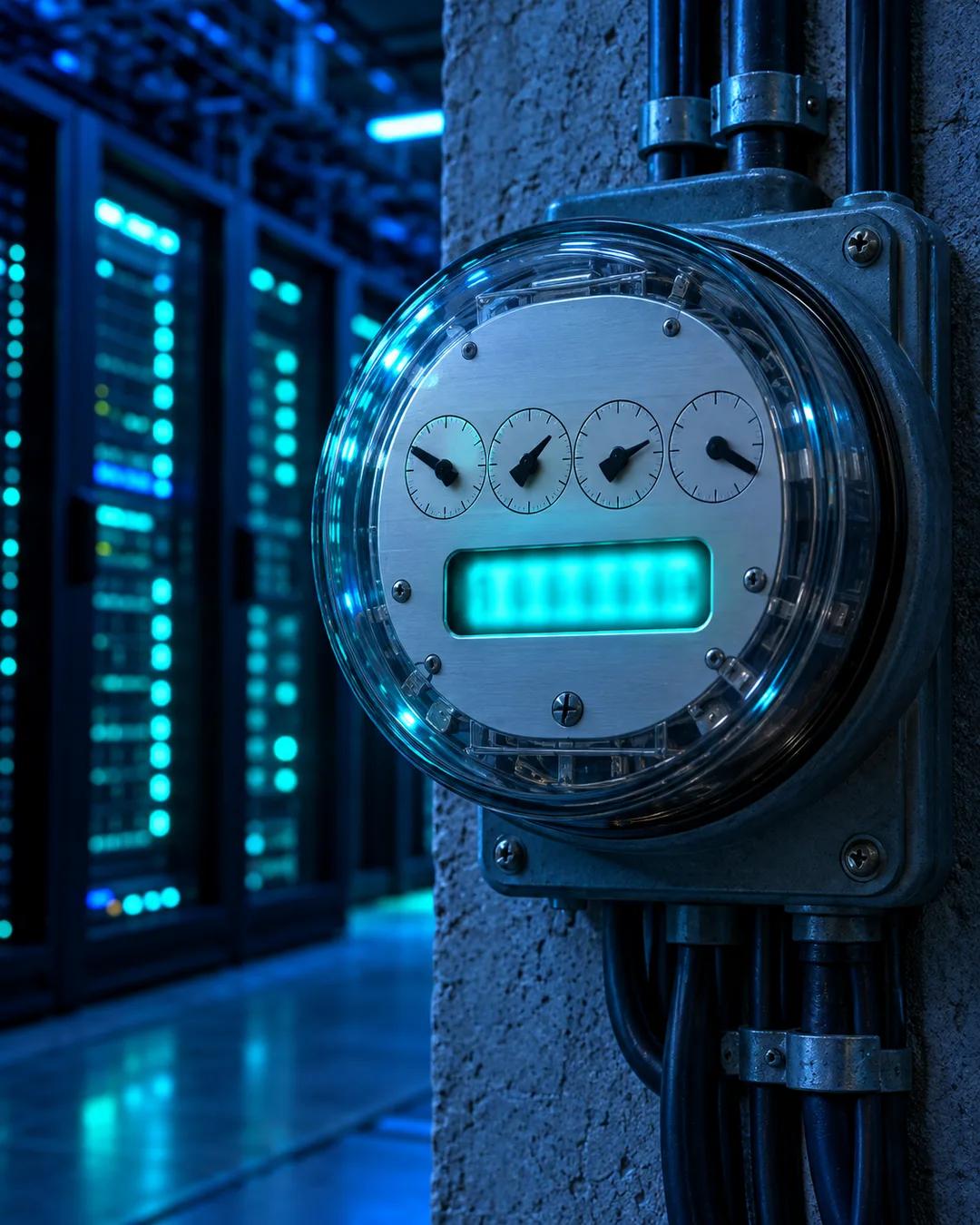
Uber also routes tasks to different models, chooses different models for different levels of employees, and publishes a cost leaderboard next to an AI usage leaderboard. Visibility on usage and cost makes people more aware, much like a counter in the corner of a tool showing what the work costs. The latest model from Anthropic or OpenAI is wasted on asking who the president was in 1945 and then running it again for the next five presidents.
Why does AI usage outrun budget forecasts?
Economist William Stanley Jevons observed in his 1865 book The Coal Question that more efficient steam engines led Britain to burn more coal, not less. When a resource gets cheaper or easier to use, total use can rise. This pattern is now called the Jevons paradox. Cheaper and more capable AI tools tend to invite more tasks and more users.
How do companies route tasks to cheaper AI models?
In model routing, a small and inexpensive model handles simple requests, and only harder ones go to a larger model. AI providers charge per token, and larger models cost several times more per token than smaller models in the same family. Anthropic's Claude family, for example, comes in Haiku, Sonnet, and Opus sizes.
Why do cost counters change how people behave?
Studies of household electricity feedback show that seeing usage in real time reduces consumption. A 2006 review by Sarah Darby of Oxford University's Environmental Change Institute put savings from direct feedback at roughly 5 to 15 percent. Prepaid meters and in-home displays were among the devices studied.
More from The Twenty Minute VC (20VC): Venture Capital | Startup Funding | The Pitch