Korva is a scroll of the internet’s best ideas.
Popular kids liked the most people
The high school study
The researcher looked at everything he could think of: athleticism, grades, attractiveness, humor. He ran the study across a variety of high schools and grades. Only one pattern showed up everywhere, and it was the length of each kid's list of people they liked.
The hallway habit
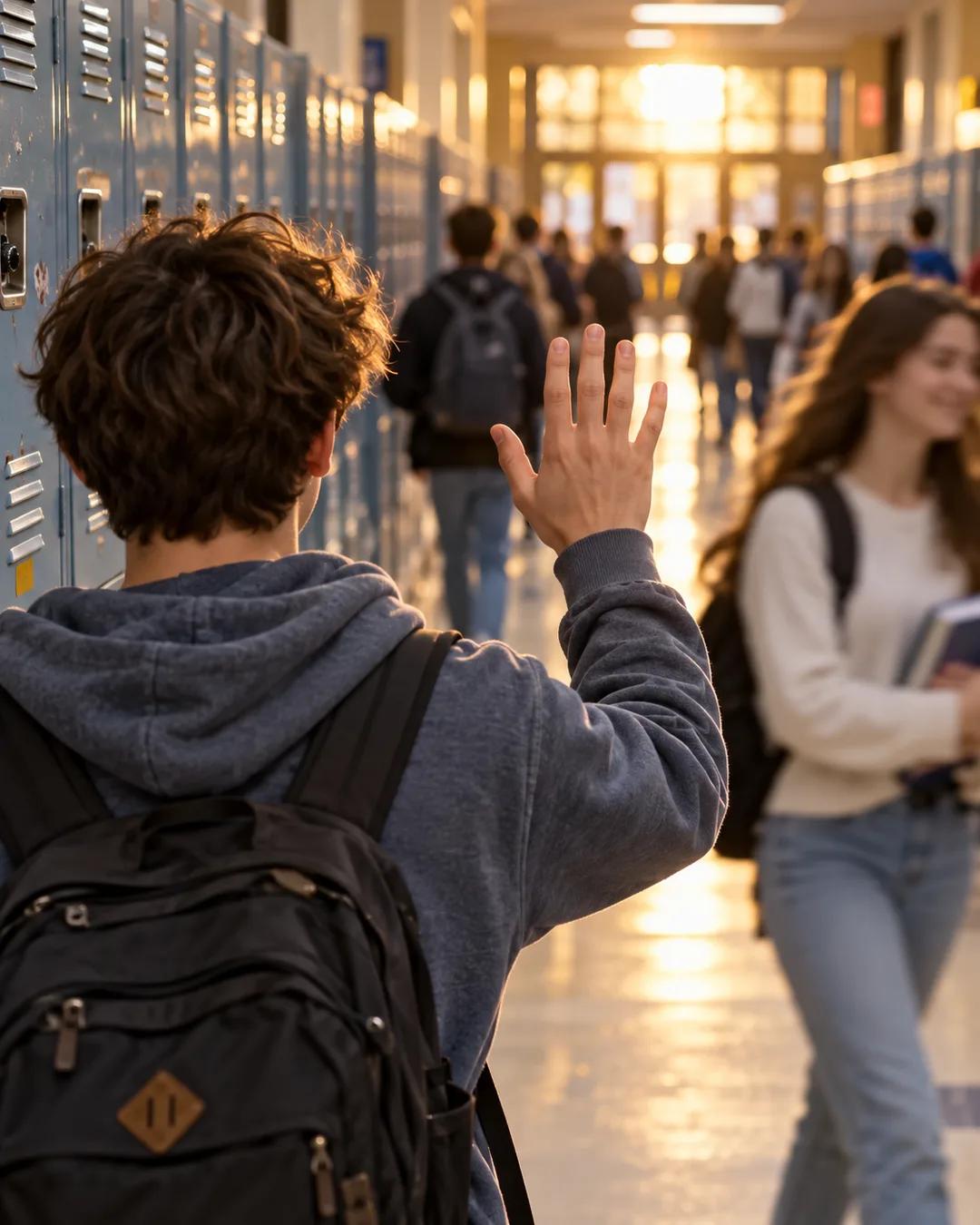
In the hallways, those kids weren't holding hours-long conversations in the cafeteria or checking in on everyone all the time. They acknowledged every single person they passed, usually by name. A quick hello with a name attached was the whole move.
Why liking works
That puts likability in the hands of the person doing the liking. Finding real reasons to like more people makes someone easier to like, and the micro-moments in a hallway are enough to do it. Adults tend to play it cool and hold back from showing they like someone, which leaves those moments unused.
Why do people like those who like them?
Social psychologists call it reciprocal liking: people tend to warm to those they believe like them. A 2018 paper in Psychological Science by Erika Boothby and colleagues found that after conversations, people underestimated how much their partners liked them, a pattern called the liking gap. The gap appeared in conversations between strangers. Among new college roommates it persisted for months.
Why does hearing your own name get attention?
In 1953 the British researcher Colin Cherry studied how people follow one voice among several, a puzzle that became known as the cocktail party problem. A person's own name carries personal relevance, and it can break through even when attention is elsewhere. In 1959 Neville Moray found that about a third of listeners noticed their own name in a message they had been told to ignore.
More from The Mel Robbins Podcast