Korva is a scroll of the internet’s best ideas.
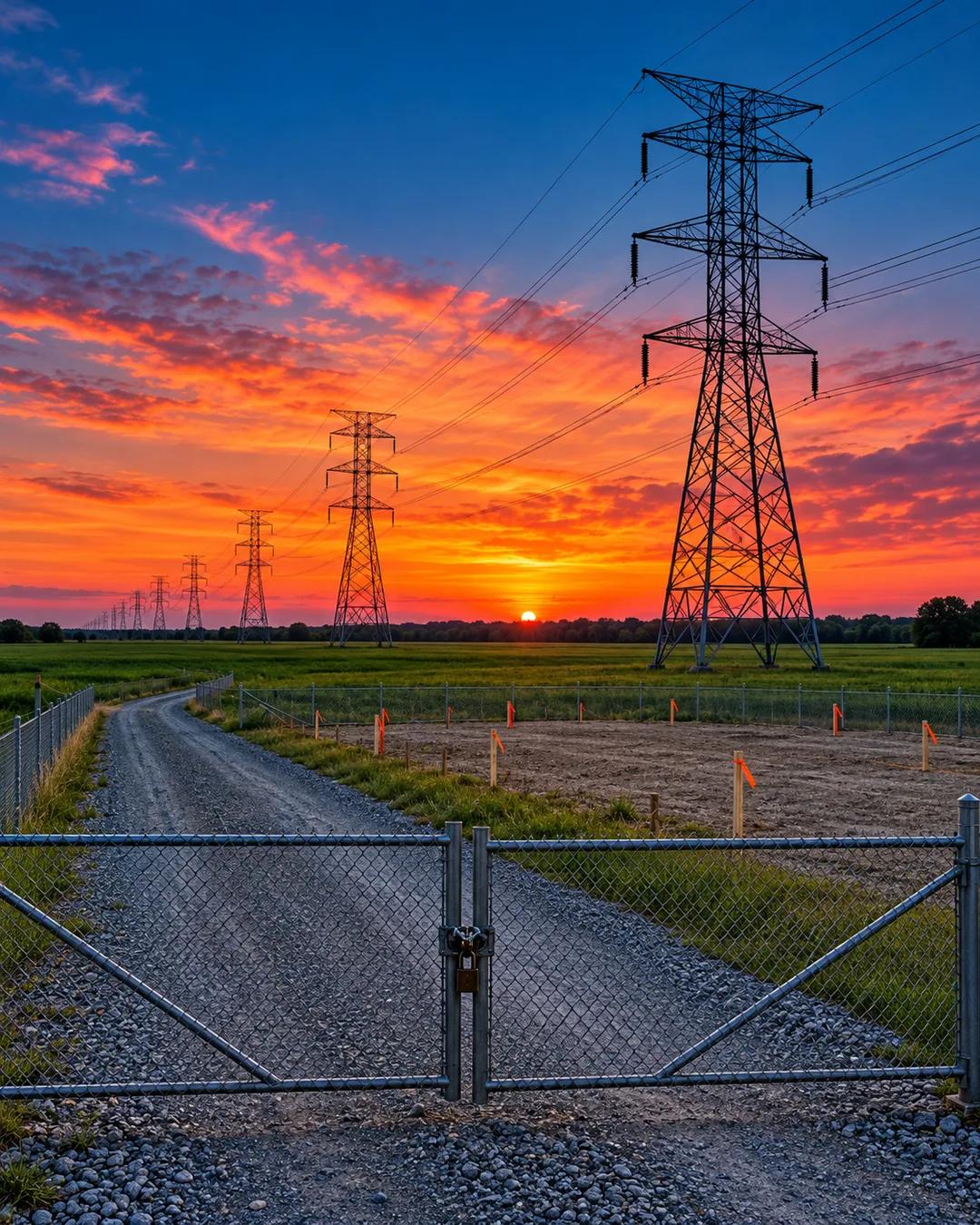
Power is waiting on public buy-in

The Timeline
One hyperscaler's head of infrastructure found nothing that would move the needle at sufficient scale before 2030, and planners are already thinking about 2032. Where to get enough natural gas is an open question. Technology and capitalism aren't what is holding it up.
The Permission Problem
The obstacle sits with permission. Building data centers in New York means convincing the people of New York that they should want data centers there. Making nuclear competitive as base load power means convincing people it is safe and then allowing enough small modular reactors to be built for the price to come down, since how that cost curve changes is understood in theory.
The Speed of Building
Physical building has its own speed limit. The tacit knowledge, labor, and raw materials needed to build things can't move as fast as software or decision-making, so the way through is to invest in it.
Why do small reactors get cheaper over time?
Wright's law, first described by aeronautical engineer Theodore Wright in 1936, says costs fall by a steady percentage each time total production doubles. Small modular reactors are meant to be built in factories in repeated units, which fits that pattern. Studies of technology costs by researchers at the Santa Fe Institute and Oxford found that Wright's law fits the price history of solar modules well. Large reactors built one at a time on site offer far fewer chances to learn.
Why do AI data centers strain the grid?
A rack of AI chips draws far more electricity than a traditional server rack, since GPUs pack enormous computing power into a small space. Racks of older servers commonly used about five to ten kilowatts, while AI racks can draw many times that. A single large campus can need as much power as a small city. Utilities must then build generation and transmission to match, which takes years.
Why does connecting new power take so long?
Each new power plant must study its effect on the grid before it can connect, and those requests wait in an interconnection queue. Lawrence Berkeley National Laboratory counted roughly 2,600 gigawatts of generation and storage waiting in US queues at the end of 2023, about double the country's installed generating capacity. Projects that came online in 2023 had waited a median of about five years from request to operation.
More from Invest Like the Best with Patrick O'Shaughnessy