Korva is a scroll of the internet’s best ideas.
Practice in public

Playing anywhere
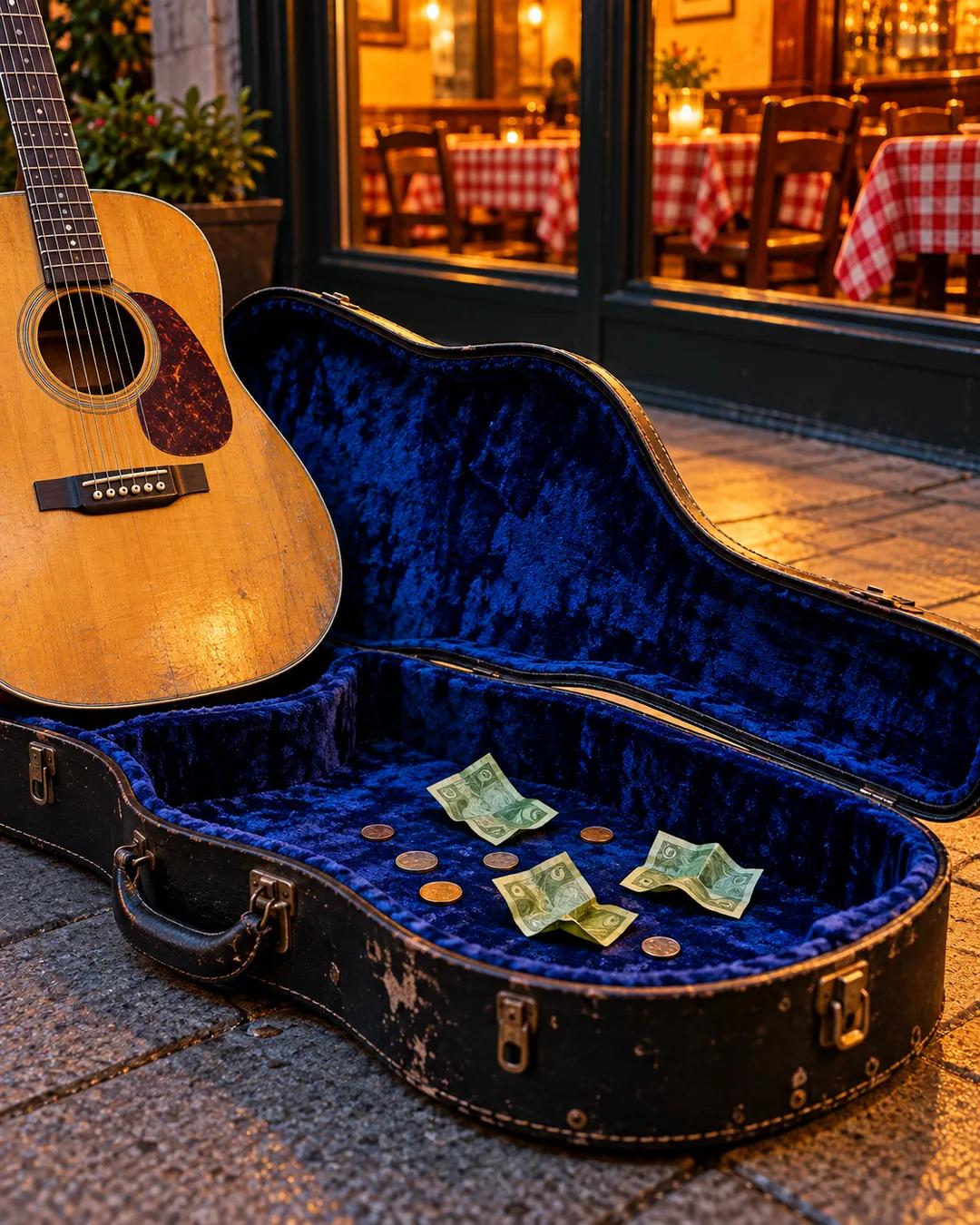
Dylan could never sit in a room and play by himself. He needed audiences, so he played on the street, in coffee houses, for one person, for no people, and for a hundred. Years before he would sell 125 million records, he was making $3 to $5 a gig at coffee houses and pizza parlors, and he fell asleep most nights with his guitar in his hands.
The New York dens
New York paid little better. The dens where he played were dark, dingy, and chaotic, no talent scouts ever came, and playing every joint on a weekend from dusk until dawn might bring in $20. He also watched the other musicians so closely that he could perform any of their songs just like them, with the same tone and tempo.
The measuring stick
Every audience doubled as a measuring stick. In record store booths and friends' living rooms he had been relatively isolated, with no way to tell how he stacked up, and a few crowded blocks of New York showed him. Plenty of players around him were better musicians, but his repertoire of hardcore folk songs was more formidable than theirs, and nobody was close in nature to what he was doing.
Why does feedback matter for improving a skill?
Psychologist Anders Ericsson studied how experts in music, chess, and sports improve, and his 1993 paper on deliberate practice became the best-known result. He found that top performers work on specific weaknesses and get immediate feedback on how they did. A live audience supplies a rougher version of that feedback, through attention, silence, and applause. Ericsson's work was later popularized in the 2016 book Peak.
How did the folk revival find its songs?
Many revival singers learned from Harry Smith's Anthology of American Folk Music, a set of 84 commercial recordings from 1927 to 1932 that Folkways Records issued in 1952. The collection gathered ballads, blues, and hymns from rural performers. Young musicians studied the records note for note and traded songs in coffeehouses and living rooms. Smith's set is credited with helping spark the revival of the late 1950s and early 1960s.
How did Minneapolis shape Dylan's early playing?
Dinkytown, the neighborhood beside the University of Minnesota in Minneapolis, had several small coffeehouses in the late 1950s. Performers there usually worked for tips or a small fee. Dylan played at places like the Ten O'Clock Scholar around 1959 and 1960. He left Minneapolis for New York in the winter of 1960 to 1961.
More from Founders