Korva is a scroll of the internet’s best ideas.
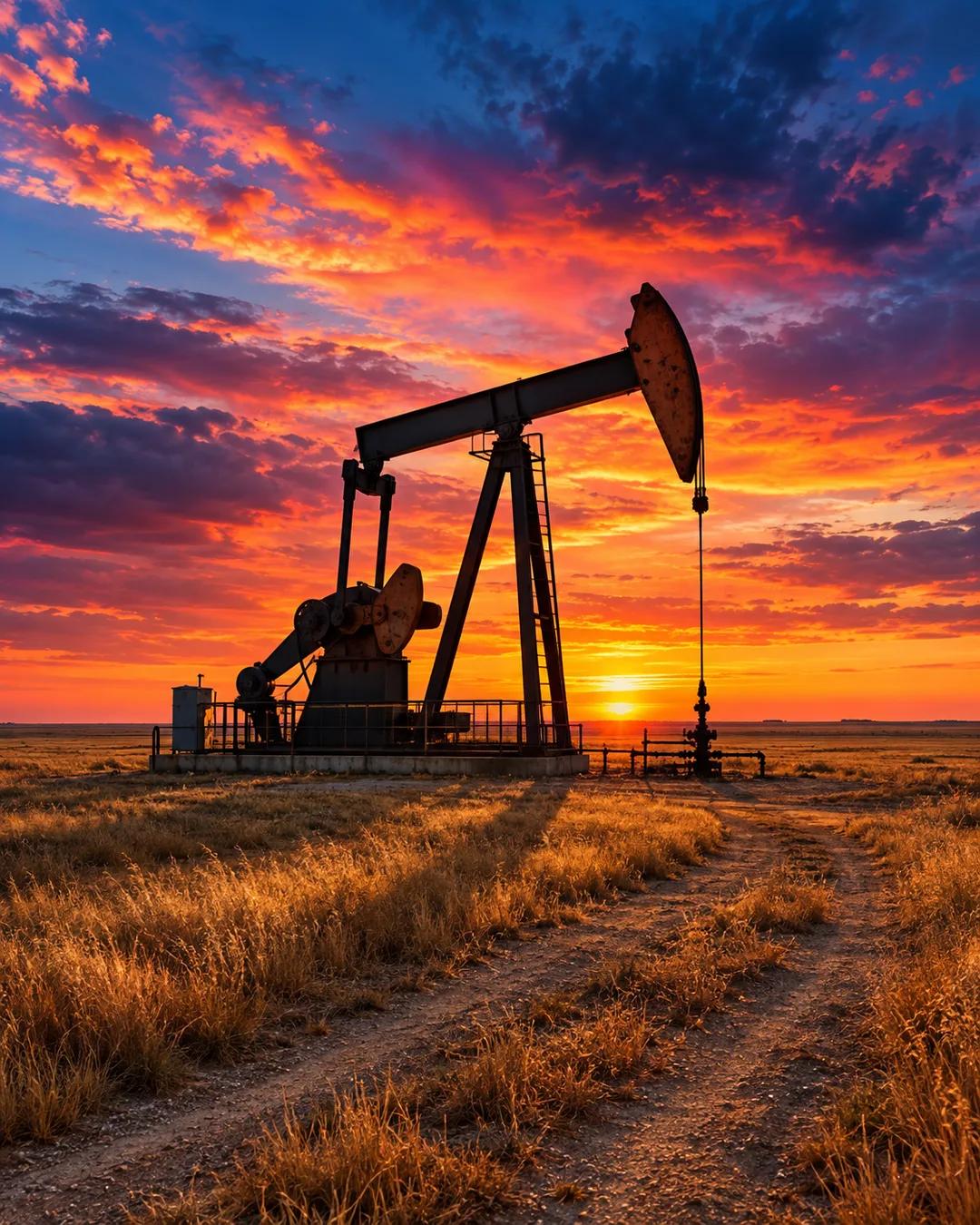
Private equity pay came from oil

Oil and gas roots
At first, the founders couldn't raise the money and couldn't figure out how to do it. Henry grew up in Oklahoma, where oil and gas deals followed a simple structure: put in a quarter of the money and get a third of the profits. When he and George left Bear Stearns to start their own venture, they decided to take that structure with them.
The two and twenty model
That structure became the entire private equity compensation model. The two and twenty that has persisted all this time was something they made up, borrowed from oil and gas, and carried forward with confidence.
KKR's growth
The same adaptability shows up in what KKR became. It started as a private equity firm and now has real estate, infrastructure, and credit businesses, an investment bank, an insurance company, and a giant balance sheet. The founders were already multi-billionaires when they made that shift.
Where did carried interest come from?
In oil and gas, a carried interest means one party pays the drilling costs and the operator keeps a share of the well for managing the work. Sharing profits with a manager is older still: the commenda contracts of medieval Italian traders gave the travelling merchant a share of the profits for managing the cargo. In a typical private equity fund, the 'two' in two and twenty is a 2 percent annual management fee, and the 'twenty' is a 20 percent share of profits.
Why did oil deals give promoters extra share?
Many wells drilled in oil and gas come up dry, so investors who funded drilling accepted deals in which the operator who found and ran the prospect kept an outsized slice of the winners. The risk of dry holes was spread across investors, while the operator's expertise supplied the edge. That pattern of a promoter taking a share of the upside became standard in drilling partnerships through the twentieth century.
More from Joys of Compounding