Korva is a scroll of the internet’s best ideas.
Prizes are basically good luck

The Surprise
Jennifer Egan won the Pulitzer Prize for fiction, and it felt shocking, like the kind of thing that happens to other people. In a way it shouldn't have, since she had been a judge for the National Book Award and knew how prizes work.
Prizes and Luck
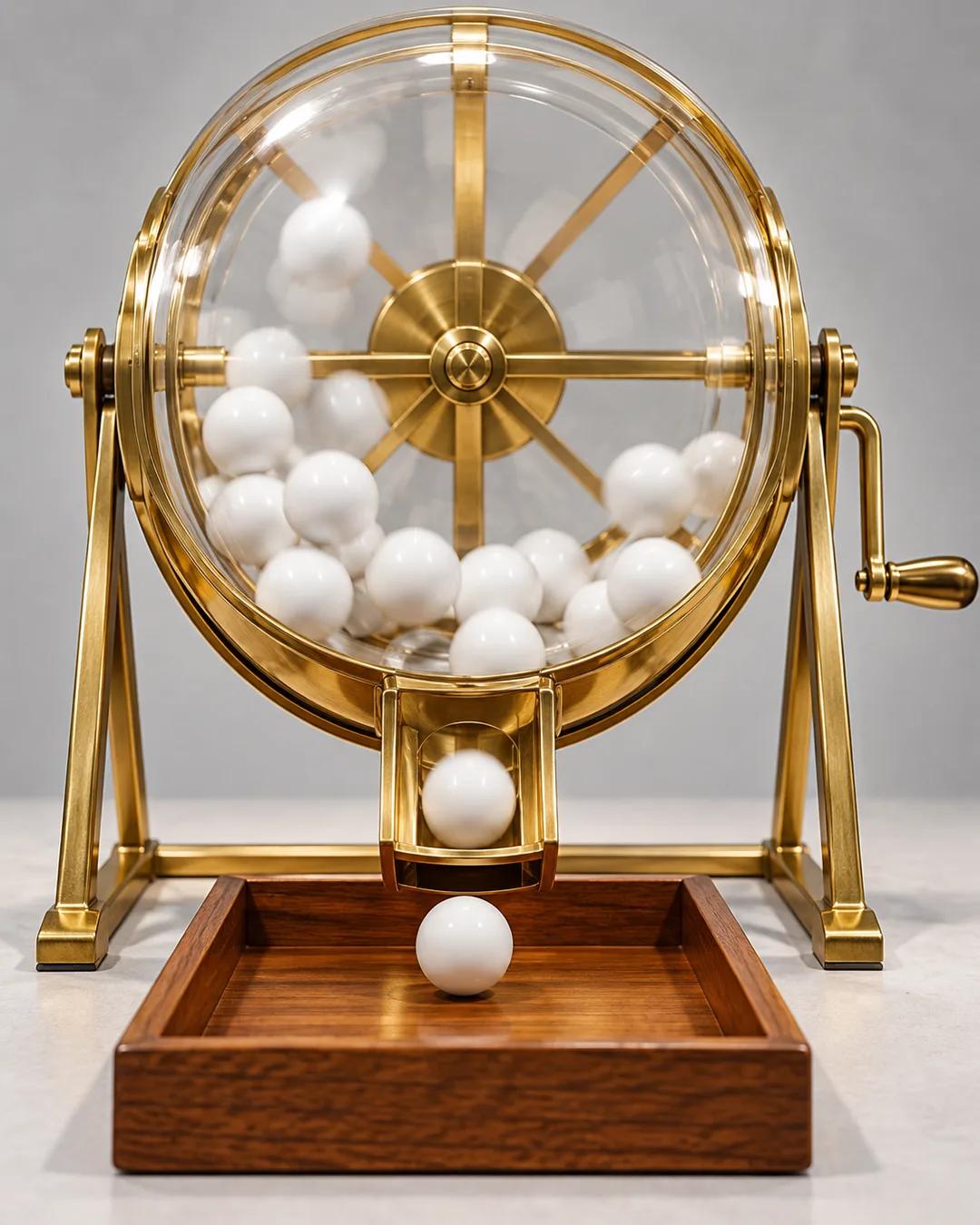
Prizes are basically good luck. You please the right small number of people, or you're the compromise choice. It's just people making choices. Once a prize is given, though, it takes on an iconic quality.
She assumed she would never win another and feels she has been very awarded and possibly overrewarded. On the merits, her work was good enough to be in the mix to get the luck, and she deserved to be in that pool, which is a big one.
How are Pulitzer winners chosen?
Joseph Pulitzer's will established the prizes, which are administered by Columbia University and were first awarded in 1917. For fiction, a jury reads the submissions and nominates three finalists. The Pulitzer Prize Board, which is made up of journalists, publishers, and academics, then votes on the winner. The board can also decline to name a winner in a category.
How can a compromise pick beat everyone's favorite?
Voting systems that add up rankings can favor a candidate nobody loves most but everyone accepts. The Borda count, devised by Jean-Charles de Borda in 1770, gives points for each rank, so a candidate placed second by nearly everyone can beat one that some voters rank first and others last. Economist Kenneth Arrow showed in 1951 that no ranked voting system can satisfy every reasonable fairness condition at once. His result won him the Nobel Memorial Prize in Economic Sciences in 1972, shared with John Hicks.
How does a prize change a book's reception?
A 2014 study in Administrative Science Quarterly by Balázs Kovács and Amanda Sharkey looked at books that won or were shortlisted for major prizes, including the Booker Prize. Winning raised sales and brought in a wider group of readers. Those readers rated the books lower on Goodreads, on average, than the earlier, more self-selected audience. The authors called the pattern the paradox of publicity.