Korva is a scroll of the internet’s best ideas.
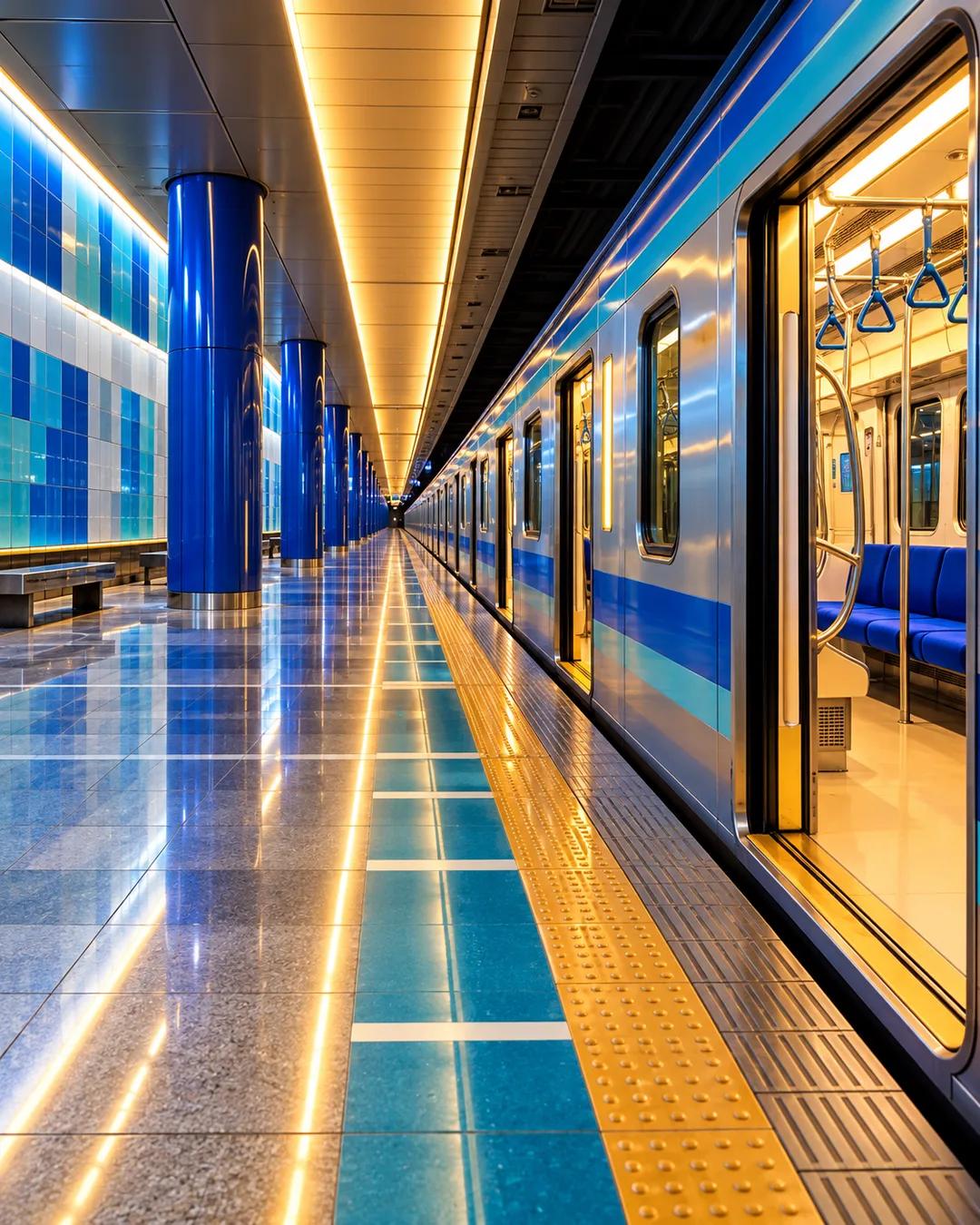
Public spaces kept like private ones

To many American ears, wanting a clean subway sounds like rich people's talk, since anyone with money can opt out for an Uber or a country club. In Japan the idea runs the other way: why shouldn't public things be nice, and why would anyone want to opt out? One way to show you care about society there is to be invested in the subway being clean.
The expectation runs deep. Japan is a democratic, pluralistic society with socialist underpinnings, where clean and safe parks, an education, and healthcare are treated as givens that nobody argues over. The infrastructure follows: roads without potholes, public transportation that takes you anywhere you need to go, and trains that run on time.
Why is Tokyo clean with so few bins?
Many Tokyo public trash cans were removed after the 1995 sarin attack on the subway, and residents largely carry their trash home. Japanese schools also have students clean their own classrooms and hallways every day, a practice called osoji. Cleaning duty is part of the school day for nearly every child. Japanese fans drew worldwide attention for tidying their stands after World Cup matches in 2014 and 2018.
How do Japanese trains run so on time?
JR Central has reported that the average delay of its Tokaido Shinkansen trains is well under a minute in typical years. Drivers and conductors use a pointing-and-calling routine, pointing at signals and speaking aloud, to cut errors. A study by Japan's Railway Technical Research Institute is often cited as finding that the routine reduced errors by roughly 85 percent. Railway operators also issue delay certificates, called chien shomeisho, that riders can show to employers or schools.
More from Search Engine